Federal Energy Regulatory Commission (FERC)
The Federal Energy Regulatory Commission is an independent agency that regulates the interstate transmission of electricity, natural gas and oil; reviews proposals to build LNG terminals and interstate natural gas pipelines; and licenses hydropower projects. FERC also oversees operations of regional wholesale electricity and natural gas markets and oversees the reliability of the bulk electric system.
Conventional capacity resources in MISO will now have to prove full deliverability before collecting maximum capacity credits, FERC said.

© RTO Insider
Stakeholders got a look at PJM’s initial response to FERC’s ruling this month on its expanded minimum offer price rule.
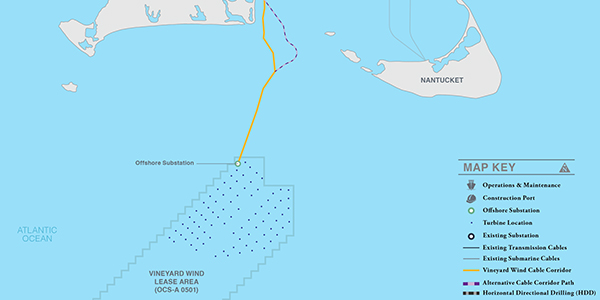
Vineyard Wind announced that it reached a transmission agreement with ISO-NE to deliver power to the RTO’s grid for its offshore wind project
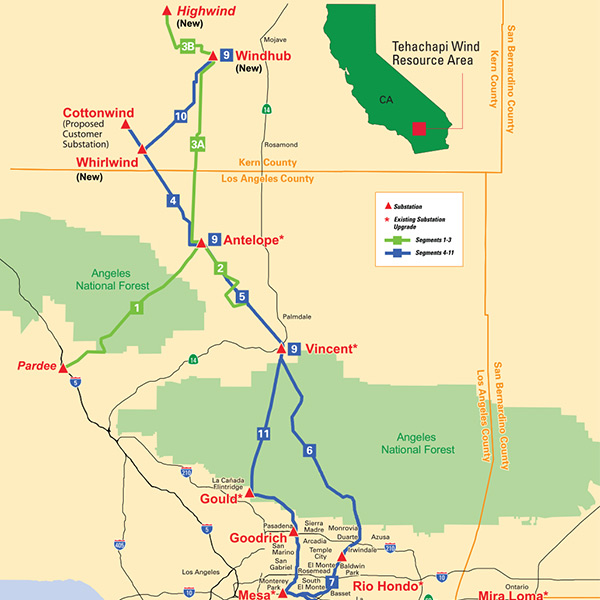
Can single-state transmission projects like California's Tehachapi and Texas’ CREZ serve as models for offshore wind on the East Coast?
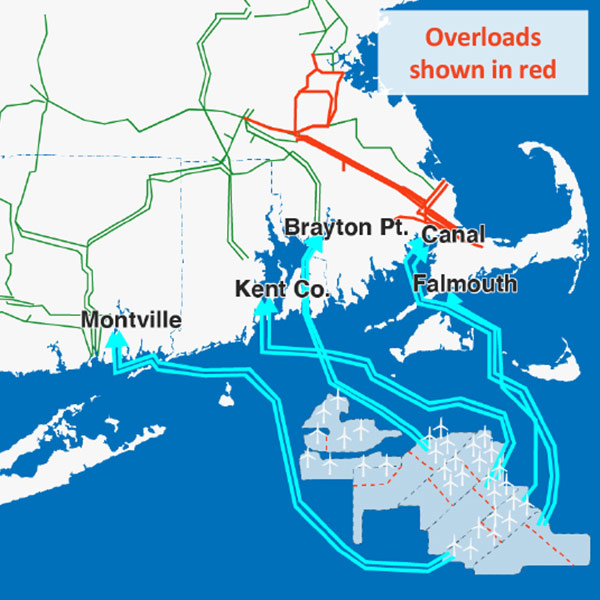
Efficient development of offshore wind transmission requires changes to planning, interconnection and cost allocation procedures.

MISO officials, stakeholders and academics discussed the challenges of operating a grid with increasing renewables and uncertainty.
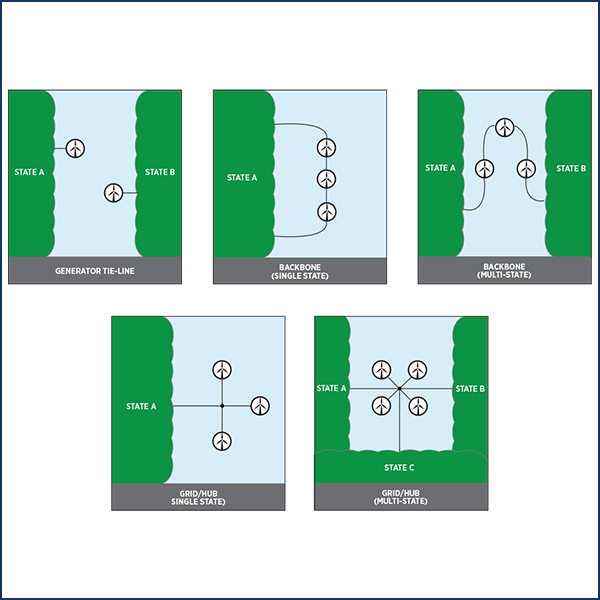
Offshore wind advocates are calling for changes to RTO transmission planning and cost allocation rules to reduce costs and development risks.

The Colorado PUC dismissed formal complaints filed against Tri-State G&T, saying it lacked legal jurisdiction to rule on the proceeding.

© RTO Insider
SPP staff are preparing to address critical comments on the grid operator’s revised WEIS Tariff as they work to keep the project on track.
FERC Commissioner Glick promotes cooporation between states, RTOs and FERC in moving toward renewable energy.
Want more? Advanced Search