Federal Energy Regulatory Commission (FERC)
The Federal Energy Regulatory Commission is an independent agency that regulates the interstate transmission of electricity, natural gas and oil; reviews proposals to build LNG terminals and interstate natural gas pipelines; and licenses hydropower projects. FERC also oversees operations of regional wholesale electricity and natural gas markets and oversees the reliability of the bulk electric system.
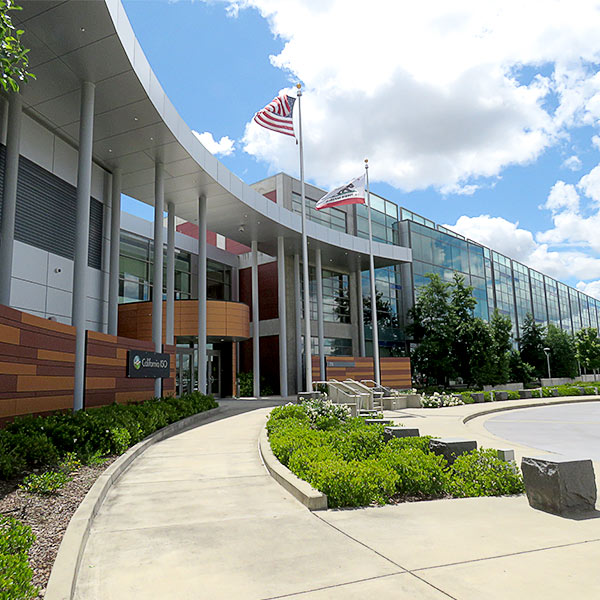
FERC approved CAISO’s procedure for distributing more than $2 million in penalty proceeds and nonrefundable interconnection study deposits to its members.
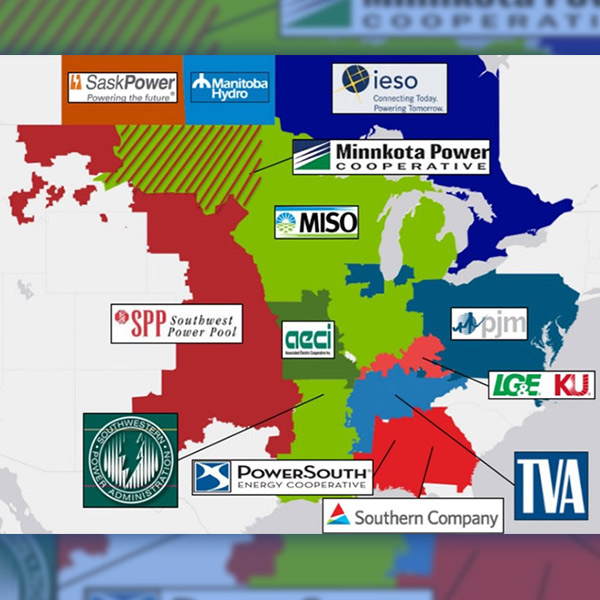
FERC reversed course and said MISO, SPP and PJM don’t have to rely on eachother’s dispatch assumptions to carry out an affected-system study.
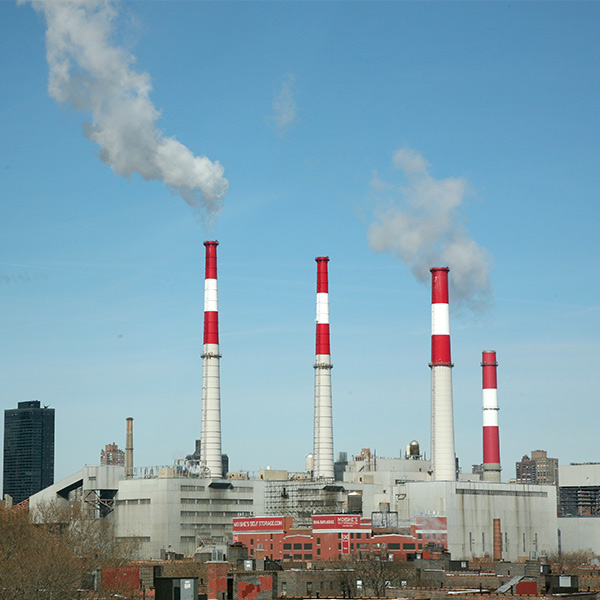
FERC invited states to introduce carbon pricing in wholesale markets but said it had no authority to initiate such programs itself.
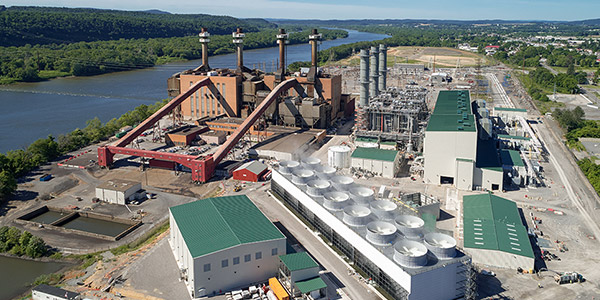
FERC approved LS Power’s acquisition of two generating facilities in PJM, rejecting the Independent Market Monitor’s request for behavioral mitigation.
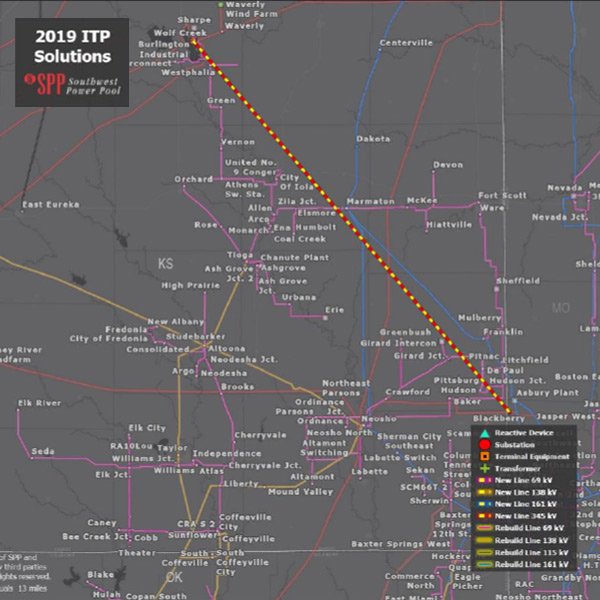
FERC approved a cost-and-usage agreement between SPP and AECI that could result in the RTO’s first competitive project under Order 1000.
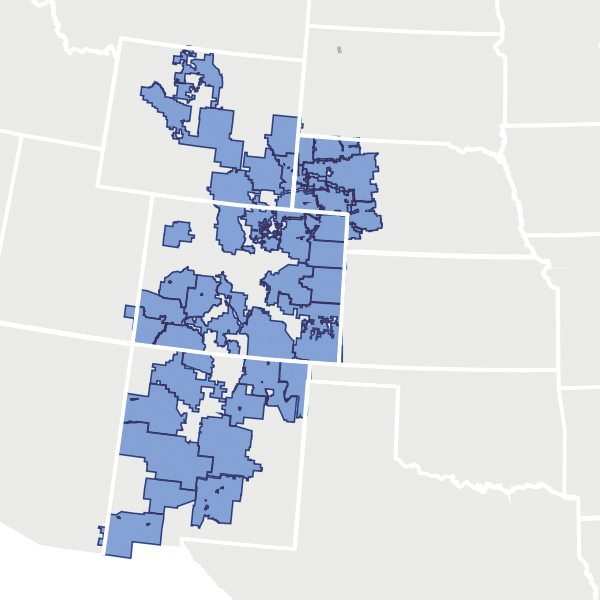
Tri-State G&T will cut rates 8% and give members more flexibility to provide their own power.
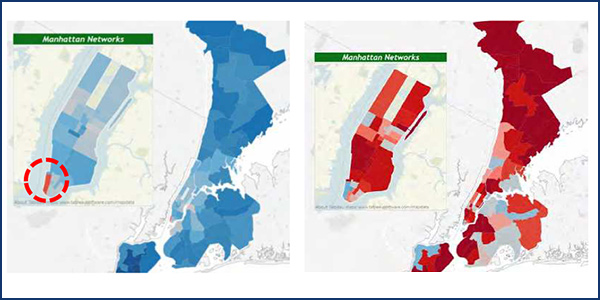
FERC ruled that some NYISO Demand Response programs are subject to mitigation; Commissioner Glick dissented.
An appeals court vacated FERC orders that threatened to force a jurisdictional standoff with the judge overseeing PG&E’s bankruptcy.
After years of using its own generator interconnection cost allocation method, ATC will transition to MISO’s after FERC gave the company its approval.

FERC rejected Gladstone New Energy’s complaint that Tri-State G&T’s generator interconnection procedures caused it to lose its queue position.
Want more? Advanced Search