Federal Energy Regulatory Commission (FERC)
The Federal Energy Regulatory Commission is an independent agency that regulates the interstate transmission of electricity, natural gas and oil; reviews proposals to build LNG terminals and interstate natural gas pipelines; and licenses hydropower projects. FERC also oversees operations of regional wholesale electricity and natural gas markets and oversees the reliability of the bulk electric system.
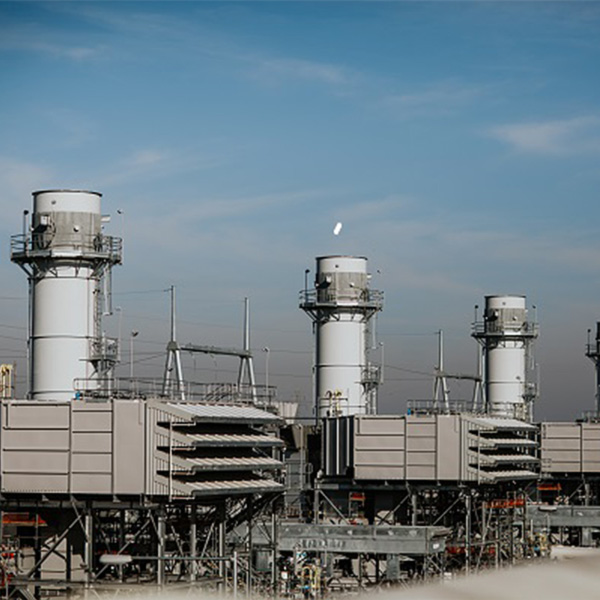
FERC accepted SPP Tariff revisions implementing recommendations from the RTO’s stakeholders on fast-start resources and ramping products.
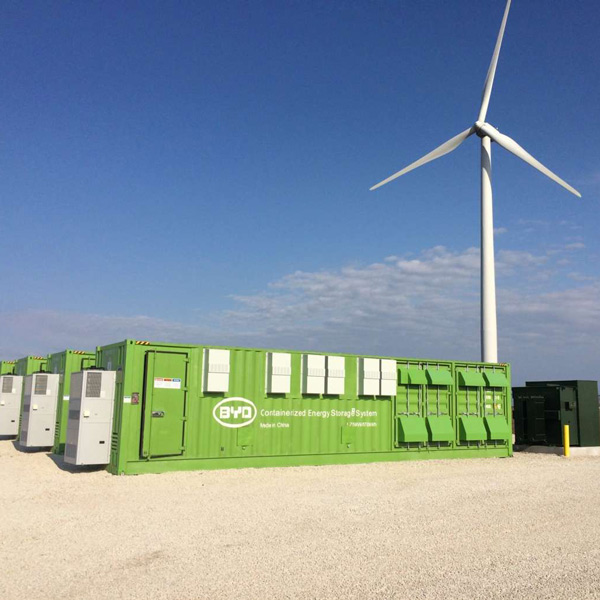
PJM, CAISO and SPP took a step closer to the full implementation of Order 841 with FERC’s partial acceptance of their Tariff revisions.
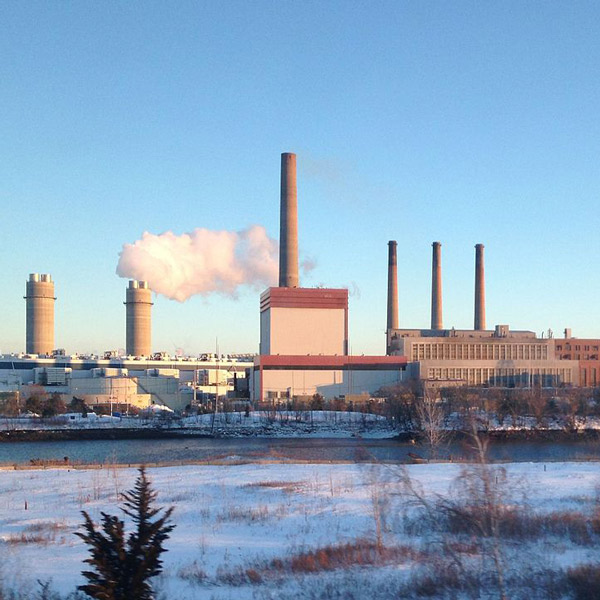
FERC clarified some aspects of its orders approving ISO-NE’s cost-of-service contract with Exelon’s Mystic Generating Station.
FERC approved MISO’s request for a one-time waiver giving market participants the opportunity to replace load-modifying resources affected by the pandemic.
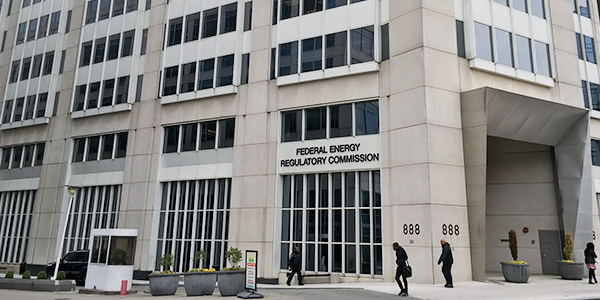
FERC revised how it enforces PURPA, giving state regulatory commissions more flexibility in how they establish avoided-cost rates for qualifying facilities.
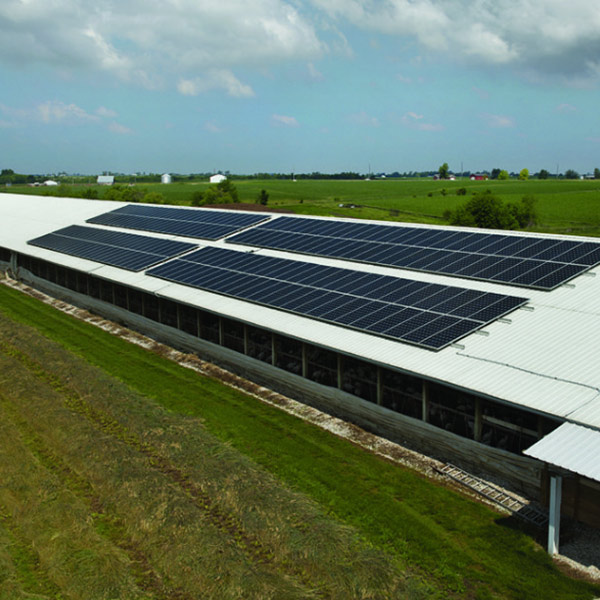
FERC rejected a request by a purported ratepayer group that could have ended net metering for rooftop solar generation.
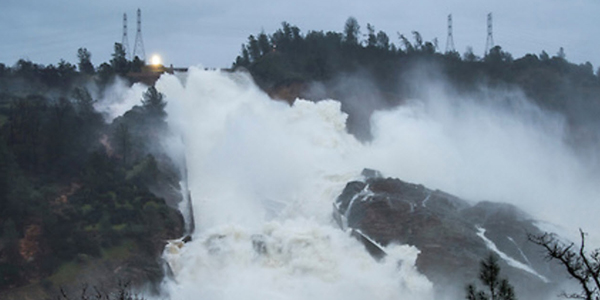
Responding to the 2017 Oroville Dam incident, FERC proposed tougher safety standards for commission-regulated hydropower projects.
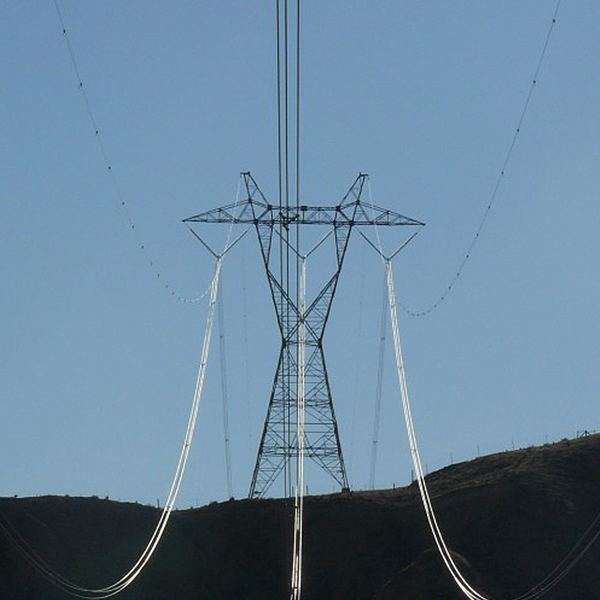
A summary of the numerous orders FERC issued at its July 16, 2020, open meeting.
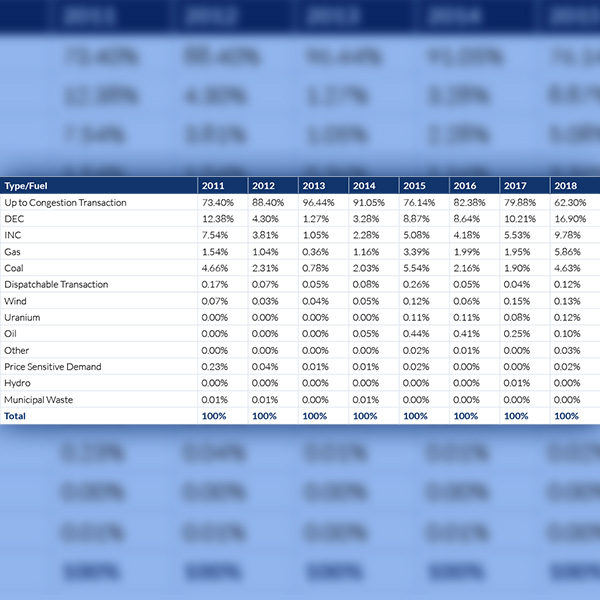
FERC ordered PJM to begin billing up-to-congestion transactions for uplift, calling the RTO’s current rules unjust and unreasonable.
Panelists expressed worry about regulatory uncertainty during a FERC technical conference on the COVID-19 pandemic’s impact on the industry.
Want more? Advanced Search