Federal Energy Regulatory Commission (FERC)
The Federal Energy Regulatory Commission is an independent agency that regulates the interstate transmission of electricity, natural gas and oil; reviews proposals to build LNG terminals and interstate natural gas pipelines; and licenses hydropower projects. FERC also oversees operations of regional wholesale electricity and natural gas markets and oversees the reliability of the bulk electric system.
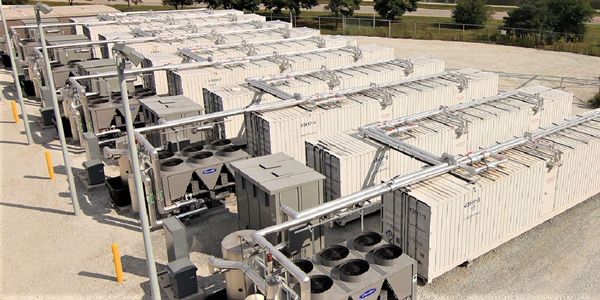
The D.C. Circuit upheld FERC Order 841, which bars states from preventing behind-the-meter energy storage from participation in wholesale markets.
The COVID-19 pandemic has added complexity to near-term electricity demand forecasting, but long-term impacts remain unclear, FERC commissioners heard.
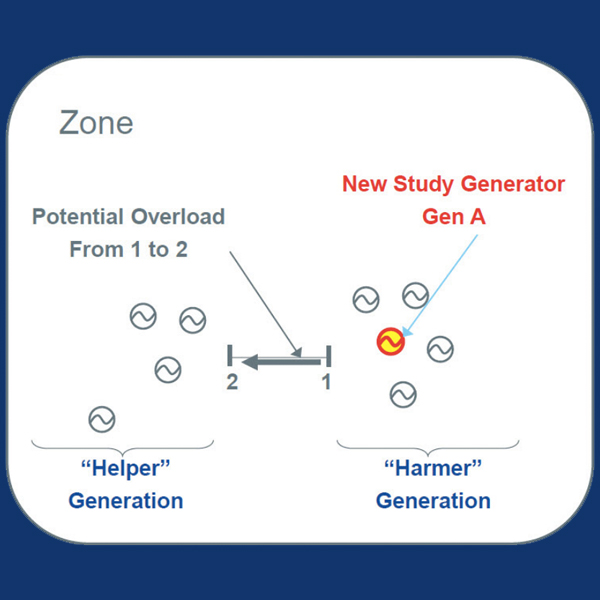
FERC established a paper hearing to explore the justness and reasonableness of ISO-NE’s new-entrant rules for its Forward Capacity Market.
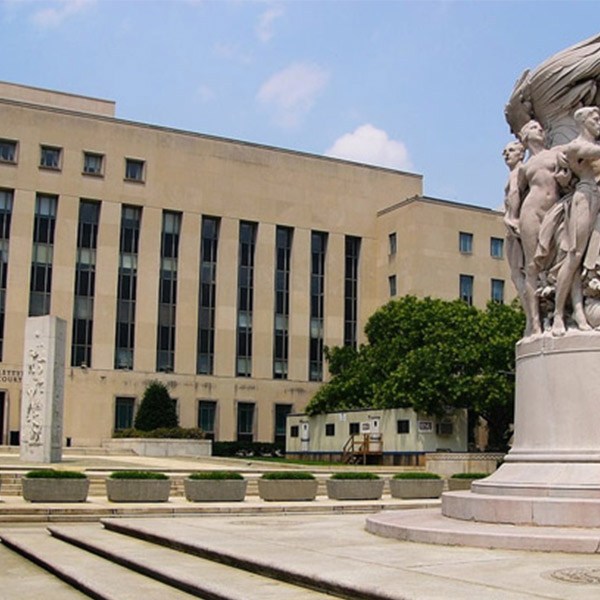
FERC has asked the D.C. Circuit to give it 90 days to respond to the court’s June 30 order barring the commission’s use of tolling orders.
FERC approved SPP’s proposal to eliminate revenue credits for sponsored transmission upgrades under Attachment Z2 and replace them with incremental long-term congestion rights.
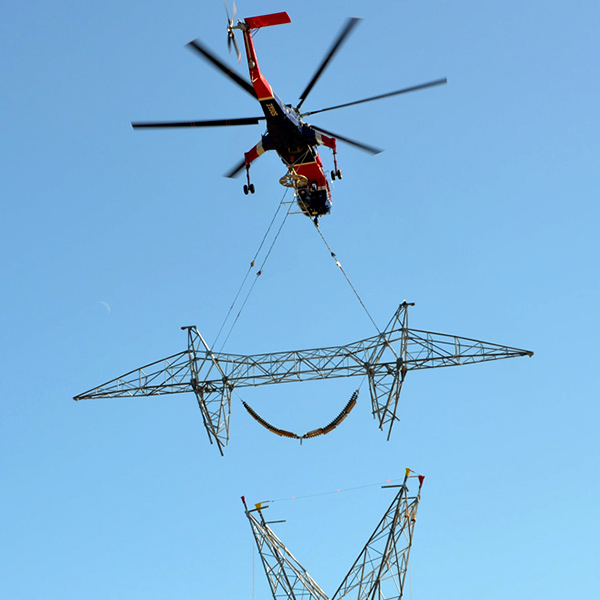
FERC’s proposed new approach to awarding transmission incentives drew some support but also generated much sticker shock among stakeholders.

The D.C. Circuit Court of Appeals ruled that FERC can no longer use tolling orders to delay judicial review of its rulings under the Natural Gas Act.
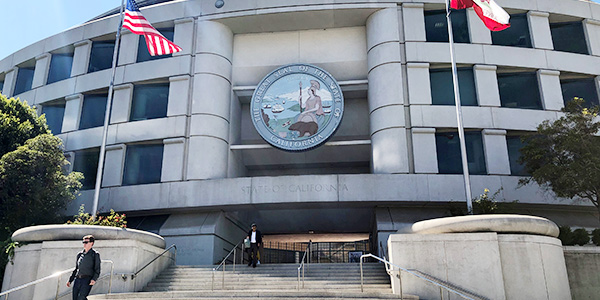
California Public Utilities Commission members criticized FERC’s proposal to double its transmission incentive adder and make the adders easier to get.
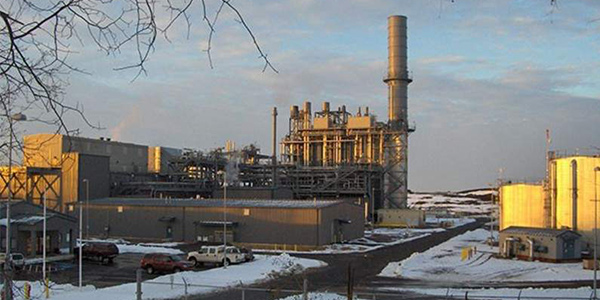
FERC approved the purchase of the Mankato natural gas plant in Minnesota by a specially created subsidiary of Southwest Generation.
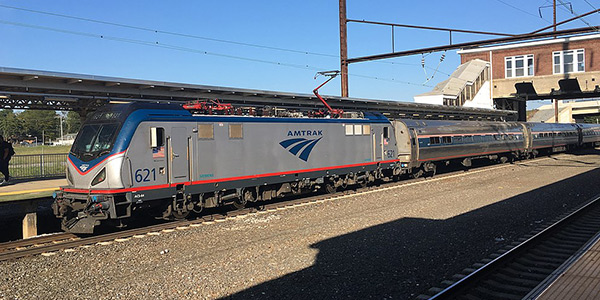
FERC denied a complaint by Amtrak challenging the transmission rates charged to the railroad company by PPL and seeking more than $12.5 million in refunds.
Want more? Advanced Search