Federal Energy Regulatory Commission (FERC)
The Federal Energy Regulatory Commission is an independent agency that regulates the interstate transmission of electricity, natural gas and oil; reviews proposals to build LNG terminals and interstate natural gas pipelines; and licenses hydropower projects. FERC also oversees operations of regional wholesale electricity and natural gas markets and oversees the reliability of the bulk electric system.
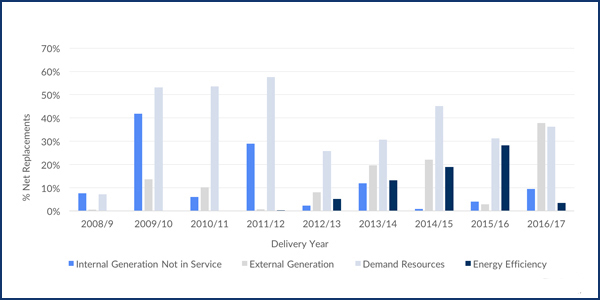
FERC denied rehearings on orders rejecting PJM’s efforts to stop capacity market participants from attempting to arbitrage between the BRA and Incremental Auctions.
MISO’s effort to implement a new cost allocation method for large transmission projects was dealt a blow when FERC rejected the plan for a second time.
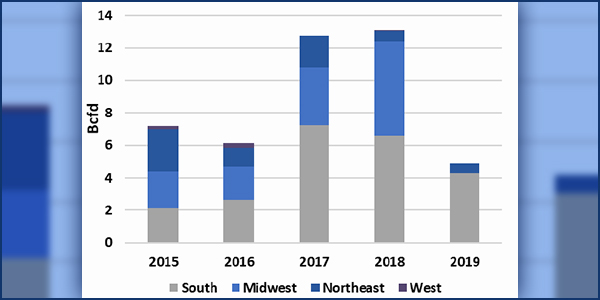
Lower natural gas prices and increased renewable penetration pushed wholesale power prices down sharply in most of the country last year.
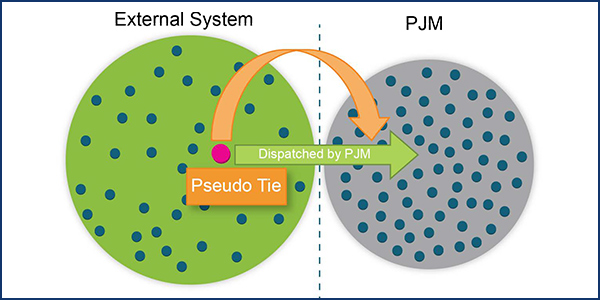
FERC rejected rehearing requests over the commission’s November 2017 order approving PJM’s tougher requirements for pseudo-tied generators.
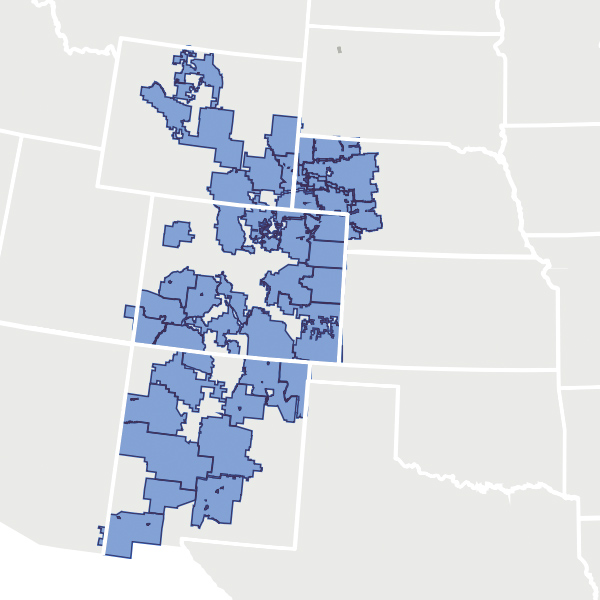
FERC accepted Tri-State's petition that recognizes the cooperative became jurisdictional to the commission when it added its first non-utility member.
FERC approved a new MISO Tariff provision that allows transmission owners to recover interconnection facility O&M costs from interconnection customers.
FERC accepted changes to the New England Transmission Owners’ interconnection study rules but ordered changes to the interconnection agreement.
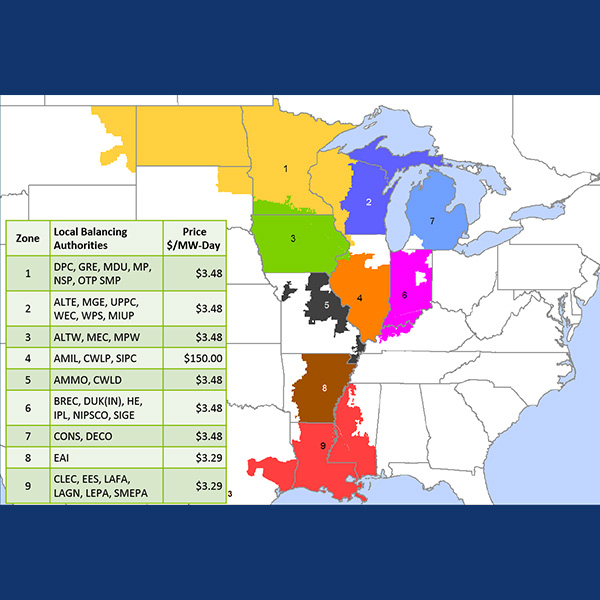
FERC denied what might be a final bid to recalibrate the results of MISO’s 2015/16 capacity auction, blocking Public Citizen’s request for rehearing.
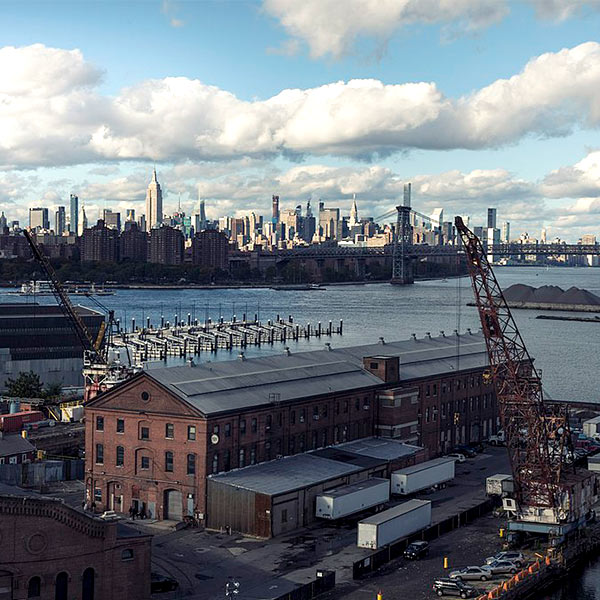
FERC on Thursday denied NYC Energy’s request for a limited waiver of NYISO interconnection rules for its 80-MW energy storage facility.
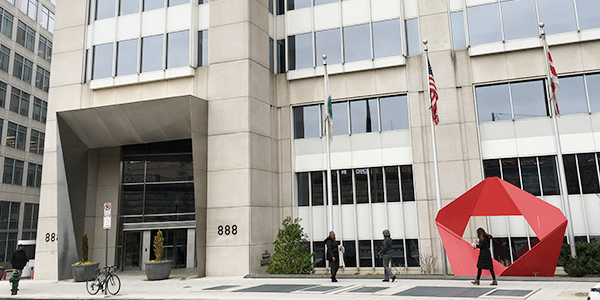
FERC Chairman Neil Chatterjee said the agency is relaxing some filing deadlines and deferring enforcement activities in response to the pandemic.
Want more? Advanced Search