Federal Energy Regulatory Commission (FERC)
The Federal Energy Regulatory Commission is an independent agency that regulates the interstate transmission of electricity, natural gas and oil; reviews proposals to build LNG terminals and interstate natural gas pipelines; and licenses hydropower projects. FERC also oversees operations of regional wholesale electricity and natural gas markets and oversees the reliability of the bulk electric system.
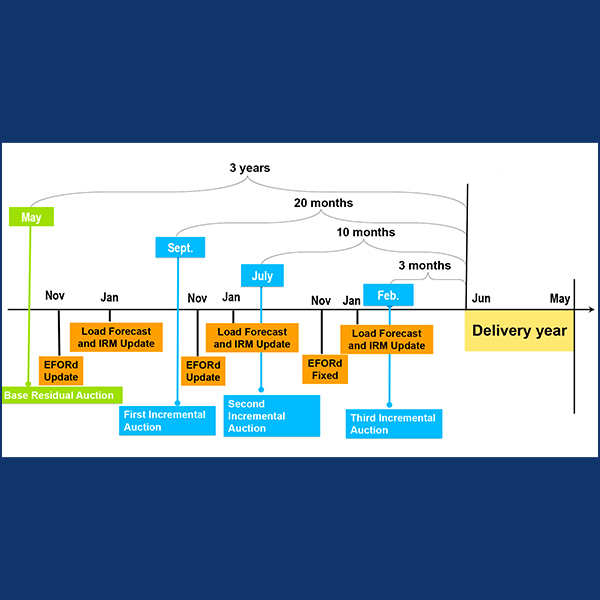
PJM may compress the schedule for the delayed 2022/23 Base Residual Auction and subsequent auctions in response to FERC’s order expanding the MOPR.
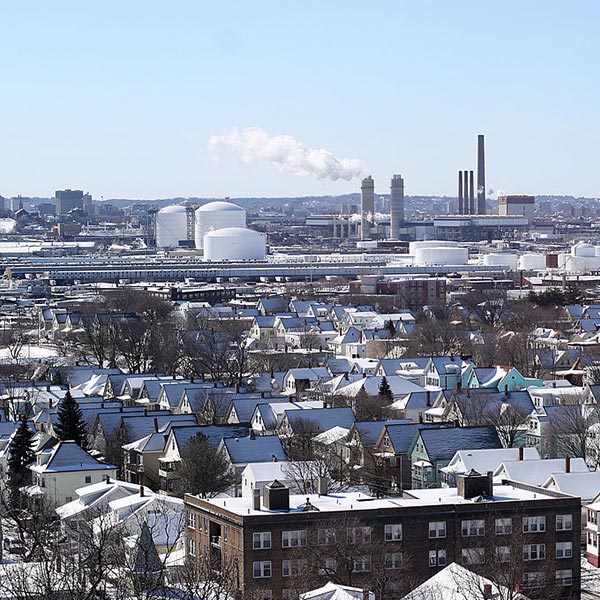
FERC rejected ISO-NE and NEPOOL's request to roll back the sunset date for a provision that allows the RTO to retain a resource for fuel security reasons.
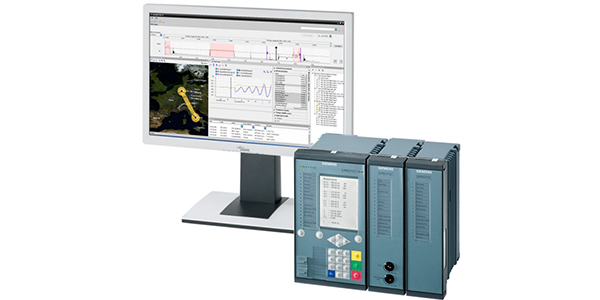
FERC accepted SPP’s proposed Tariff revision requiring the installation of phasor measurement units at new generator interconnections.
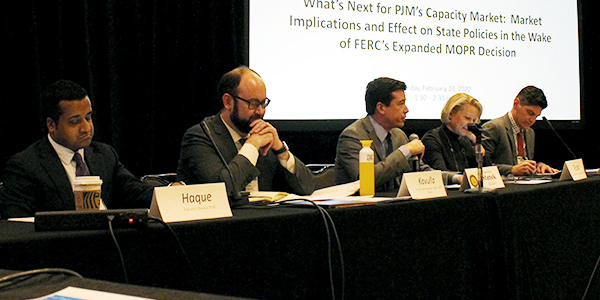
A top PJM official sought to quell concerns over an exodus from the RTO in response to FERC’s controversial order expanding the minimum offer price rule.
FERC denied CPower’s two waiver requests to allow its seven summer-only distributed solar demand capacity resources to participate in ISO-NE’s FCA 14.
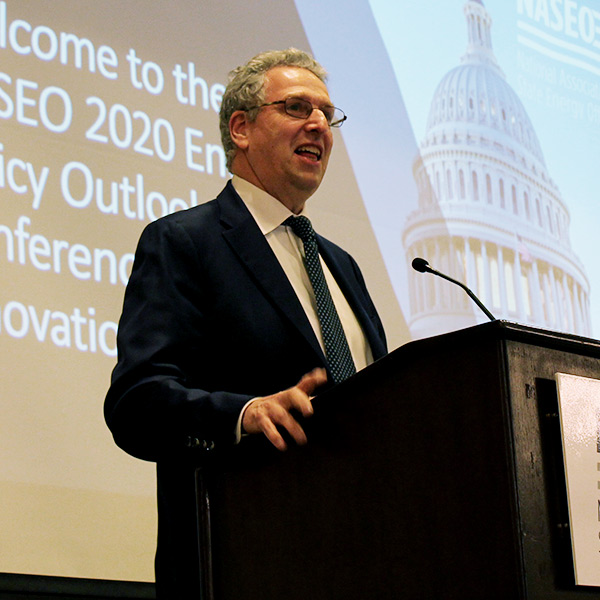
FERC Commissioner Richard Glick said he thinks the commission needs to revisit capacity markets or risk putting “in peril the future of RTOs in general.”
Consumer advocates, industrial customers and state regulators asked FERC to reject PJM transmission owners’ critical infrastructure mitigation plan.
MISO is wrapping up implementation of approved outage rules designed to dissuade capacity resources from taking long outages that could risk supply.
Transmission owner GridLiance Heartland has gained access to the MISO system through an acquisition of transmission lines in Illinois and Kentucky.
FERC will allow the Transmission Agency of Northern California to convert capacity on a line into “option” congestion revenue rights in the CAISO market.
Want more? Advanced Search