Federal Energy Regulatory Commission (FERC)
The Federal Energy Regulatory Commission is an independent agency that regulates the interstate transmission of electricity, natural gas and oil; reviews proposals to build LNG terminals and interstate natural gas pipelines; and licenses hydropower projects. FERC also oversees operations of regional wholesale electricity and natural gas markets and oversees the reliability of the bulk electric system.

FERC said it won’t reconsider NYISO’s decision to deny membership to the successor to a bankrupt energy service company.
FERC backtracked on several Tariff provisions it directed PJM to include in its implementation of a new cost allocation method for transmission projects.
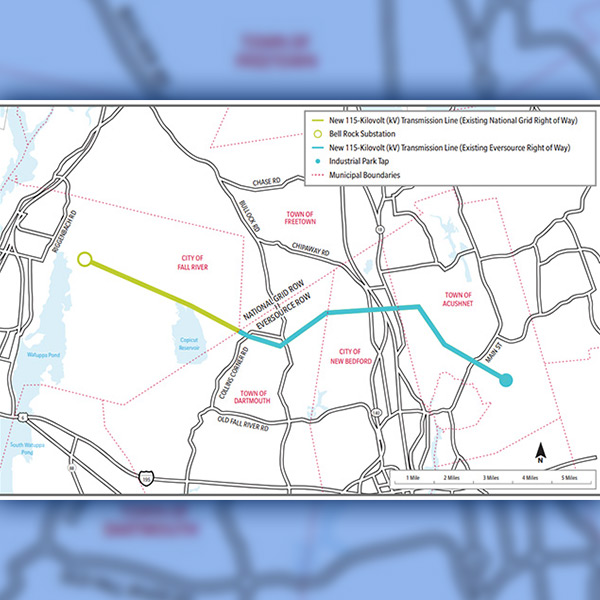
NEPOOL focused on how to apply transmission charges to a storage resource when it is charging for later resale and not providing a service.

Four Western utilities generally complied with FERC Order 845 but had shortcomings in several common areas, the commission found.
FERC approved a MISO proposal to once again allow transmission owners to provide initial funding for transmission upgrades needed for generation projects.
FERC denied a complaint from PJM’s Monitor that alleged the RTO erred when it decided against penalizing Tenaska over supposed fuel-cost policy violations.
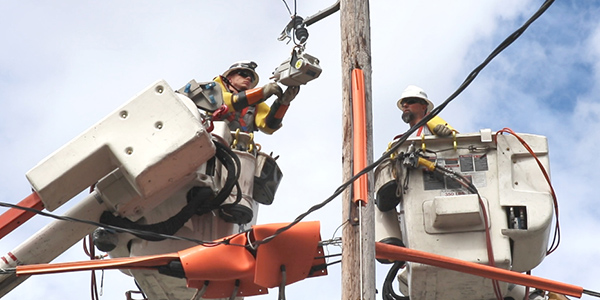
FERC conditionally accepted Jersey Central Power & Light’s proposed rate request, subject to refund following hearing and settlement judge procedures.
FERC directed MISO to submit another Order 845 to clear up its process related to technological advancements, service requests and contingent facilities.

FERC voted 2-1 to extend PJM’s MOPR to all new state-subsidized resources, saying it was needed to combat price suppression in the RTO’s capacity market.
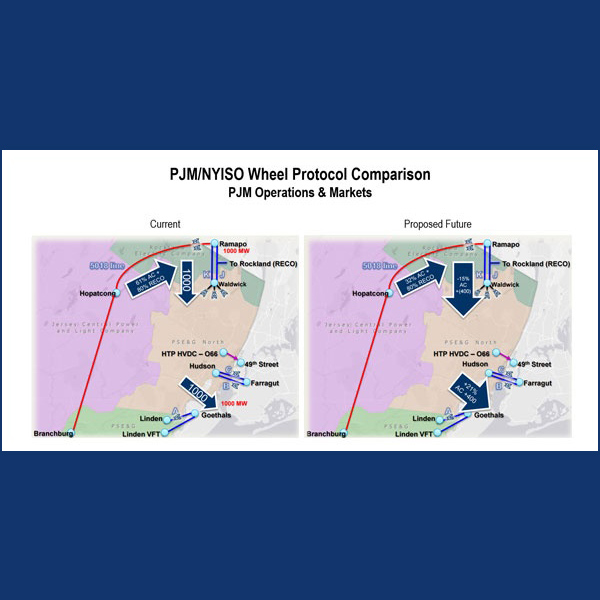
FERC rejected a request to rehear its ruling approving changes to the PJM-NYISO joint operating agreement reflecting a new operational plan for interfaces between New York and New Jersey.
Want more? Advanced Search