Federal Energy Regulatory Commission (FERC)
The Federal Energy Regulatory Commission is an independent agency that regulates the interstate transmission of electricity, natural gas and oil; reviews proposals to build LNG terminals and interstate natural gas pipelines; and licenses hydropower projects. FERC also oversees operations of regional wholesale electricity and natural gas markets and oversees the reliability of the bulk electric system.
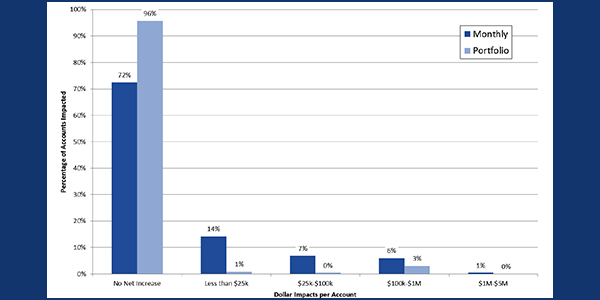
FERC denied a rehearing request of PJM’s mark-to-auction provision, which gives PJM leverage to secure collateral for declining portfolios in its FTR market.
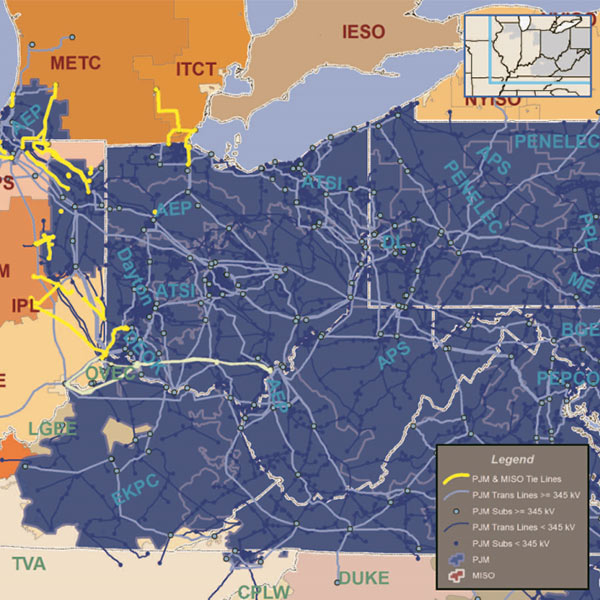
FERC rejected a trio of complaints from American Municipal Power over how MISO and PJM address their pseudo-tied generation.

PJM’s conference to discuss its $12.5 million settlement with two FTR firms produced neither protest nor complaint from any of the many stakeholders.

FERC denied a complaint that alleged PJM failed to disclose nearly $500,000 in political spending it purportedly financed with fees collected from rates.
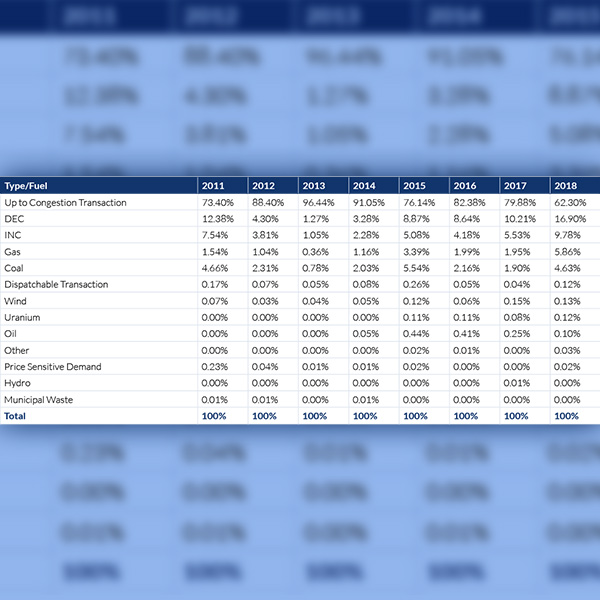
PJM must provide FERC with a refreshed briefing on whether the RTO still wants to charge uplift on all virtual trades in light of recent market changes.

The opening session of the Energy Bar Association's (EBA) Mid-Year Forum featured a debate over FERC's role in regulating carbon emissions.
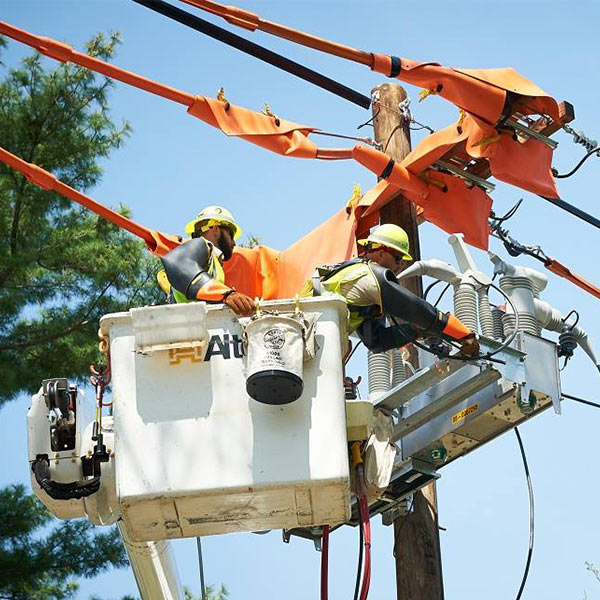
FERC again denied Southwestern Electric Cooperative’s multiple challenges to Ameren Illinois’ 2017 update to its transmission rate formula.
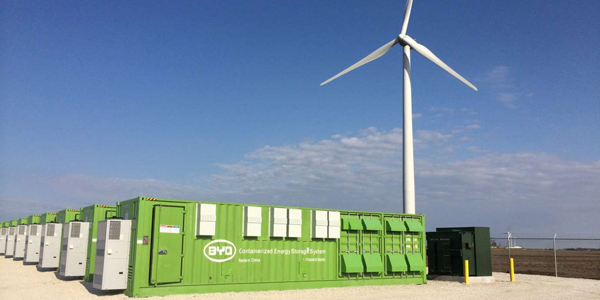
FERC issued orders implementing rulemaking to eliminate barriers to energy storage’s participation in electric markets, accepting PJM's and SPP's proposals.
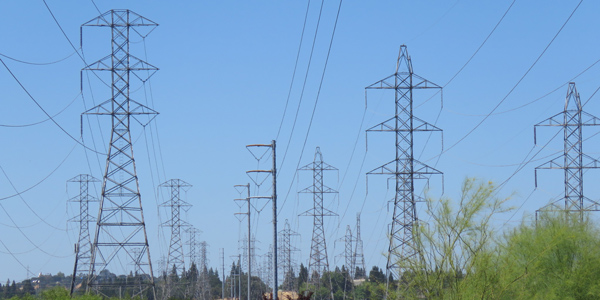
PJM, ISO-NE and SPP appear to be thwarting Order 1000’s intent to open transmission projects to competition by abusing the “immediate need” exemption.

FERC Chairman Neil Chatterjee emphatically denied that he is considering resigning from the commission by the end of the year, as was reported by POLITICO.
Want more? Advanced Search