Federal Energy Regulatory Commission (FERC)
The Federal Energy Regulatory Commission is an independent agency that regulates the interstate transmission of electricity, natural gas and oil; reviews proposals to build LNG terminals and interstate natural gas pipelines; and licenses hydropower projects. FERC also oversees operations of regional wholesale electricity and natural gas markets and oversees the reliability of the bulk electric system.
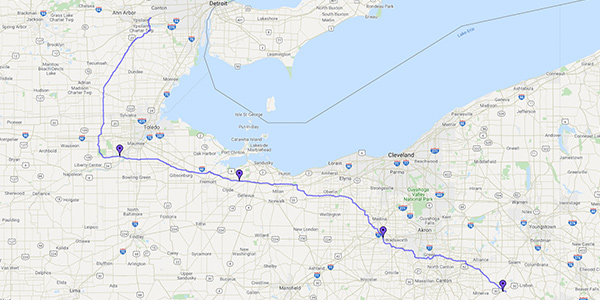
FERC failed to explain how it relied on natural gas exports in approving Nexus' gas pipeline in Ohio and Michigan, the D.C. Circuit Court of Appeals ruled.
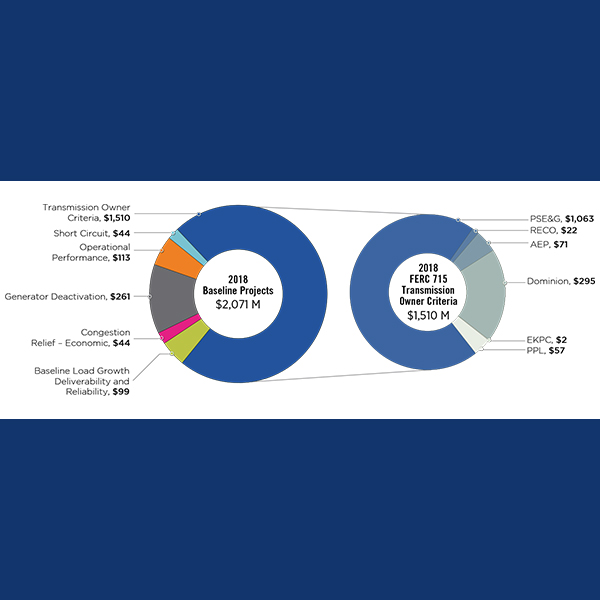
PJM must open Form 715 transmission projects to competitive bidding, with regional cost sharing involving high-voltage lines, FERC ordered.
Stakeholders reiterated the positions in their initial comments in FERC's inquiry into its transmission incentive policies as they rebutted each other.

FERC reaffirmed the authority of PJM’s Monitor to file complaints against the RTO over fuel-cost policies, dismissing concerns about conflicts of interest.
FERC granted ISO-NE another six months to file a long-term fuel security mechanism, the second extension since its original order last July.
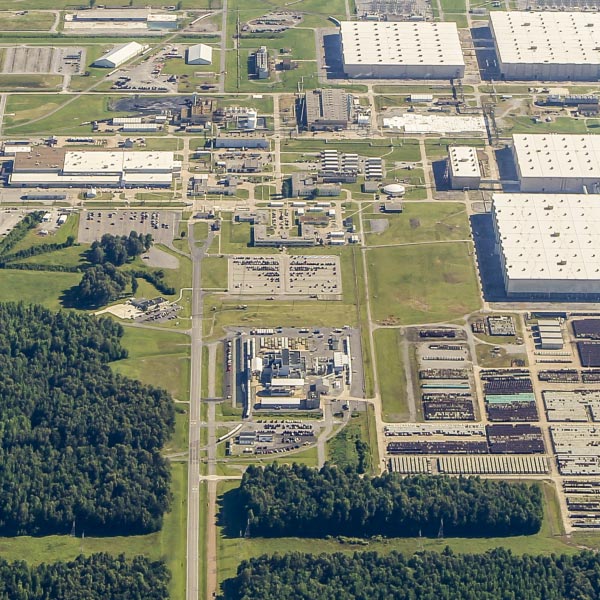
FERC halted GridLiance’s entry into the MISO markets by blocking its $11.7 million purchase of six transmission lines from a Vistra Energy subsidiary.
FERC dismissed a second request from Linden VFT to rehear its order denying reconsideration of cost allocations for PJM cross-seams projects with MISO.
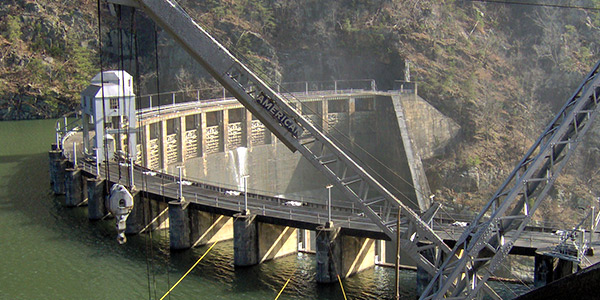
FERC ordered paper hearings in disputes over the criteria PJM used to reject several hydroelectric resources from pseudo-tying into the RTO’s grid.
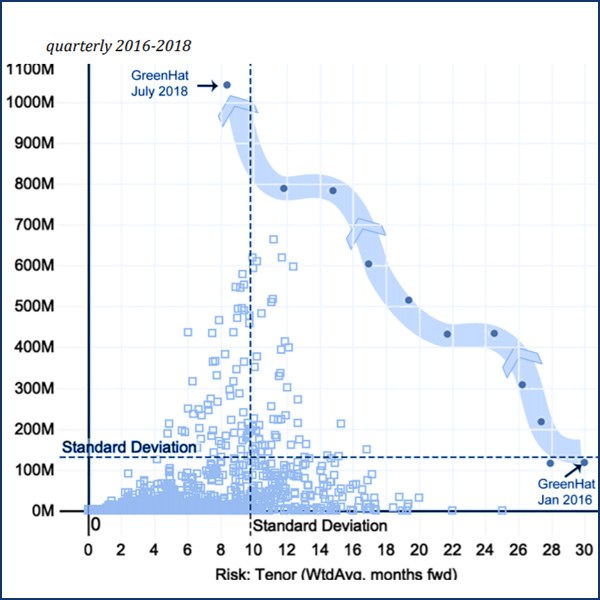
Shell Energy and Old Dominion Electric Cooperative failed to make their case that they belong at the GreenHat Energy settlement table, FERC ruled.
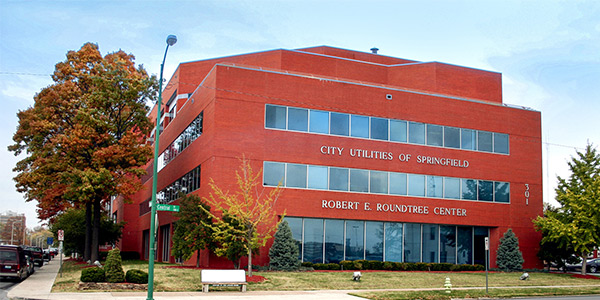
FERC denied City Utilities of Springfield’s complaint against SPP’s regional cost allocation reviews, saying it failed to show the process was unjust.
Want more? Advanced Search