Federal Energy Regulatory Commission (FERC)
The Federal Energy Regulatory Commission is an independent agency that regulates the interstate transmission of electricity, natural gas and oil; reviews proposals to build LNG terminals and interstate natural gas pipelines; and licenses hydropower projects. FERC also oversees operations of regional wholesale electricity and natural gas markets and oversees the reliability of the bulk electric system.
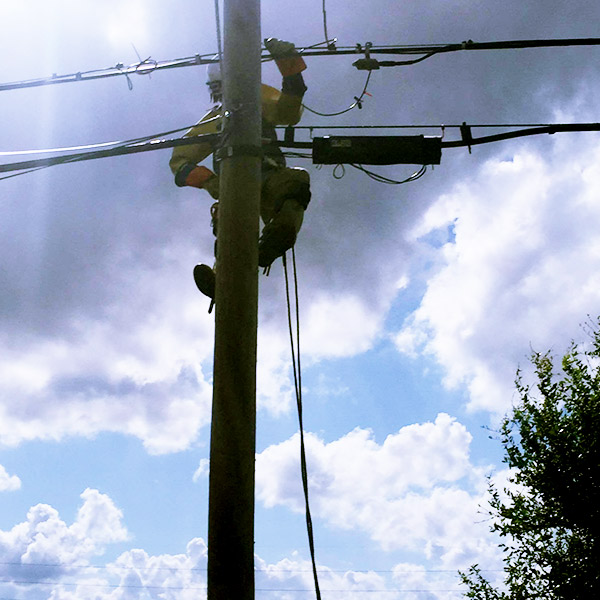
FERC’s request for comments on transmission incentives produced splits between transmission owners and load interests, as well as calls for new policies.
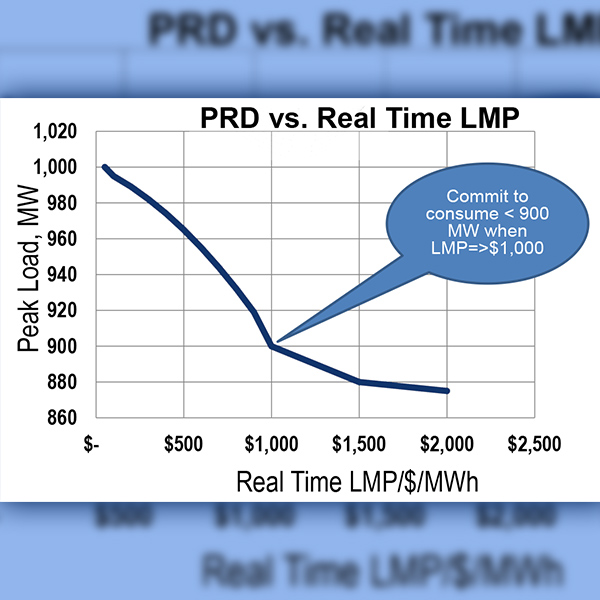
FERC rejected a PJM proposal to reduce load-serving entities’ savings from price-responsive demand programs.
The EPA's relaxed emission rules for coal-fired generation is almost irrelevant to some of the country's largest public power companies.
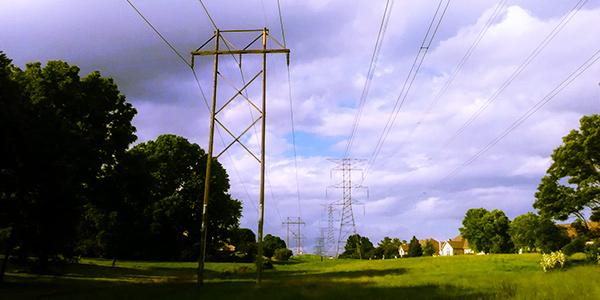
FERC rejected MISO’s cost allocation proposal for market efficiency projects, saying it was at odds with the principle of cost causation.
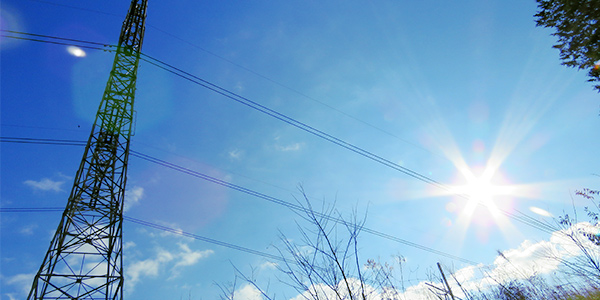
FERC reversed its position again in a more than decadelong dispute over line-loss refunds, ordering PJM to surcharge load to recover overpayments.

SPP may ask FERC to lower its exit fee in response to the commission’s April order that the RTO eliminate the fee for members who are not TO or LSEs.

Facing the same challenges as its U.S. counterparts, Ontario’s IESO is reshaping its markets to handle an influx of renewable and distributed resources.
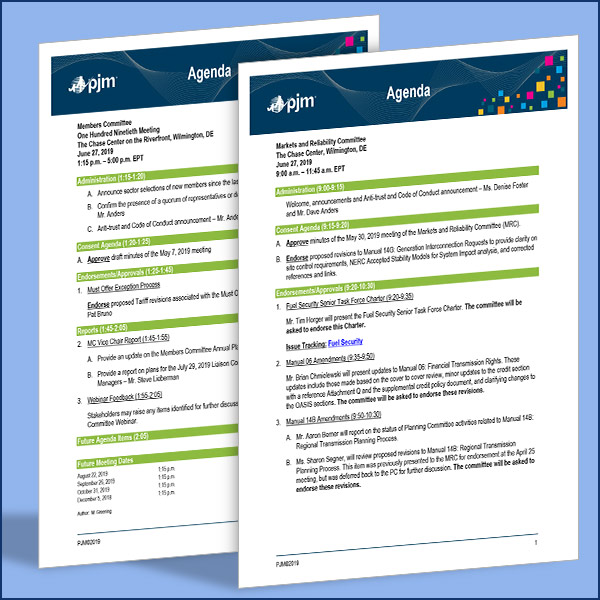
A summary of the issues scheduled to be brought to a vote at the PJM Markets and Reliability and Members committees on June 27, 2019.
FERC rejected contested settlements filed by SPP regarding annual transmission revenue requirements for two cooperatives.
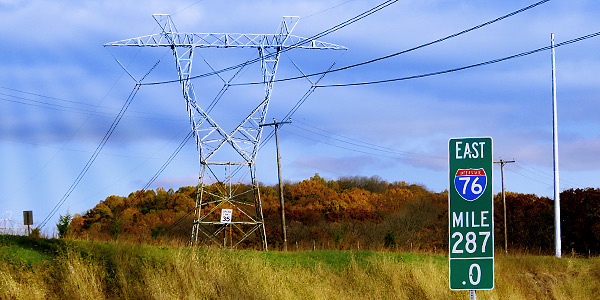
FERC rejected a set of rehearing requests contesting the cost allocations for several cross-seams projects between PJM and MISO.
Want more? Advanced Search