Federal Energy Regulatory Commission (FERC)
The Federal Energy Regulatory Commission is an independent agency that regulates the interstate transmission of electricity, natural gas and oil; reviews proposals to build LNG terminals and interstate natural gas pipelines; and licenses hydropower projects. FERC also oversees operations of regional wholesale electricity and natural gas markets and oversees the reliability of the bulk electric system.

Pixabay
FERC approved reliability standards for mitigating supply chain risks in industrial control system hardware, software and computing and networking services.
© RTO Insider
FERC rejected a proposed MISO maintenance fee, but it approved a new process for interconnecting external merchant HVDC transmission.
FERC
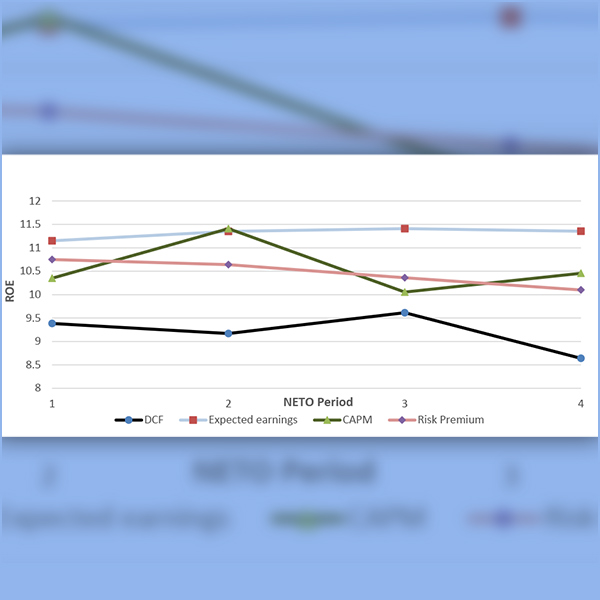
FERC signaled a major change in how it sets transmission owners' return on equity rates; no longer relying solely on the discounted cash flow model.
SPP
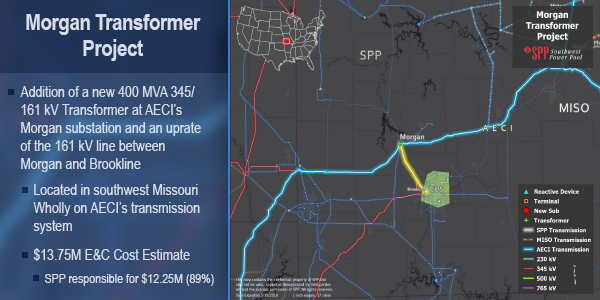
FERC approved the first SPP seams project when it accepted Tariff revisions incorporating a cost-sharing and usage agreement with AECI.
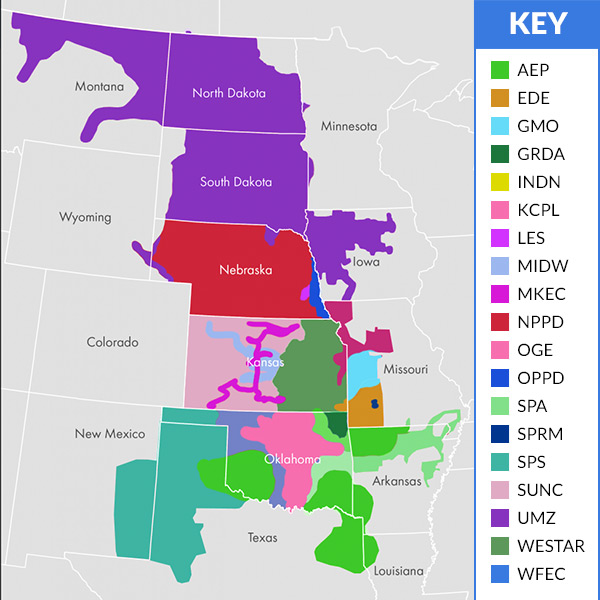
FERC denied a rehearing request by SPP transmission owners of its earlier decision on the allocation of transmission costs.

Columnist Steve Huntoon dispels the notion that recently confirmed Supreme Court Justice Brett Kavanaugh is against independent agencies such as FERC.
CPUC
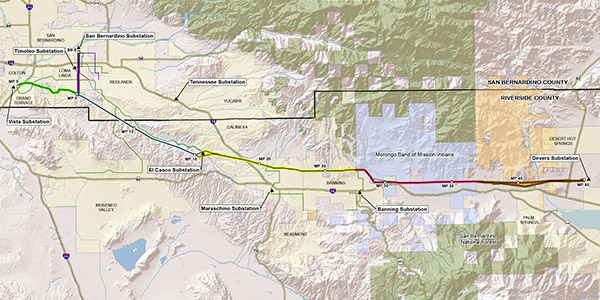
FERC approved a settlement that will grant a NextEra Energy subsidiary congestion revenue rights that CAISO denied the company in 2015.

Google
RTO Insider responded to NEPOOL’s answer to protests that joined the publication in calling for open stakeholder meetings.
ERCOT
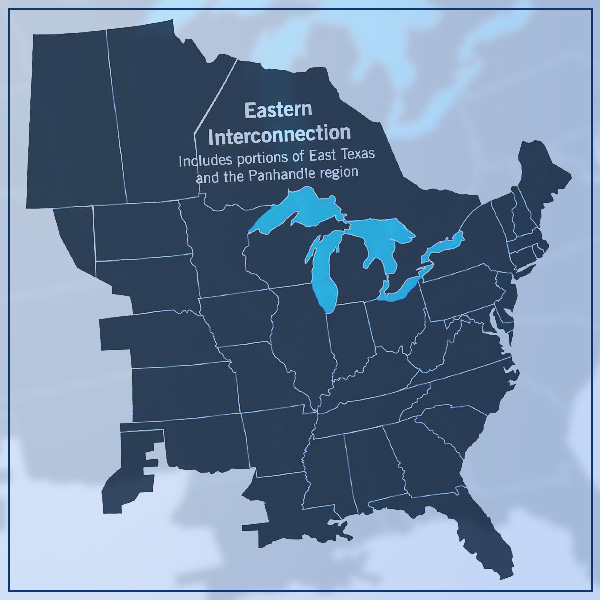
Transmission planning in the Eastern Interconnection is well-coordinated among its planning authorities, according to EIPC.

© RTO Insider
President Trump nominated the Department of Energy’s Bernard McNamee to replace former FERC Commissioner Robert Powelson.
Want more? Advanced Search