Federal Energy Regulatory Commission (FERC)
The Federal Energy Regulatory Commission is an independent agency that regulates the interstate transmission of electricity, natural gas and oil; reviews proposals to build LNG terminals and interstate natural gas pipelines; and licenses hydropower projects. FERC also oversees operations of regional wholesale electricity and natural gas markets and oversees the reliability of the bulk electric system.
Entergy
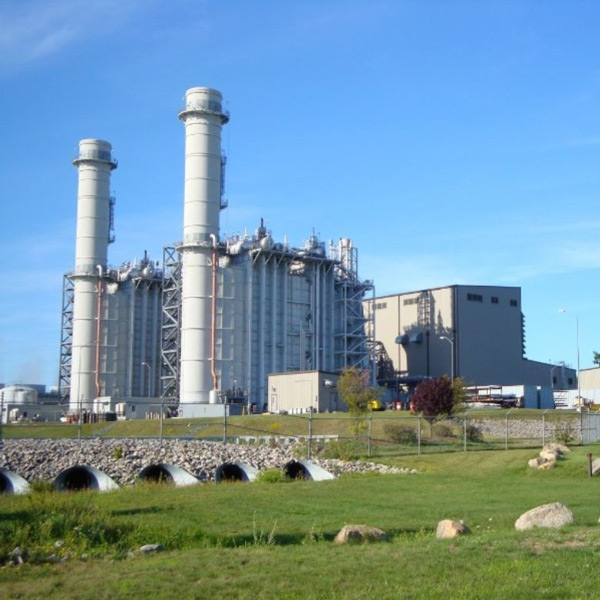
FERC approved a civil penalty against Entergy for failing to inform ISO-NE of the inability of its gas-fired generator to meet capacity obligations.
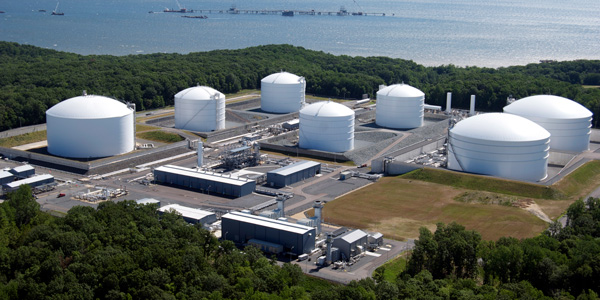
Environmentalists and industrial consumers challenged a DOE-funded study that concludes U.S. economic growth would be boosted by unlimited LNG exports.
Mexico Ministry of Energy
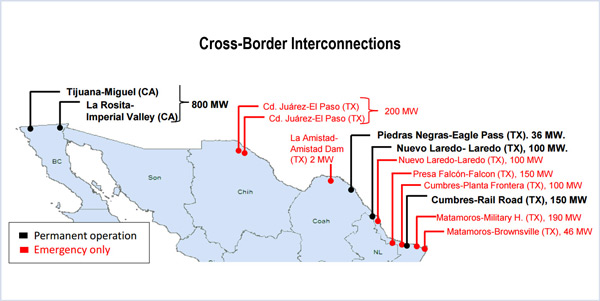
FERC granted AEP Energy Partners’ request to transmit power between ERCOT and Mexico over existing DC tie connections.
Algonquin
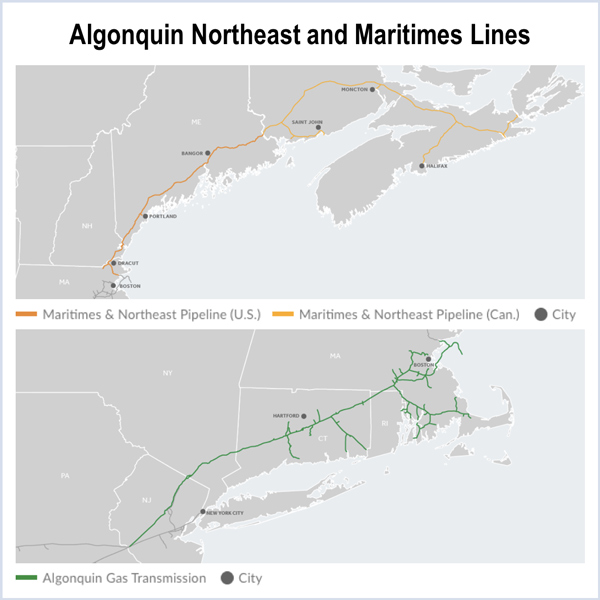
A D.C. Circuit Court of Appeals panel declined to review FERC’s approval of plans to expand capacity on the Algonquin Natural Gas pipeline.
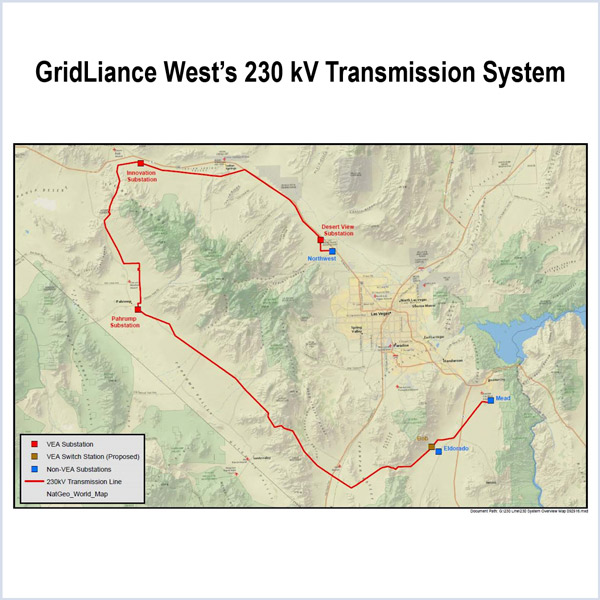
FERC granted GridLiance West incentive rate treatments for upgrades to a Nevada transmission line that connects to the CAISO grid.

Infocast’s first SPP and MISO Markets Summit attracted participants and industry representatives from the RTOs’ footprints for panel discussions.
National Fuel Gas
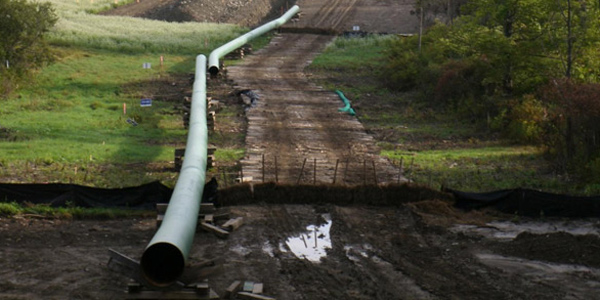
FERC received about 2,000 comments on its Notice of Inquiry about how it balances natural gas pipeline project benefits against adverse consequences.
NYISO
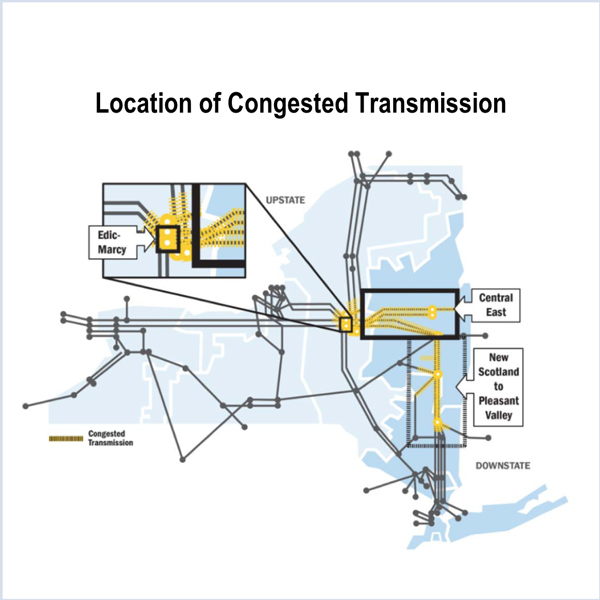
FERC granted NYISO a temporary Tariff waiver to allow it to reserve 256 MW of transmission congestion contracts for load-serving entities (LSEs).
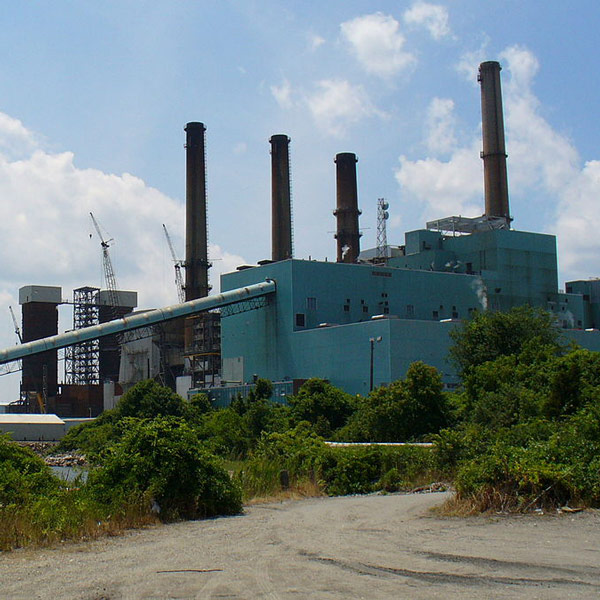
The D.C. Circuit Court of Appeals dismissed claims that FERC had failed to consider the effects of the closure of Brayton Point on ISO-NE’s FCA 9 and 10.
National Cybersecurity & Communications Integration Center
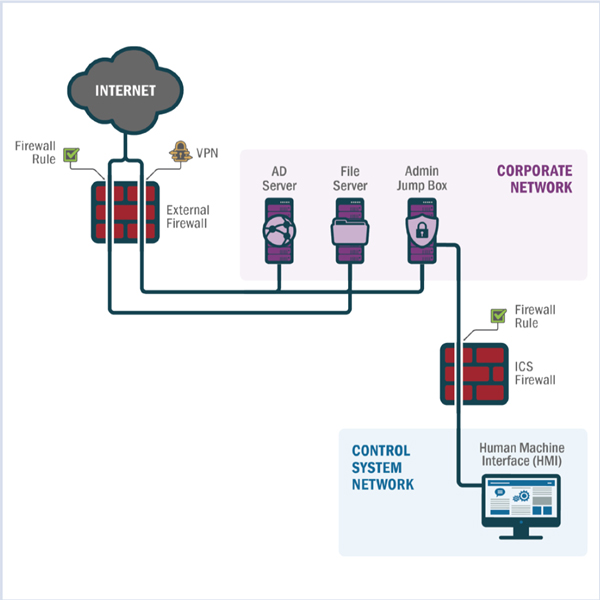
Russian hackers gained the ability to manipulate U.S. utilities’ industrial control systems in a campaign that compromised 100's of energy companies.
Want more? Advanced Search