Federal Energy Regulatory Commission (FERC)
The Federal Energy Regulatory Commission is an independent agency that regulates the interstate transmission of electricity, natural gas and oil; reviews proposals to build LNG terminals and interstate natural gas pipelines; and licenses hydropower projects. FERC also oversees operations of regional wholesale electricity and natural gas markets and oversees the reliability of the bulk electric system.
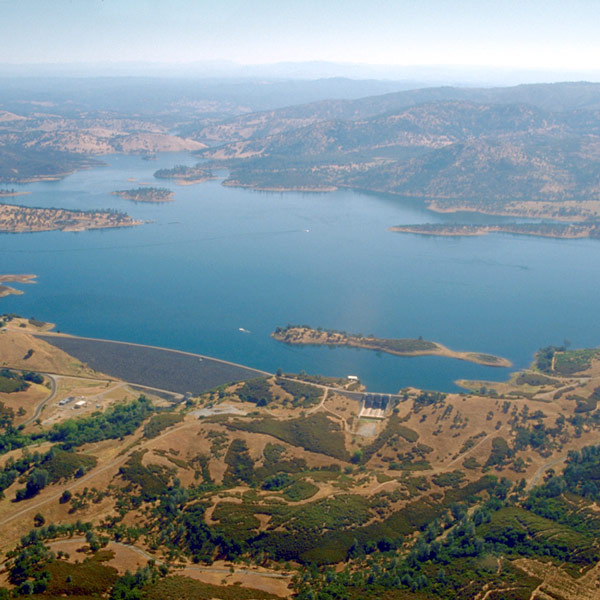
U.S. Army Corps of Engineers
Use-limited resources will be allowed to attach opportunity cost adders to their bids in CAISO’s energy market under a proposal approved by FERC.
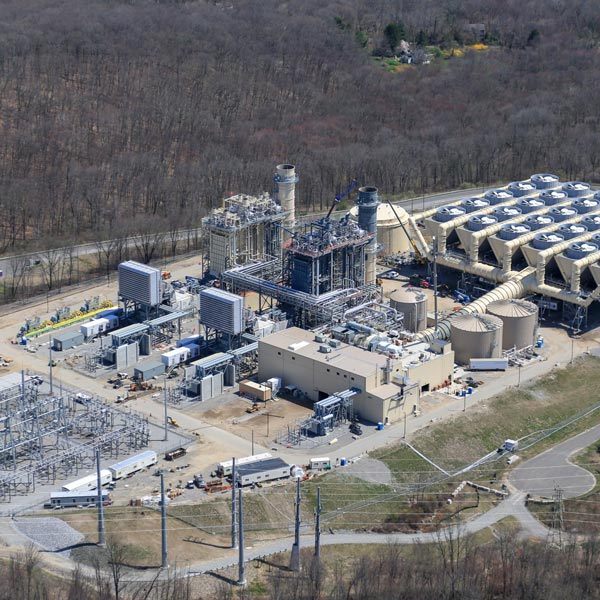
CPV
FERC ruled CPV must provide additional information to prove it adequately mitigated market power at its newly opened Towantic Energy Center.
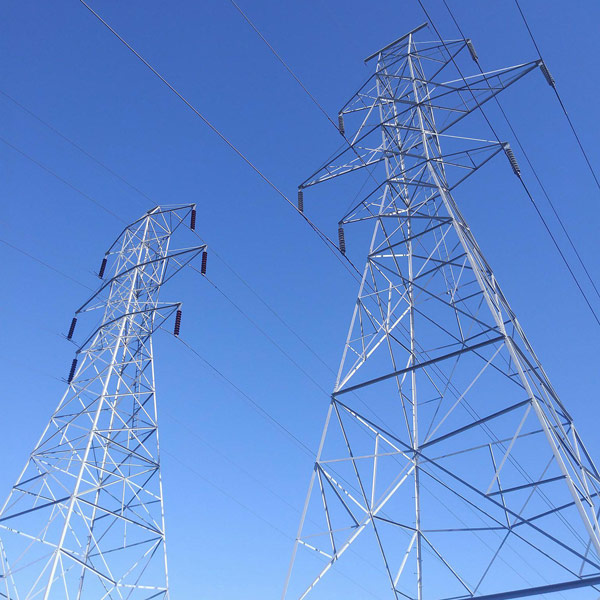
FERC identified 13 additional transmission owners it said should change accounting practices that could inflate rates by underestimating tax credits.
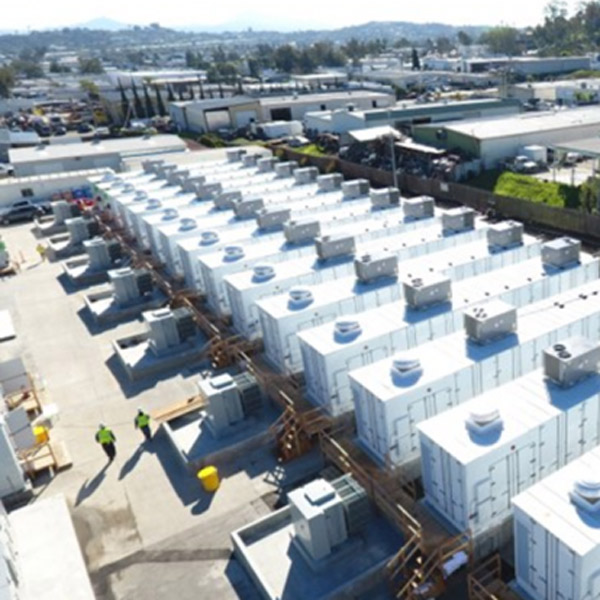
SDG&E
FERC granted SDG&E a waiver allowing it to continue the interconnection process for an energy storage project without posting financial security to itself.
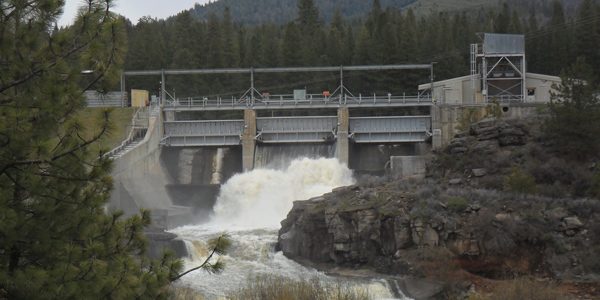
FERC granted PacifiCorp a stay on the commission’s order regarding an application to transfer the company’s license for its Klamath Hydroelectric Project.
Southwire
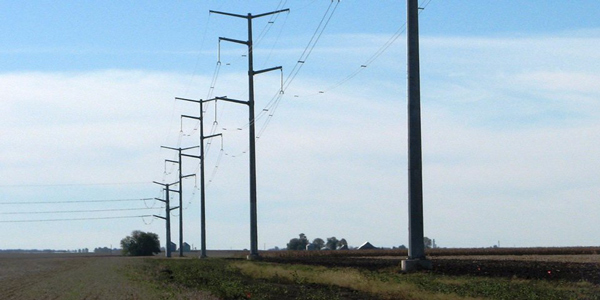
FERC denied a rehearing request of its November 2017 order on remand regarding transmission cost allocation in the WestConnect planning region.
Ameren Corp
Federal courts rejected two challenges involving FERC Order 1000: one to Minnesota's ROFR law, and another to MISO's interregional cost allocation.
Great River Energy
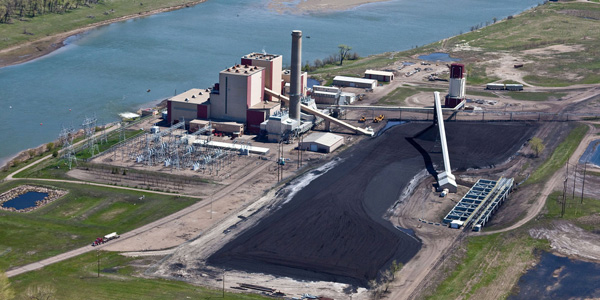
FERC accepted Great River Energy’s slimmed-down annual revenue requirement for reactive supply and voltage control at eight of its plants.
Calpine and AEP are offering alternatives to plans for complying with FERC Order 842, which requires some generators to provide primary frequency response.
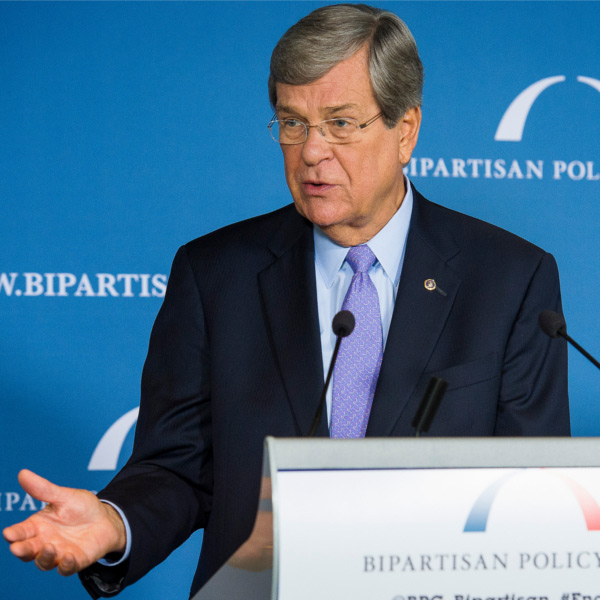
Trent Lott and John Breaux have joined a new organization to build political support for the carbon dividend proposal by Republican party elders.
Want more? Advanced Search