Federal Energy Regulatory Commission (FERC)
The Federal Energy Regulatory Commission is an independent agency that regulates the interstate transmission of electricity, natural gas and oil; reviews proposals to build LNG terminals and interstate natural gas pipelines; and licenses hydropower projects. FERC also oversees operations of regional wholesale electricity and natural gas markets and oversees the reliability of the bulk electric system.
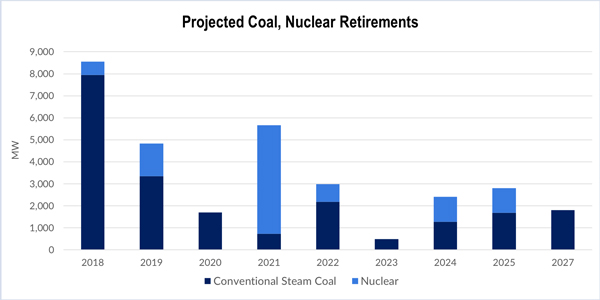
FirstEnergy Solutions, Energy Information Administration Electric Power Monthly, March 2018
Since President Trump directed Energy Secretary Rick Perry to prevent additional coal and nuclear plant retirements, the administration has provided no additional details.
SPP
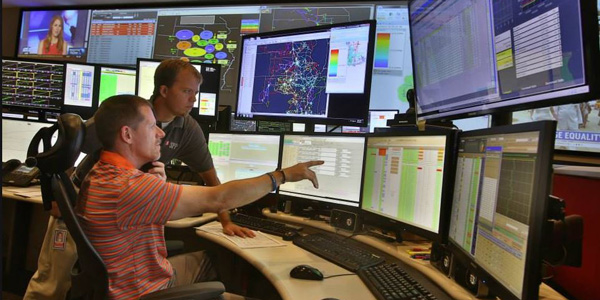
FERC approved the SPP May 2016 proposal to change how it measures the net benefits of demand response under Order 745.
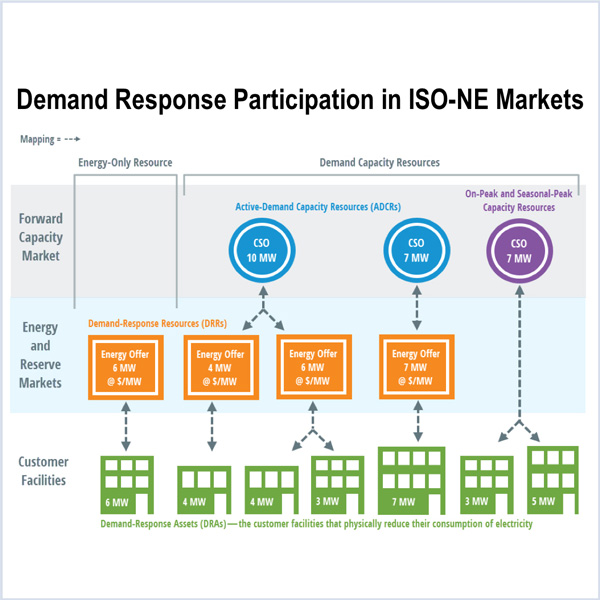
Assessment of Demand Response and Advanced Metering Staff Report, FERC, December 2015
ISO-NE has become the first U.S. grid operator to put active demand response into its energy dispatch along with generating resources.

PJM staff outlined their proposal for registering aggregations of seasonal Demand Response (DR) resources that can’t comply with the year-round requirements of Capacity Performance.
© RTO Insider
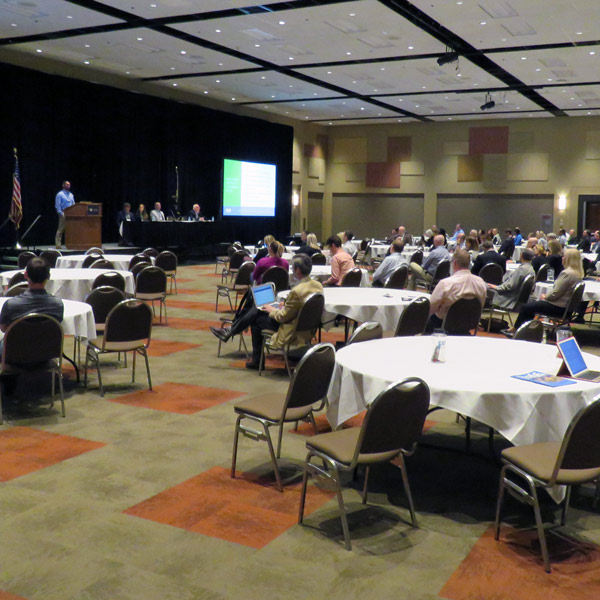
Small modular reactors are more easily tailored to varying usage and sites, industry experts told the annual meeting of Western Conference of Public Service Commissioners (WCPSC).
© RTO Insider
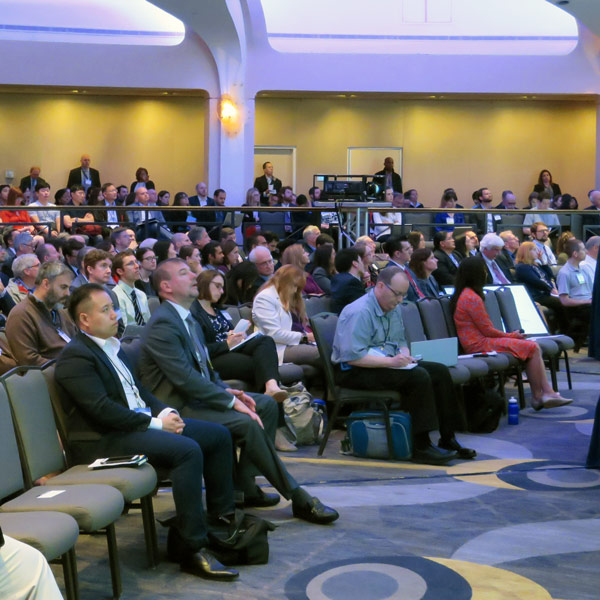
A panel featuring officials from PJM, ERCOT and GE Power at the EIA Energy Conference took questions from the audience on several topics.
© RTO Insider
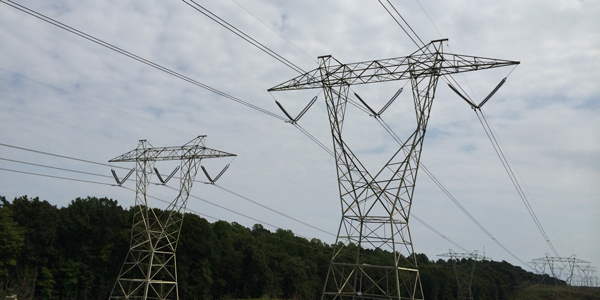
FERC gave final approval to NERC reliability standards on training requirements and the coordination of protection systems.
MJ Electric
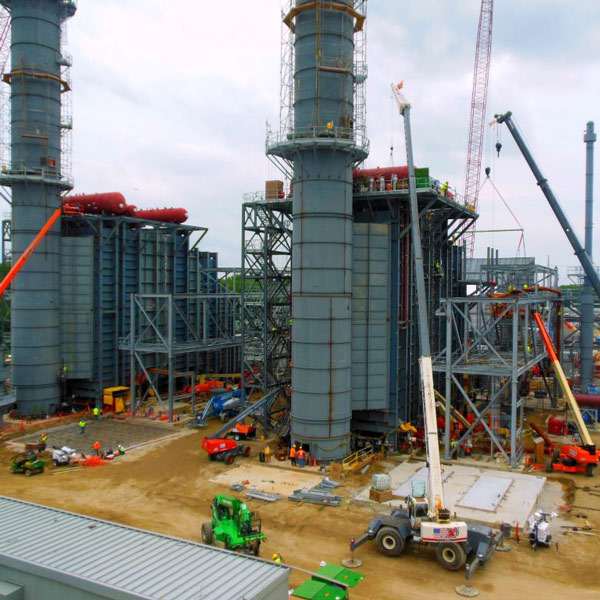
The D.C. Circuit Court of Appeals backed FERC in its revised interpretation of a PJM Tariff provision governing responsibility for transmission upgrades.
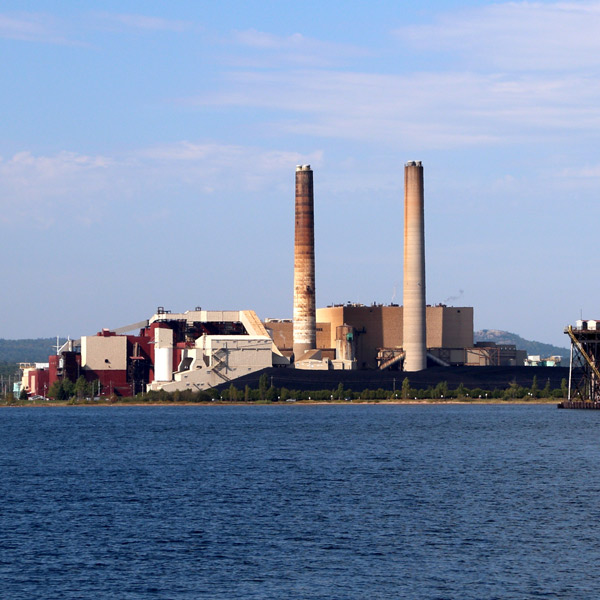
FERC rejected a Michigan request for a stay of a previous order approving MISO’s refund report related to a system support resource (SSR).
© RTO Insider
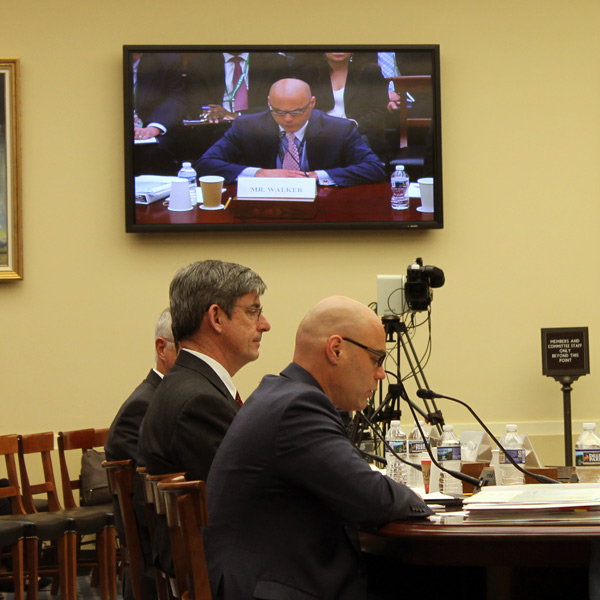
A senior DOE official told Congress the department has no estimates on the cost of the coal and nuclear power bailout President Trump ordered.
Want more? Advanced Search