Federal Energy Regulatory Commission (FERC)
The Federal Energy Regulatory Commission is an independent agency that regulates the interstate transmission of electricity, natural gas and oil; reviews proposals to build LNG terminals and interstate natural gas pipelines; and licenses hydropower projects. FERC also oversees operations of regional wholesale electricity and natural gas markets and oversees the reliability of the bulk electric system.
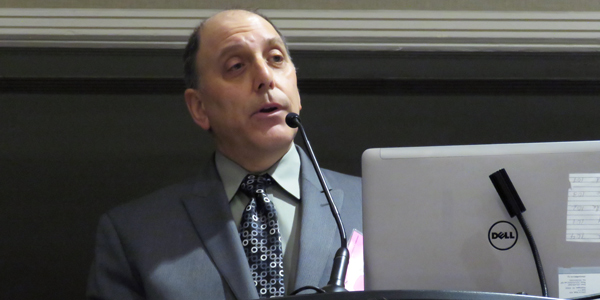
FERC’s delay in responding to the D.C. Circuit’s Emera Maine return-on-equity ruling has created uncertainty, a panel told the Energy Bar Association’s (EBA) annual meeting.
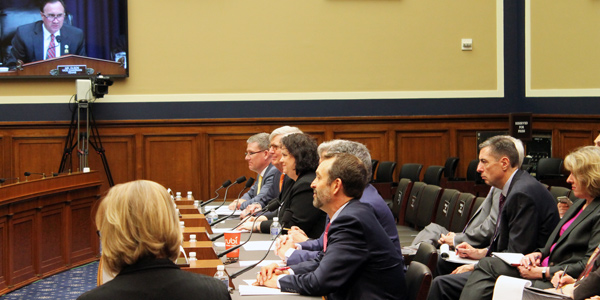
Votes on the House floor kept a House Energy Subcommittee hearing on transmission planning to about 90 minutes.
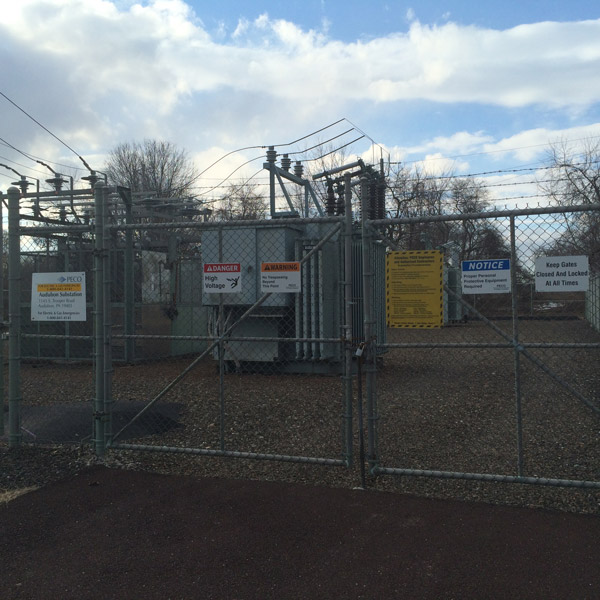
FERC should let RTO stakeholder processes work and not issue broad and costly new mandates on grid resilience, commenters told the commission.
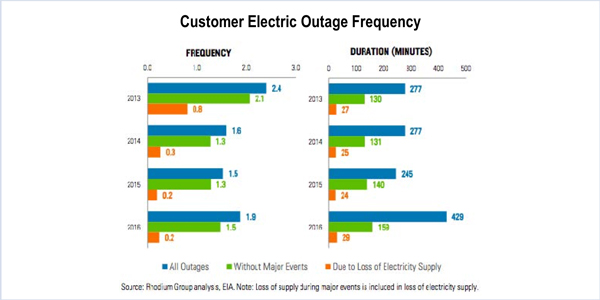
Grid resilience, apparently, is in the eye of the beholder. But a new report asks the power industry to look to the customer to find the real meaning of the concept.
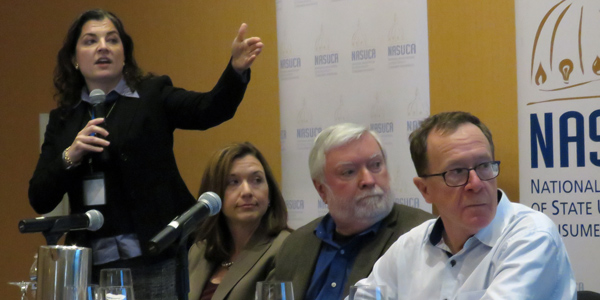
RTO Insider’s Rich Heidorn Jr. spoke with Christina Simeone of the Kleinman Center for Energy Policy about her study on PJM’s governance.
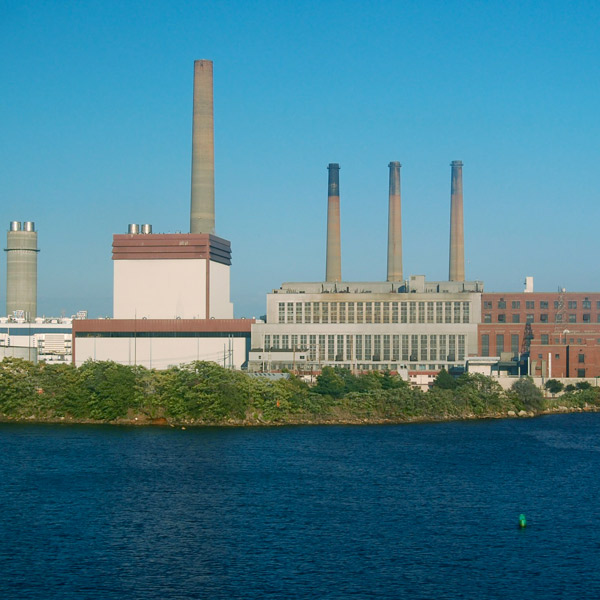
Exelon’s plans for its generation subsidiary rely heavily on a push for new legislation and market rule changes that ensure profitability for its plants.
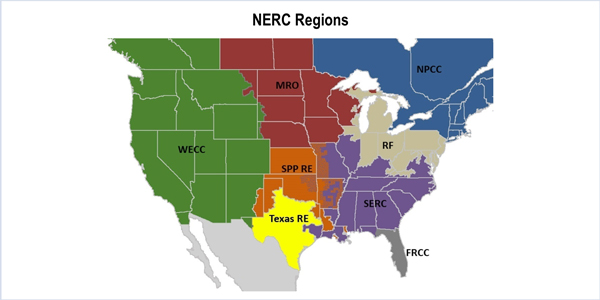
NERC
FERC approved the dissolution of the SPP Regional Entity and the transfer of its members to the Midwest Reliability Organization and SERC Reliability Corp.

Coal plant retirements have not caused a shortage of black start resources, but grid operators should consider expanded testing, FERC and NERC said.
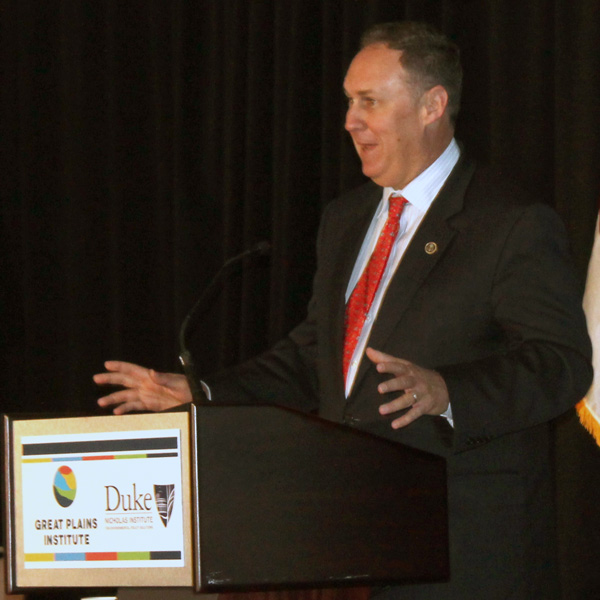
FERC Commissioner Robert Powelson said that he sees an “erosion of confidence” in RTO stakeholder processes.
SCE&G
FERC approved simultaneous transmission import limits for several balancing authority areas in the Southeast, stretching from Kentucky to Florida.
Want more? Advanced Search