
Federal Energy Regulatory Commission (FERC)
The Federal Energy Regulatory Commission is an independent agency that regulates the interstate transmission of electricity, natural gas and oil; reviews proposals to build LNG terminals and interstate natural gas pipelines; and licenses hydropower projects. FERC also oversees operations of regional wholesale electricity and natural gas markets and oversees the reliability of the bulk electric system.
Calpine
As part of its review for the Constellation-Calpine merger, DOJ asked PJM for a major trove of market data as it looks into the region where the two firms' operations overlap the most.
SMS Group
Stakeholders asked FERC to force MISO to cut or dilute some of the harsher requirements of its proposed demand response participation and accreditation package.
Yes Energy
FERC approved settlements between ReliabilityFirst and two Cogentrix entities with a total penalty of $110,000, along with additional settlements in SERC's footprint.
EMC Engineering Services
The NEPOOL Participants Committee voted to support an expedited filing adjusting several key dates in ISO-NE’s compliance proposal for FERC Order 2023.
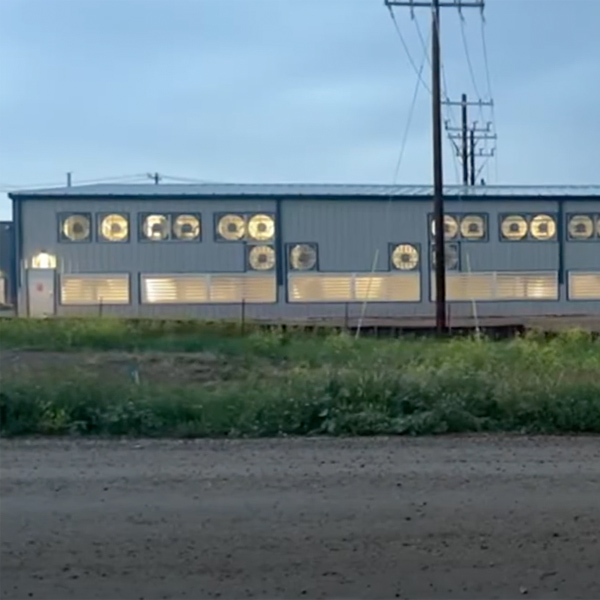
KFYR-TV
MISO is seeking judicial review of two FERC decisions preventing the RTO from recouping costs or revising a joint procedure with SPP over a shared North Dakota transmission line that has become congested by a new cryptocurrency mining facility.

© RTO Insider
FERC has accepted a compliance filing by ISO-NE and the New England transmission owners eliminating interconnection customers’ responsibility to pay for operations and maintenance costs on interconnection network upgrades.
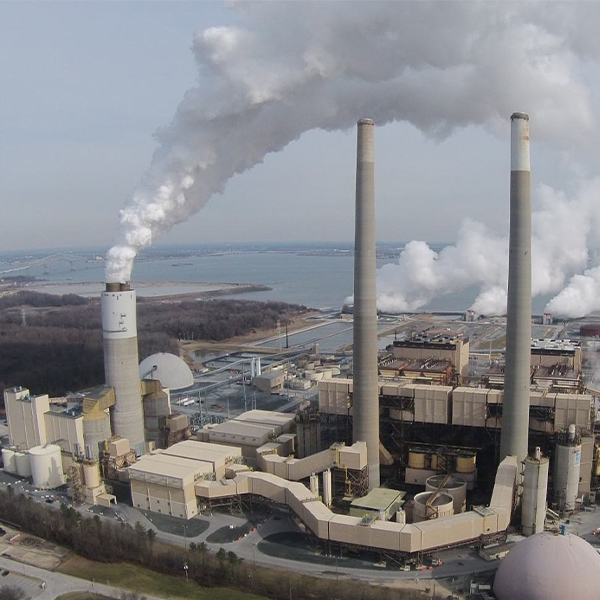
Talen Energy
FERC approved settlements on reliability must run deals that will keep the Brandon Shores Generating Station and the H.A. Wagner Generating Station in Maryland running until May 31, 2029.
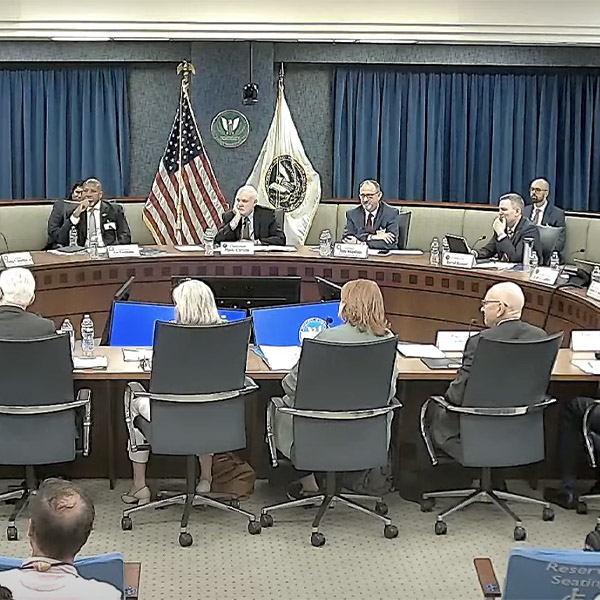
FERC
FERC and state regulators heard from experts on the state of gas-electric coordination, which continues to be an issue as the two industries systems are increasingly interdependent.
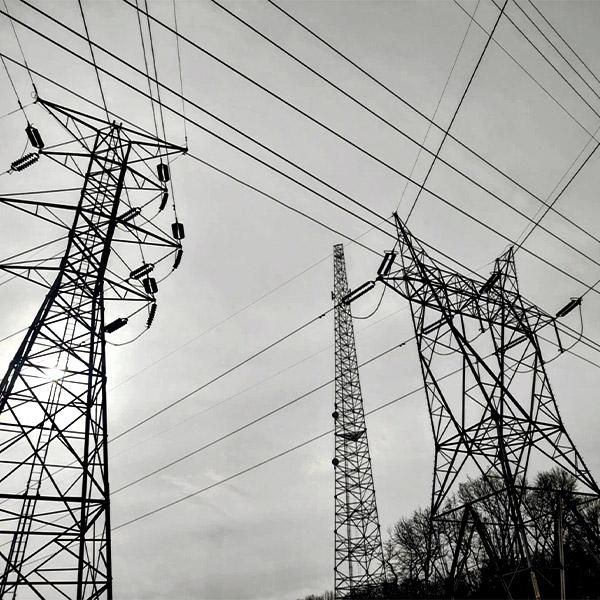
© RTO Insider
Regulators of MISO states are mulling whether they should work together to offer up an entirely new cost allocation for the RTO’s long-range transmission projects.
© RTO Insider
Markets+ stakeholders will have little opportunity to ease up in coming months despite a wave of favorable developments for the market.
Want more? Advanced Search
