Federal Energy Regulatory Commission (FERC)
The Federal Energy Regulatory Commission is an independent agency that regulates the interstate transmission of electricity, natural gas and oil; reviews proposals to build LNG terminals and interstate natural gas pipelines; and licenses hydropower projects. FERC also oversees operations of regional wholesale electricity and natural gas markets and oversees the reliability of the bulk electric system.
© RTO Insider
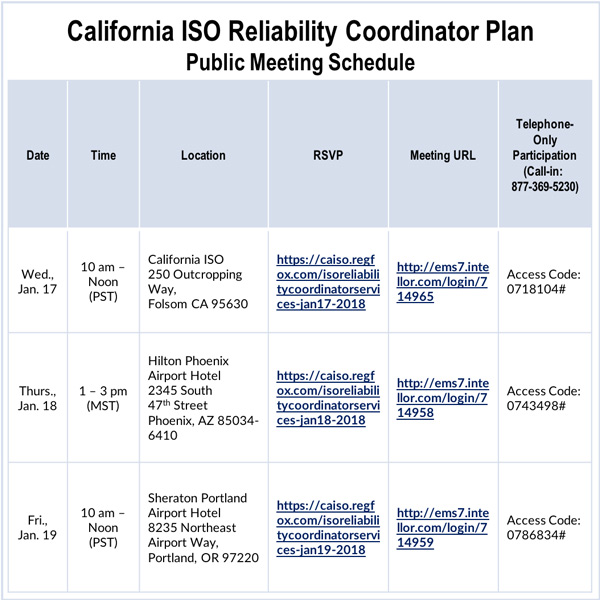
CAISO officials said they “reluctantly” plan for the ISO to become a reliability coordinator (RC) by spring 2019 and will depart from Peak Reliability.
FERC
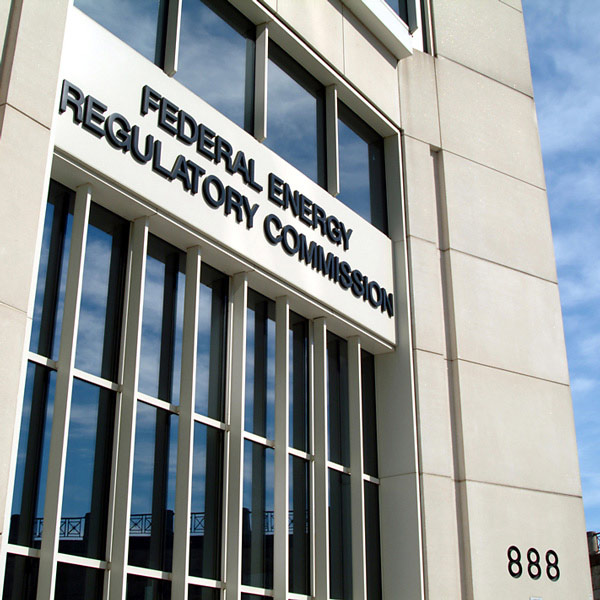
Consolidated Edison won FERC approval to recover its payments to distributed energy resources customers.
Southern California Edison
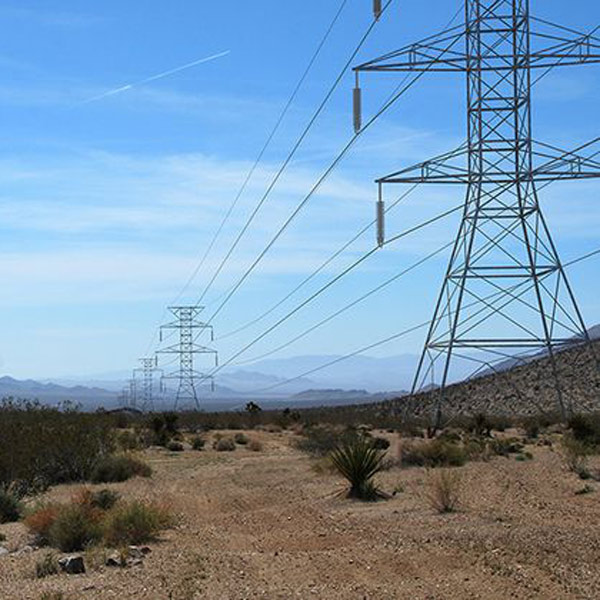
FERC ordered hearing and settlement proceedings on Southern California Edison’s proposal to revise its transmission formula rate.
Calpine
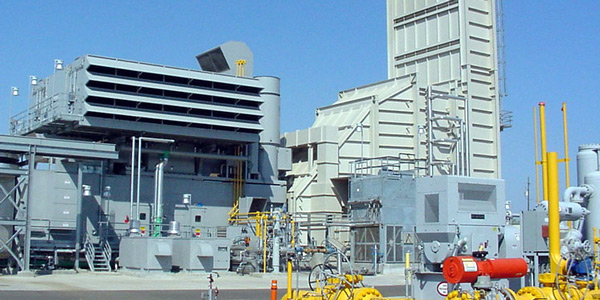
FERC ordered hearing and settlement procedures in a dispute over reliability-must-run agreements filed by Calpine for generators in CAISO.
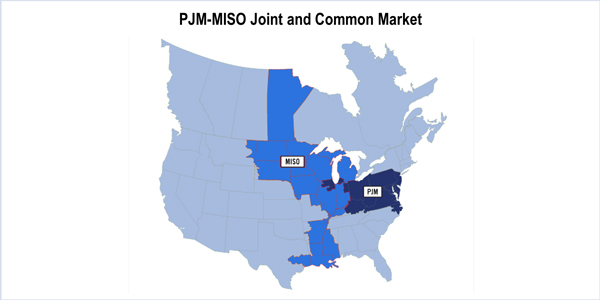
MISO, PJM
FERC approved changes to MISO and PJM’s Joint Operating Agreement to improve their coordination of pseudo-tied generators.
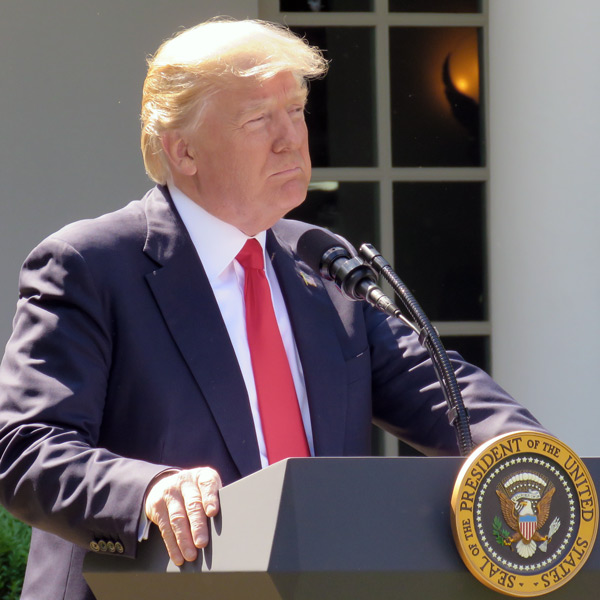
While the energy industry has experienced upheaval under Donald Trump in his first year as president, there’s evidence that it has ballast that can withstand it.
MISO won FERC permission to expand its mitigation measures on narrowly constrained areas to address intense but temporary congestion.

PJM’s long-awaited capacity construct redesign will have to wait at least another month for endorsement by the Markets and Reliability Committee.
A good audit report isn't enough to protect utilities from federal penalties after a reliability event, argues former NERC official Terry Brinker.
MGN Photo
FERC accepted Tariff revisions to streamline SPP’s Integrated Transmission Planning (ITP) process, despite opposition from wind developers.
Want more? Advanced Search