Federal Energy Regulatory Commission (FERC)
The Federal Energy Regulatory Commission is an independent agency that regulates the interstate transmission of electricity, natural gas and oil; reviews proposals to build LNG terminals and interstate natural gas pipelines; and licenses hydropower projects. FERC also oversees operations of regional wholesale electricity and natural gas markets and oversees the reliability of the bulk electric system.
ISO-NE
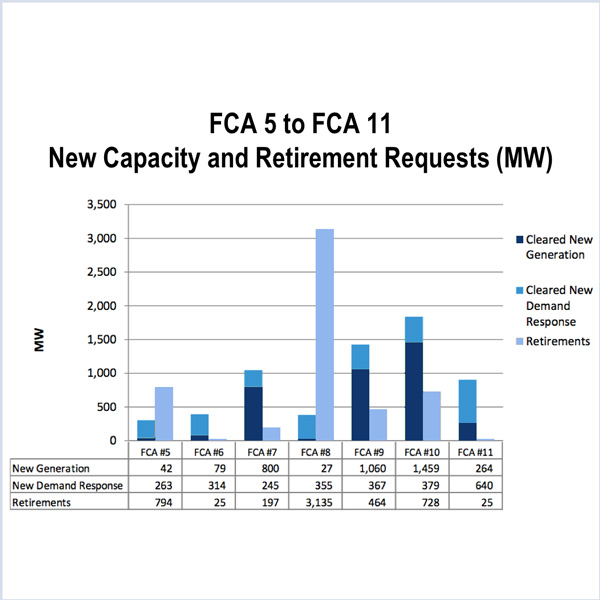
FERC denied requests for rehearing of its order that approved capacity market changes to prevent ISO-NE generation owners from economic resource retirement.
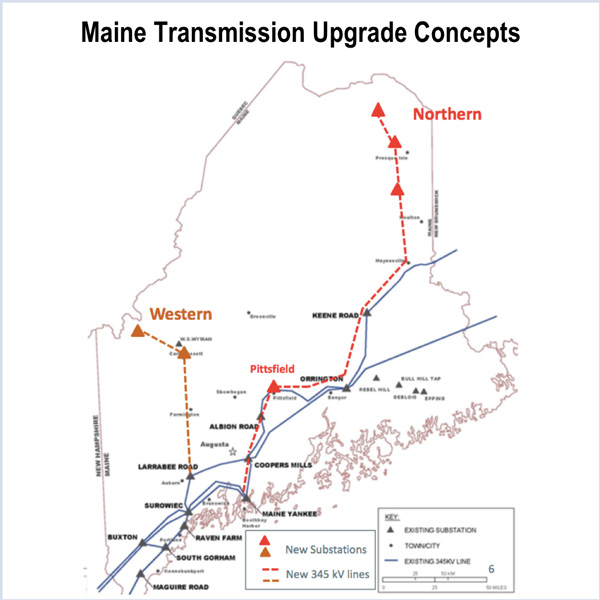
FERC approved ISO-NE’s proposal for clustering interconnection queue requests to relieve a backlog in the queue for northern and western Maine.

FERC approved CAISO Tariff changes to establish a process for procuring black start resources needed to restore California’s transmission system.
AWEA
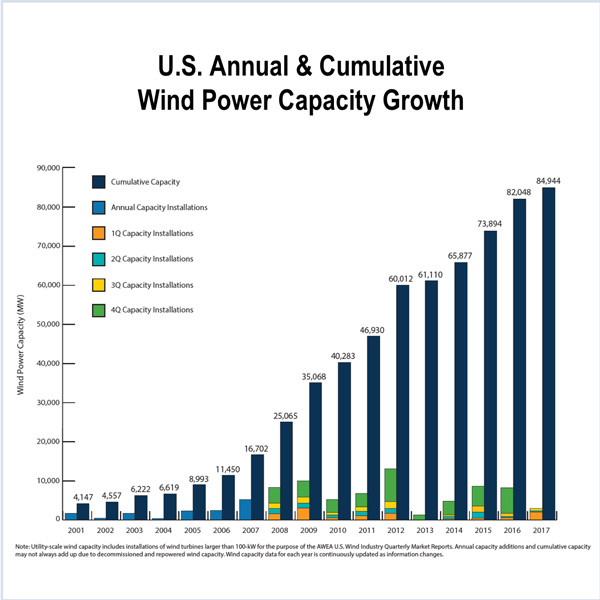
The tax bill introduced by House Republicans would trim the wind production tax credit by more than a third and eliminate the credit for electric vehicles.
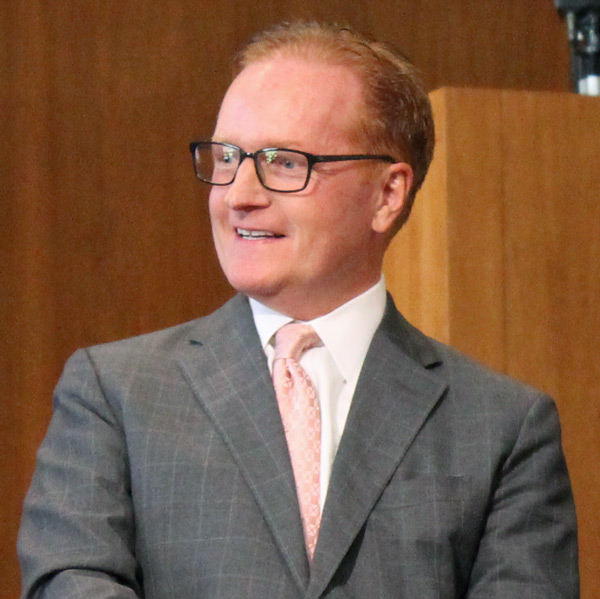
The Senate confirmed Republican Kevin McIntyre and Democrat Richard Glick to FERC, giving the commission a full panel for the first time in two years.
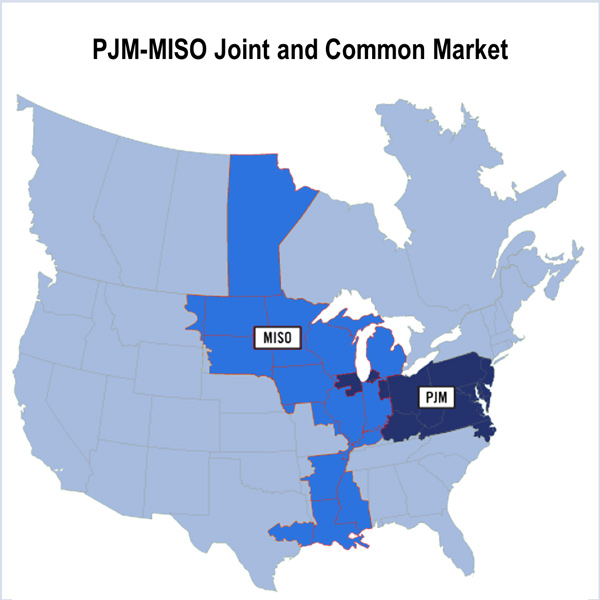
MISO and PJM have responded to a FERC deficiency letter with a defense and clarification of their proposal to impose stricter rules on pseudo-ties.
FERC denied NRG’s request for rehearing of an order concerning NYISO Tariff revisions intended to correct an inefficiency in the ISO’s capacity market.
USITC
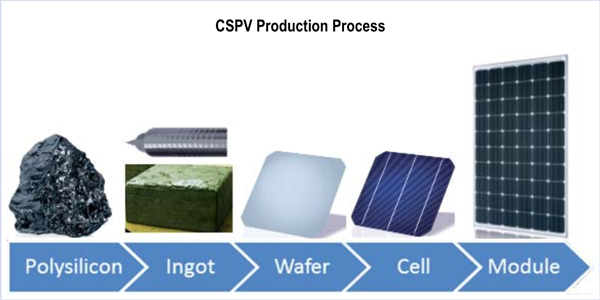
The U.S. International Trade Commission recommended that President Trump impose import duties as high as 35% on solar cells and modules.
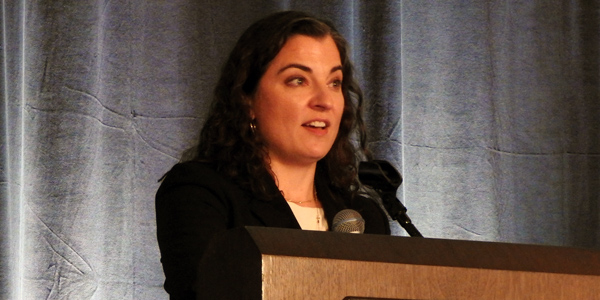
At a conference to analyze Pennsylvania’s electricity markets, Christina Simeone unveiled her study on price impacts from the expansion in shale gas.
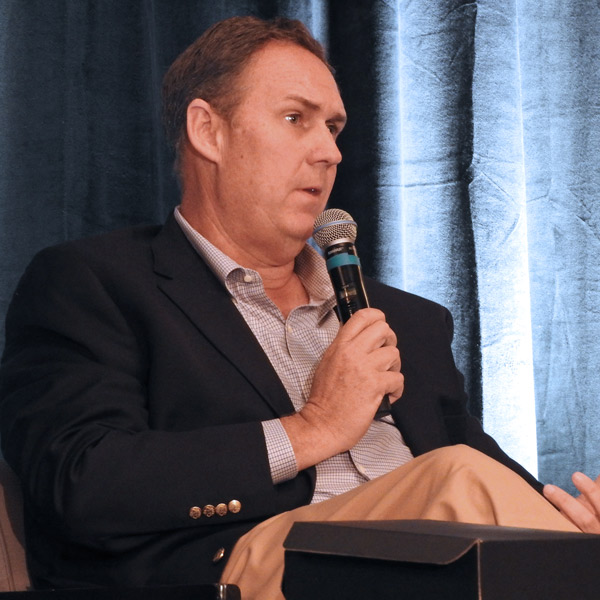
At the Decade of Disruption conference in Pennsylvania, FERC Commissioner Robert Powelson talked about his concerns with the DOE NOPR and his priorities.
Want more? Advanced Search