Federal Energy Regulatory Commission (FERC)
The Federal Energy Regulatory Commission is an independent agency that regulates the interstate transmission of electricity, natural gas and oil; reviews proposals to build LNG terminals and interstate natural gas pipelines; and licenses hydropower projects. FERC also oversees operations of regional wholesale electricity and natural gas markets and oversees the reliability of the bulk electric system.
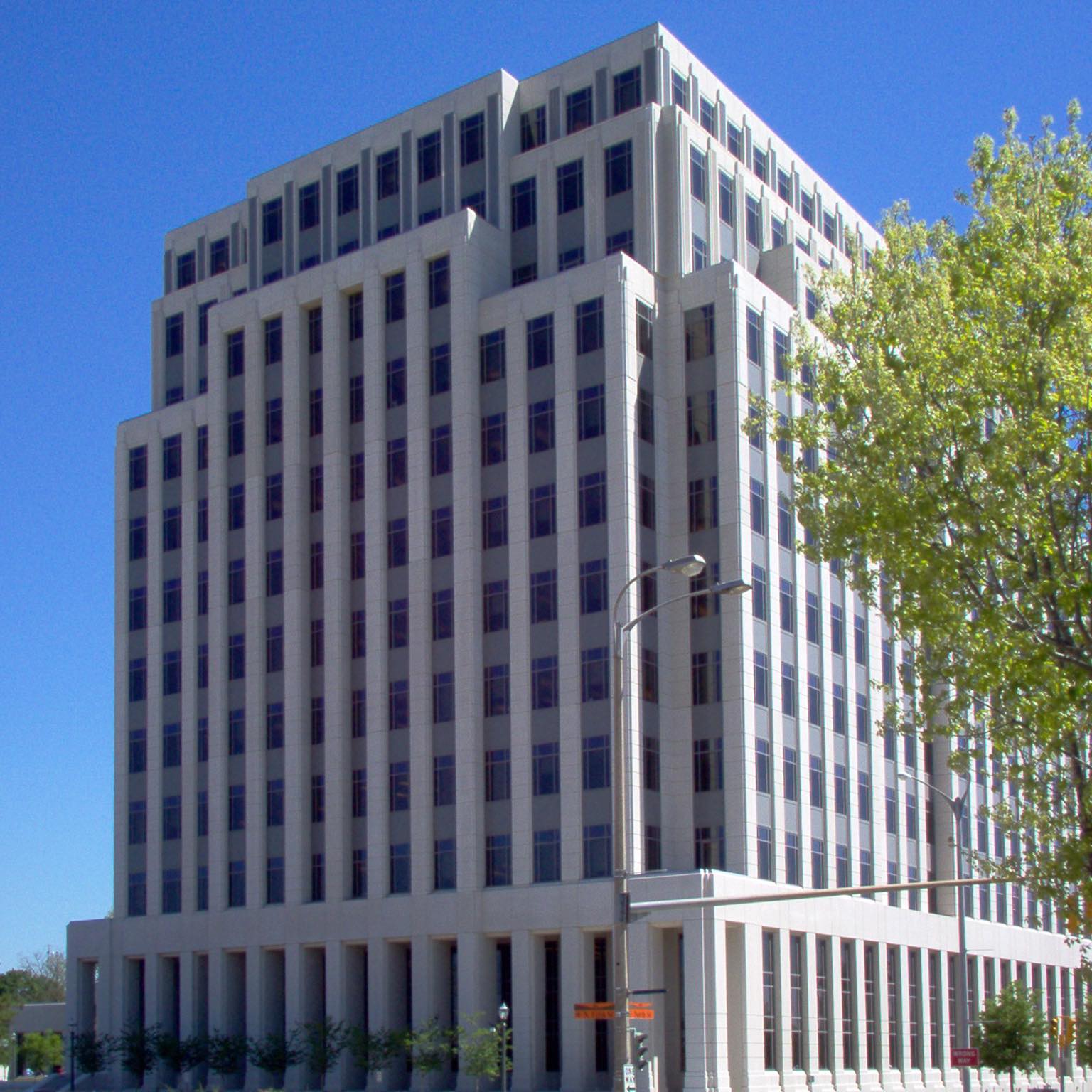
FERC accepted a compliance filing from Entergy on a settlement meant to resolve a more than 20-year-old dispute between the utility and the Louisiana PSC.
© RTO Insider
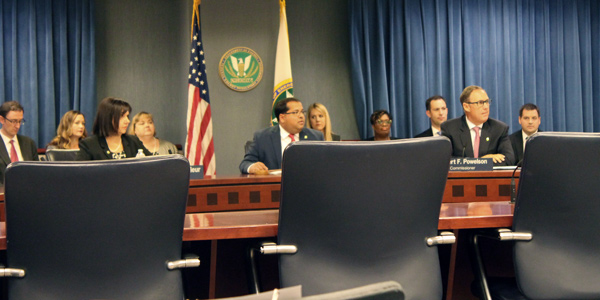
With two new members, FERC commissioners spent much of the commission’s first open meeting since January introducing their teams and new staff members.
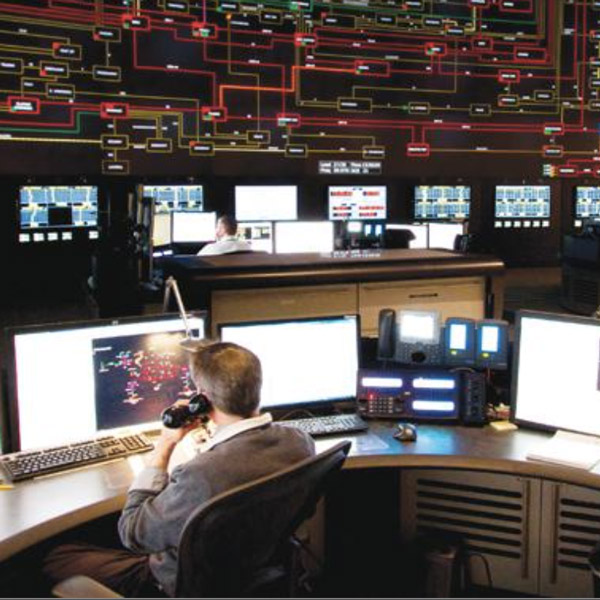
NYISO
FERC approved several NERC reliability standards and proposed a rulemaking regarding emergency procedures.
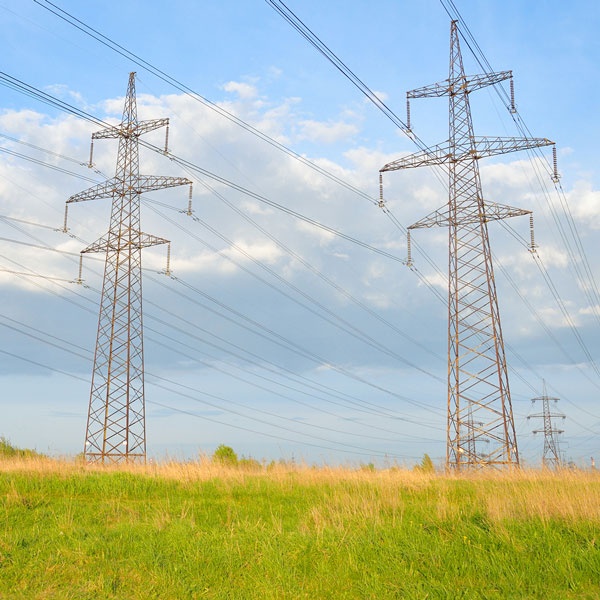
PGE
FERC rejected an argument by the California PUC (CPUC) that it erred last year in allowing PG&E to include a 50-basis-point ISO participation adder.
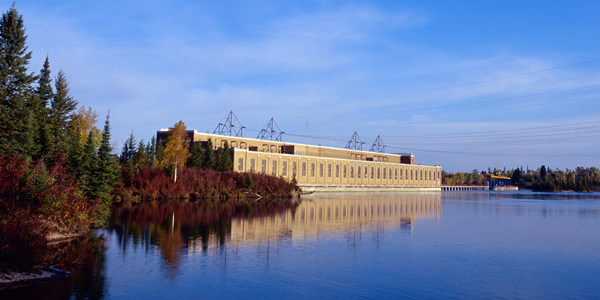
FERC issued orders revising how MISO deals with its neighbors when incorporating power flows between the RTO and Manitoba Hydro.
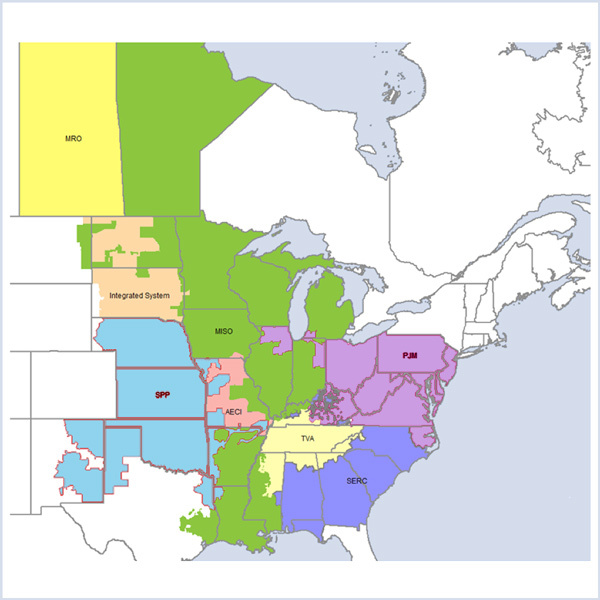
FERC rejected the MISO proposed cost allocation plan for interregional projects outside the RTO, sending the issue back to a divided stakeholder body.
The CAISO board approved usage of generator contingency modeling and RAS in the day-ahead and real-time markets.
Environmental advocates criticized FERC for ruling that New York state failed to act in a timely manner on water quality permits.
The Trump administration sided with utility witnesses on legislation to streamline approvals for managing vegetation near power lines on federal land.

Stakeholders at last week’s MIC meeting endorsed a two-phase implementation of Manual 11 revisions to facilitate intra-day generation offers.
Want more? Advanced Search