Federal Energy Regulatory Commission (FERC)
The Federal Energy Regulatory Commission is an independent agency that regulates the interstate transmission of electricity, natural gas and oil; reviews proposals to build LNG terminals and interstate natural gas pipelines; and licenses hydropower projects. FERC also oversees operations of regional wholesale electricity and natural gas markets and oversees the reliability of the bulk electric system.
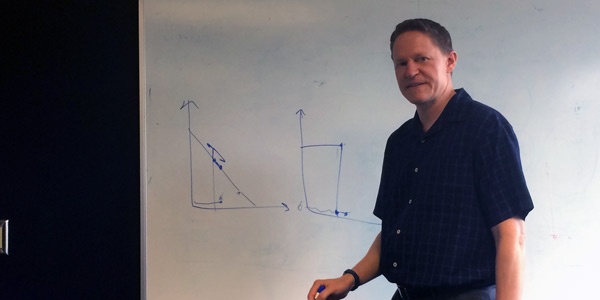
PJM’s proposal to create standardized contracts for establishing dynamic transfers with other balancing authority areas has provoked opposition.
Spectra Energy
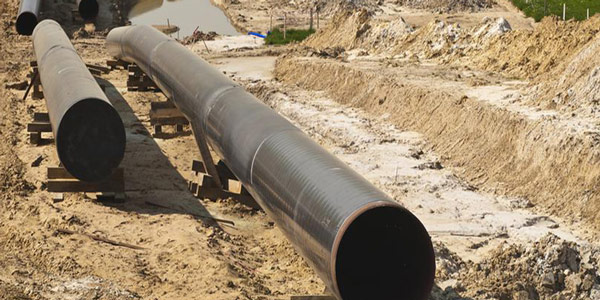
FERC ordered a technical conference on Algonquin Gas Transmission’s proposal to change the terms of its no-notice services.
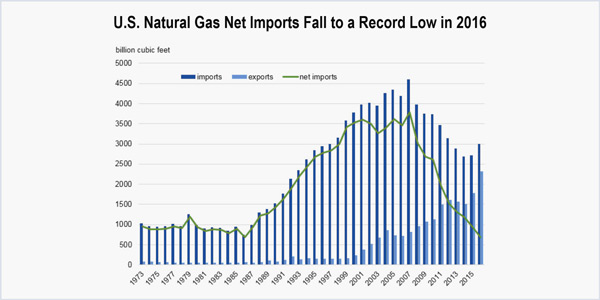
The U.S. is becoming a net exporter of natural gas for the first time since 1958, a boon to the nation but a source of concern for gas customers.
FERC rejected SPP’s proposed Tariff revisions requiring load-responsible entities (LREs) to maintain sufficient capacity and planning reserves.
PJM appears headed toward implementing a capacity construct that would reprice auction results to address the influence of subsidized generation offers.
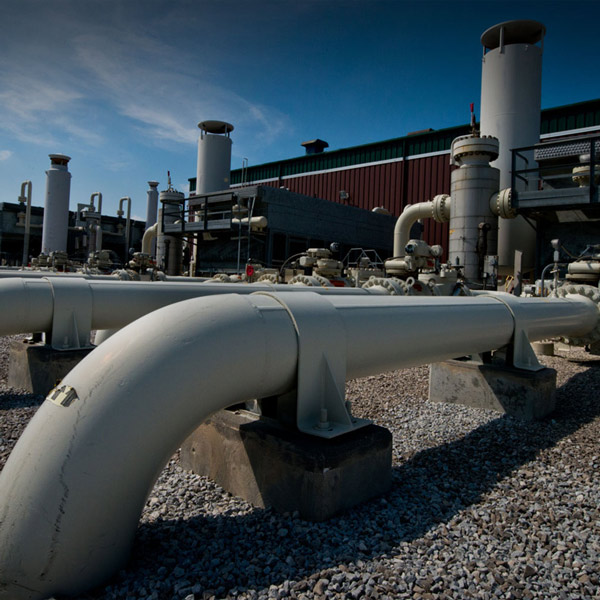
DTE Energy
FERC approved a MISO pilot program allowing the RTO to share information on power plants’ gas use with pipeline operators.
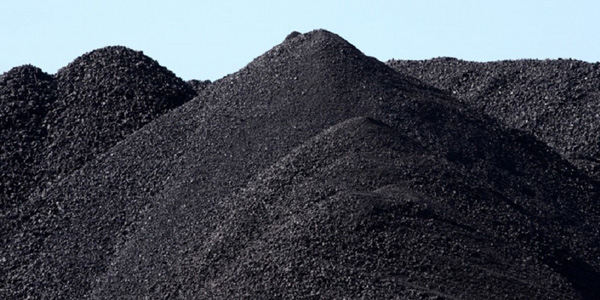
Worldcoal.org
A study for the American Coalition for Clean Coal Electricity (ACCCE) spotlighting the “resiliency” of coal-fired generation echoes the DOE's findings.

Mortenson Construction
ATC agreed to pay a fine and undergo a year of monitoring after failing to report more than 60 agreements and transactions to FERC over the past 16 years.

PJM and MISO provided updates on proposed pro forma pseudo-tie agreements, the “freeze date” on transmission rights and targeted transmission upgrades.
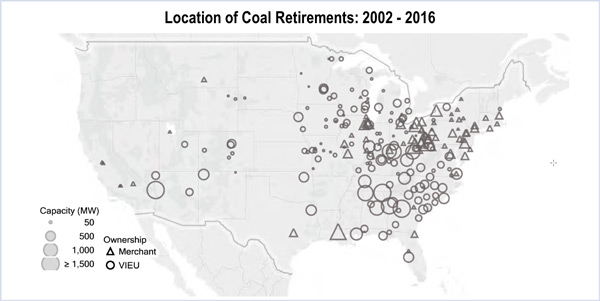
Coal's best hope may be that FERC adopt the DOE grid study's recommendation to lean on RTOs to value on-site fuel storage as a proxy for resiliency.
Want more? Advanced Search