Federal Energy Regulatory Commission (FERC)
The Federal Energy Regulatory Commission is an independent agency that regulates the interstate transmission of electricity, natural gas and oil; reviews proposals to build LNG terminals and interstate natural gas pipelines; and licenses hydropower projects. FERC also oversees operations of regional wholesale electricity and natural gas markets and oversees the reliability of the bulk electric system.
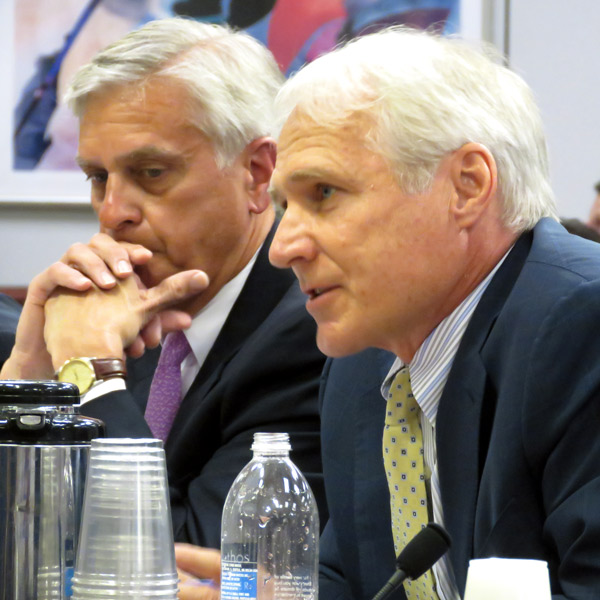
In response to a request for comments on paths to reconciling policies and wholesale markets, PJM officials told FERC they are pursuing three initiatives.
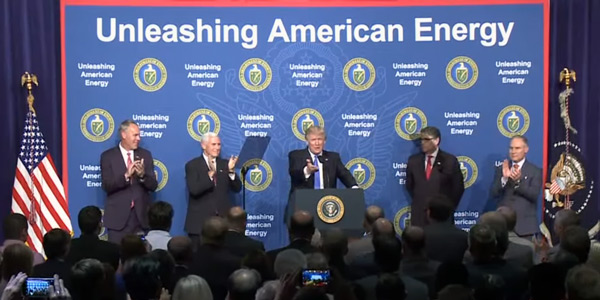
President Trump announced six “initiatives” in a speech at Energy Department headquarters Thursday, saying they would create “American energy dominance.”
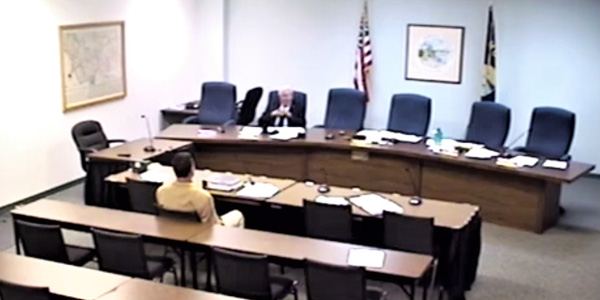
A microphone picked up Montana PSC Commissioner Bob Lake speaking privately about a recent decision to reduce solar QF's standard contract length.
A MISO plan to share generators’ hourly gas-burn estimates with natural gas pipeline operators needs more explanation before getting federal approval.

President Trump intends to nominate Richard Glick, general counsel for the Democrats on Senate ENR to replace FERC Commissioner Colette Honorable.
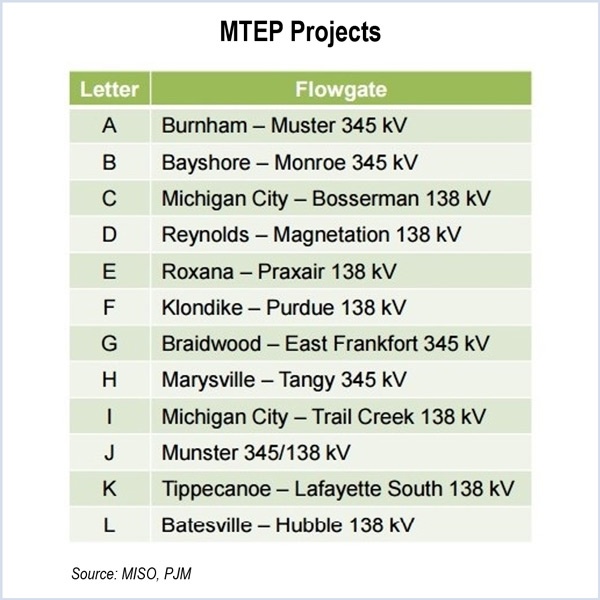
FERC approved a proposal by PJM and MISO to create a new category of interregional projects while cautioning that the measure could see revisions.
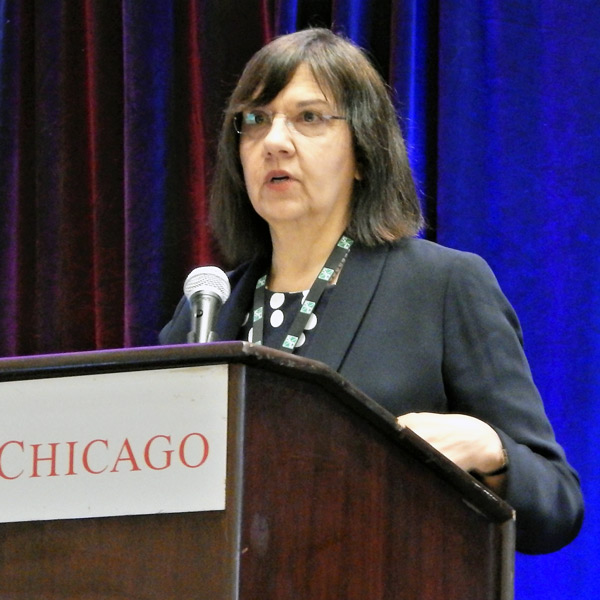
The Mid-America Regulatory Conference drew an above-capacity assembly of public utility regulators, legal counsel and other industry insiders.
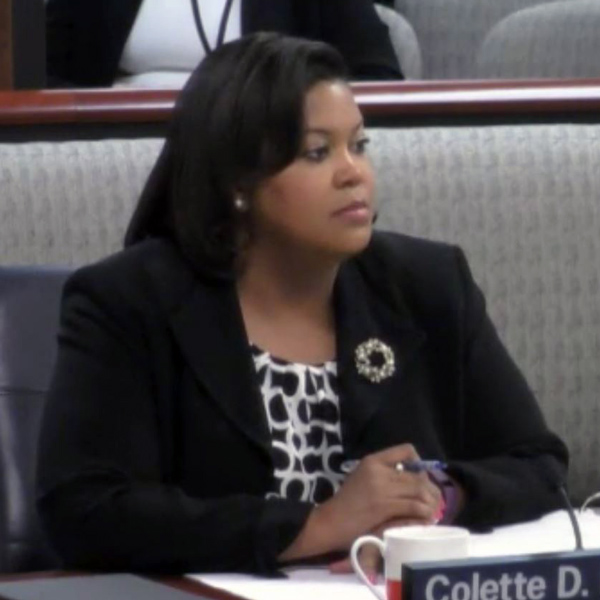
FERC Commissioner Colette Honorable tweeted late Monday night that Friday, June 30 (the last day of her term) would be her last day at the commission.
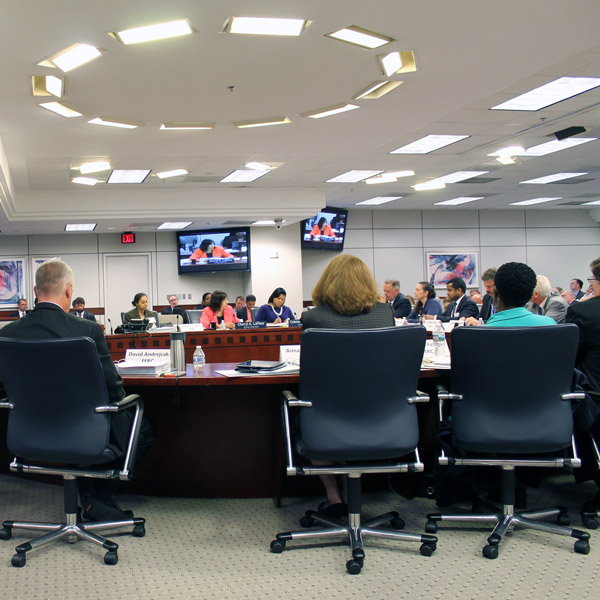
A decade of mandatory standards has improved the grid’s reliability, but it’s time for regulators to prune unnecessary rules, speakers told FERC.
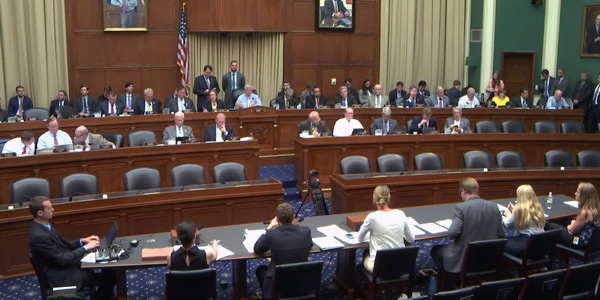
A proposed law giving FERC authority over the licensing of all hydropower projects has advanced to the House Energy and Commerce Committee.
Want more? Advanced Search