Federal Energy Regulatory Commission (FERC)
The Federal Energy Regulatory Commission is an independent agency that regulates the interstate transmission of electricity, natural gas and oil; reviews proposals to build LNG terminals and interstate natural gas pipelines; and licenses hydropower projects. FERC also oversees operations of regional wholesale electricity and natural gas markets and oversees the reliability of the bulk electric system.

FERC Commissioner Colette Honorable alluded to the uncertainty surrounding her tenure during a luncheon address at the Mid-America Regulatory Conference.
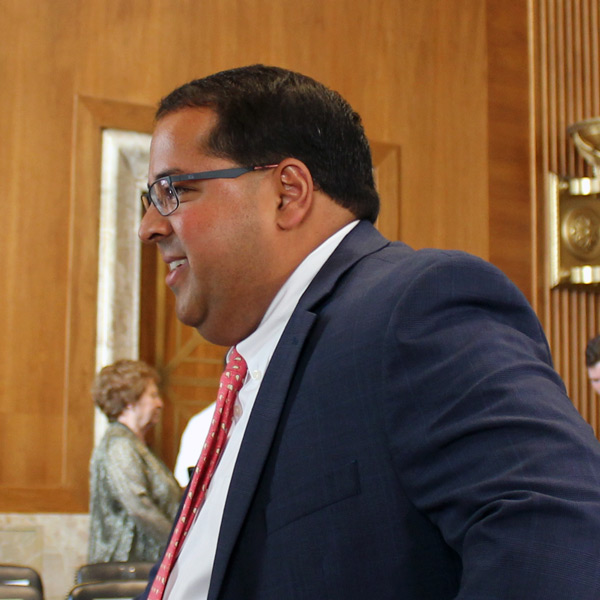
President Trump’s nominees to FERC gave boilerplate answers to senators’ questions on hydroelectric project licensing following their confirmation hearing.
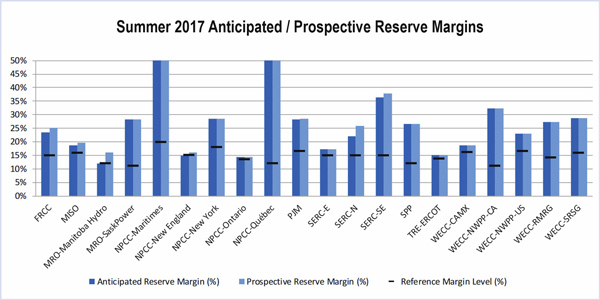
Planning reserve margins are expected to be adequate for a hotter-than-normal summer, FERC said in its annual summer reliability report.
DO NOT USE
The PJM Market Implementation Committee approved a problem statement to analyze potential changes in how energy efficiency resources participate in markets.
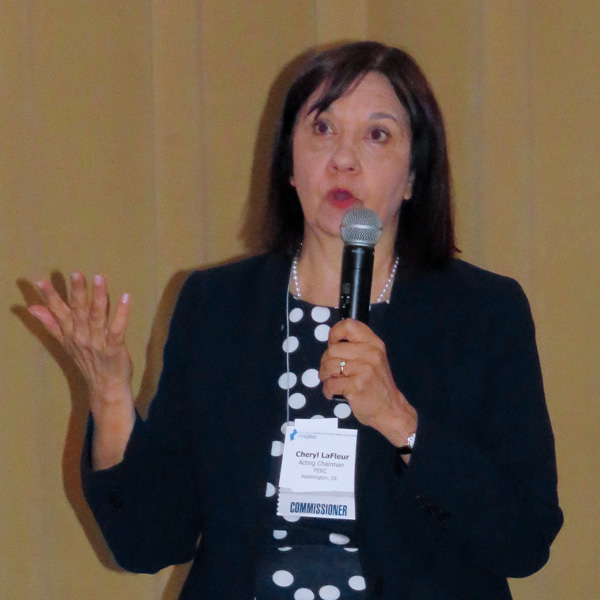
Acting FERC Chair Cheryl LaFleur expressed relief at the New England Conference of Public Utilities Commissioners’ (NECPUC) 70th Annual Symposium.
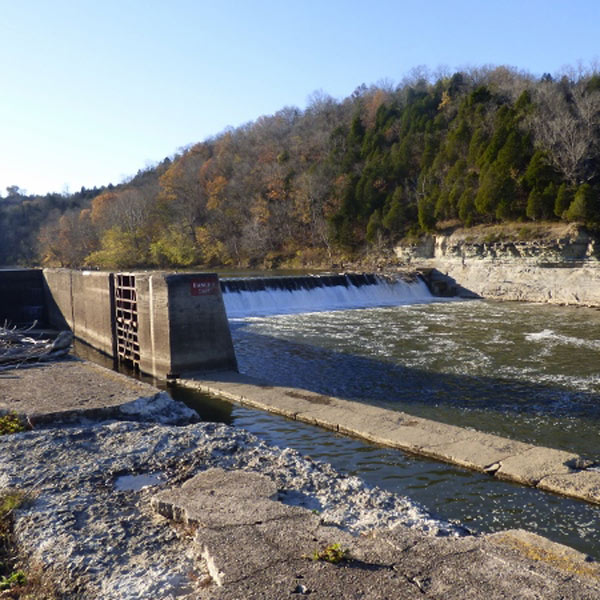
Developers of certain hydroelectric projects can feasibly get federal approval within two years under current regulations, FERC staff said in a report.
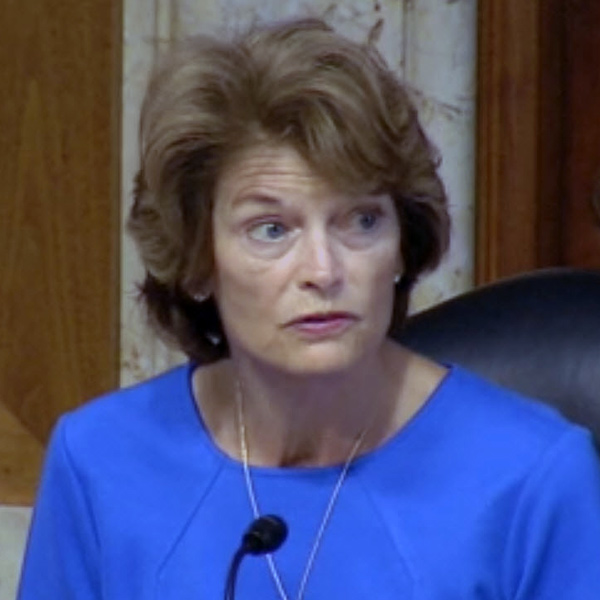
The Senate Energy and Natural Resources Committee voted 20-3 to advance Neil Chatterjee and Robert Powelson, President Trump’s nominees for FERC.
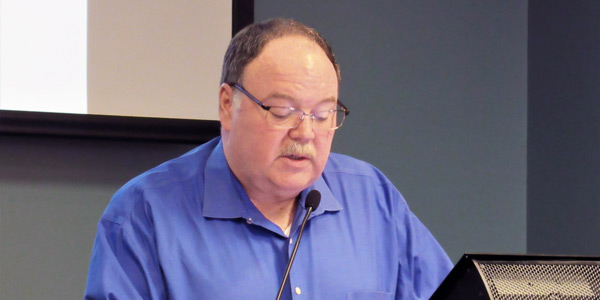
MISO is asking FERC to schedule a technical conference to clarify the rules governing the implementation and use of pseudo-ties.
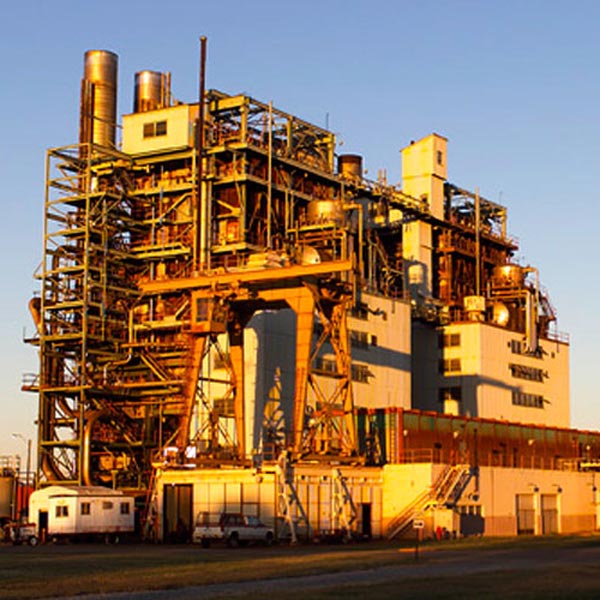
SPP stakeholders approved a revision request that allows the RTO to lower its planning reserve margin as it waits on a quorum-less FERC.
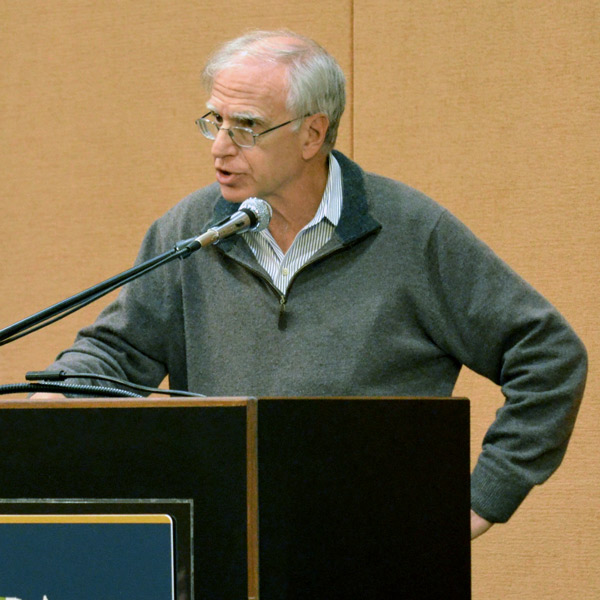
PURPA is outdated and in need of reforms to reflect the current markets, critics said during the annual Western Conference of Public Service Commissioners.
Want more? Advanced Search