Federal Energy Regulatory Commission (FERC)
The Federal Energy Regulatory Commission is an independent agency that regulates the interstate transmission of electricity, natural gas and oil; reviews proposals to build LNG terminals and interstate natural gas pipelines; and licenses hydropower projects. FERC also oversees operations of regional wholesale electricity and natural gas markets and oversees the reliability of the bulk electric system.
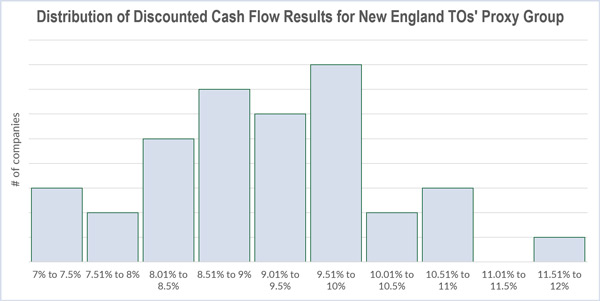
The D.C. Circuit overturned the 2014 FERC order setting the base return on equity (ROE) for a group of New England transmission owners at 10.57%.
SPP’s MOPC approved a revision request to comply with FERC guidance on the RTO’s disparate treatment of PTP and NITS during periods of redispatch.

The PJM Operating Committee discussed how difficult power demand was to forecast in March as a snowstorm was followed by exceptionally warm weather.
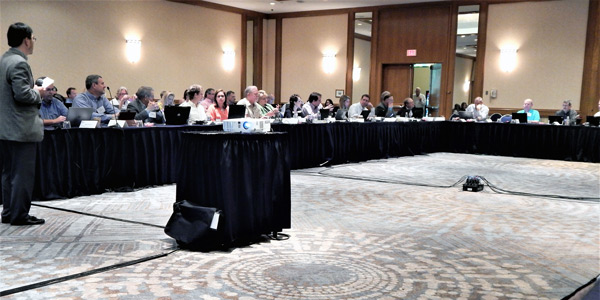
The SPP Markets and Operations Policy Committee discussed the logistics of adding Mountain West Transmission Group and MMU recommendations.
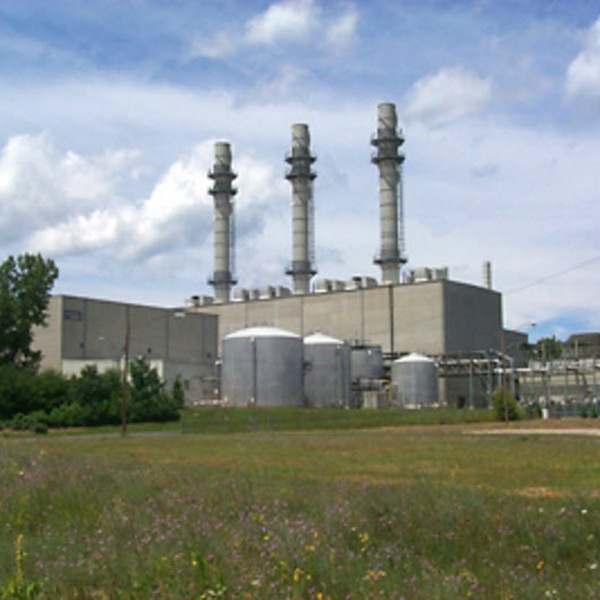
Maxim Power has closed a deal to sell its U.S. subsidiary and its five plants, concluding a two-year effort to stave off threats to the company’s survival.
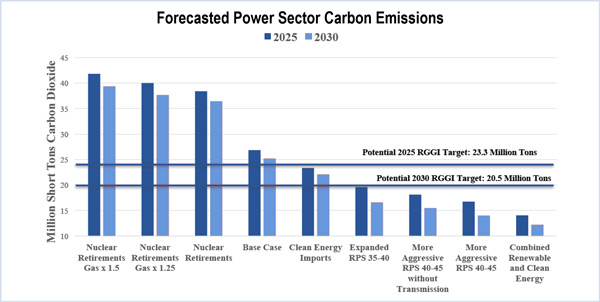
New England states will not have enough renewable resources to meet the 2025 and 2030 targets in current renewable portfolio standards.
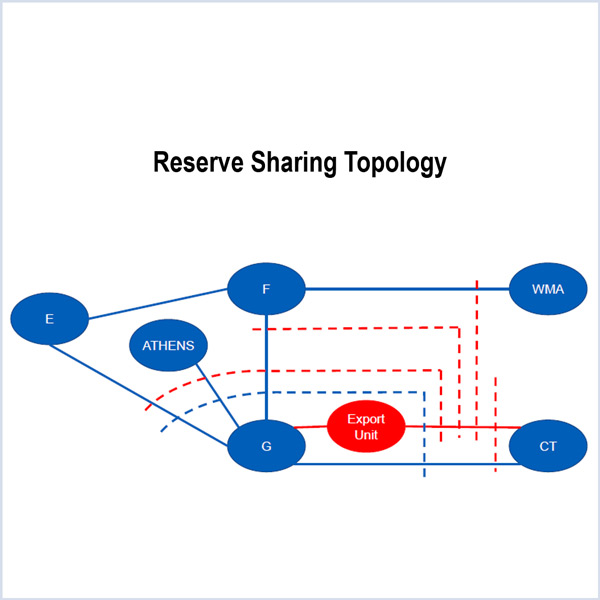
NYISO updated stakeholders on its response to concerns over capacity exports, providing a status report on modeling revisions.
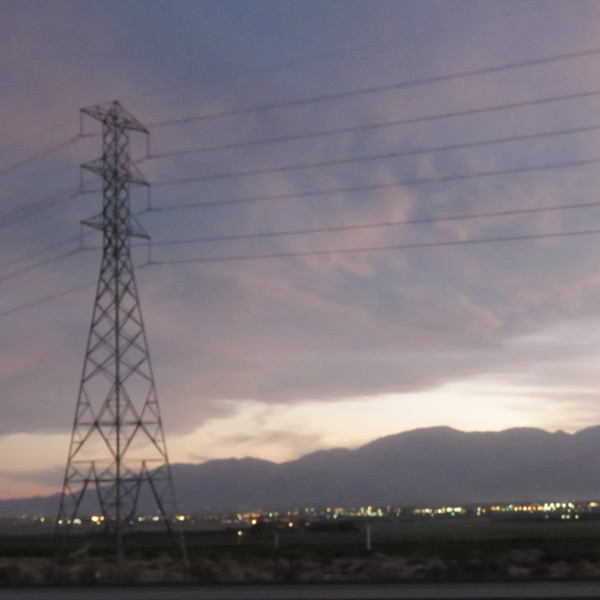
Columnist Steve Huntoon argues against the findings of a recent ASCE report on America's elecric infrastructure and ASCE responds with their view.
The SPP Z2 Task Force conducted a series of votes to determine potential alternatives to the RTO’s cumbersome crediting system for transmission upgrades.
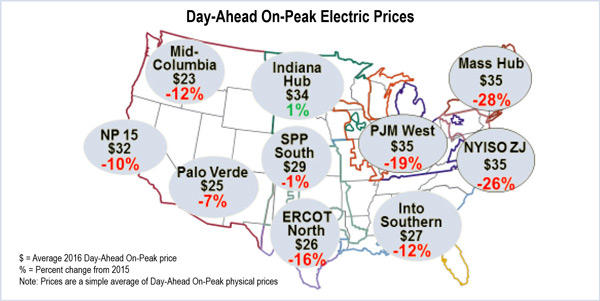
The warmest winter on record, plus increased pipeline capacity, led to record-low natural gas prices, FERC said in its annual State of the Markets Report.
Want more? Advanced Search