Federal Energy Regulatory Commission (FERC)
The Federal Energy Regulatory Commission is an independent agency that regulates the interstate transmission of electricity, natural gas and oil; reviews proposals to build LNG terminals and interstate natural gas pipelines; and licenses hydropower projects. FERC also oversees operations of regional wholesale electricity and natural gas markets and oversees the reliability of the bulk electric system.
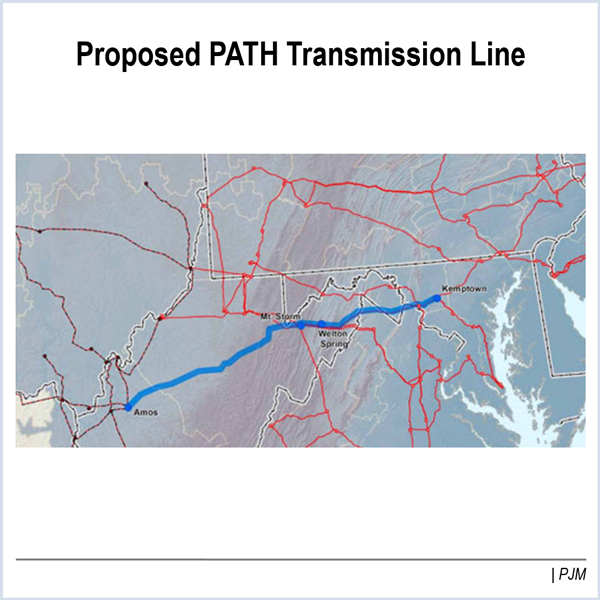
FERC ordered AEP and FirstEnergy to refund more than $6 million they recovered from ratepayers for the canceled PATH project in PJM.

SPP's Mike Ross told the Strategic Planning Committee that the industry can expect a future with less federal intervention under President Trump.
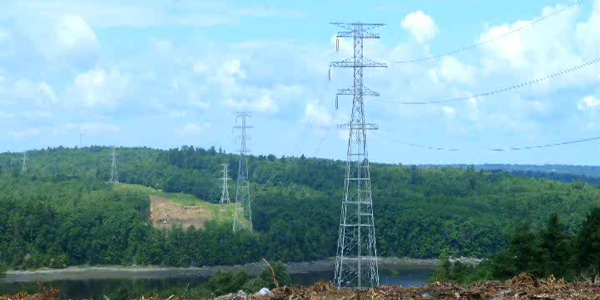
ISO-NE is seeking stakeholder comments on statutes and regulations that could require new transmission under the public policy conditions of FERC Order 1000.
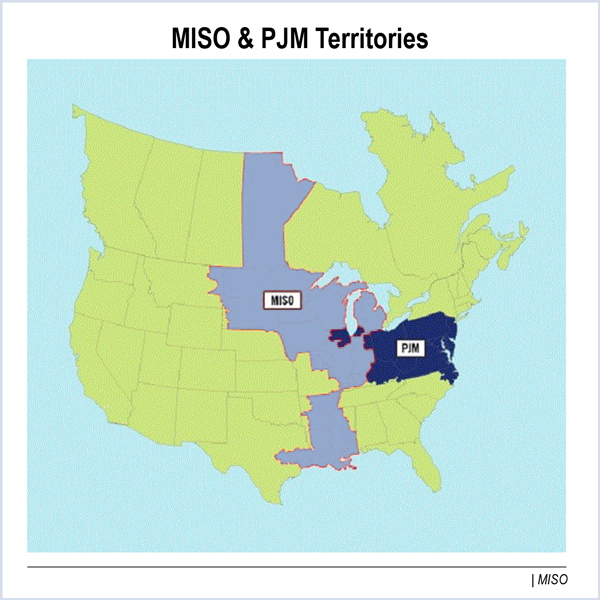
FERC found that MISO and PJM have largely complied with commission directives issued in an order resolving a complaint by NIPSCO over interregional planning
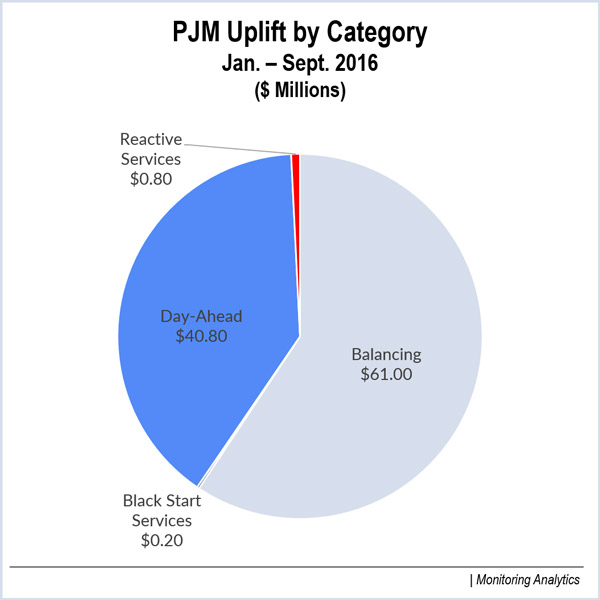
FERC proposed regulations intended to reduce uplift costs, allocate it more accurately and increase transparency.
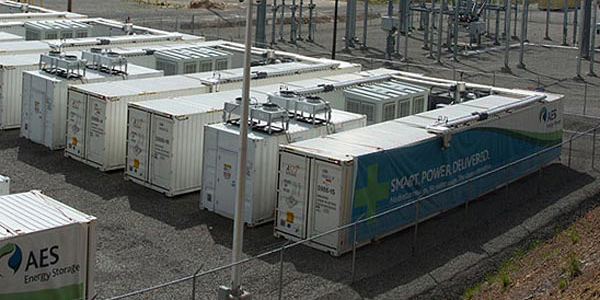
Energy storage facilities should be permitted to provide multiple services and earn both cost- and market-based revenues, FERC said in a policy statement.
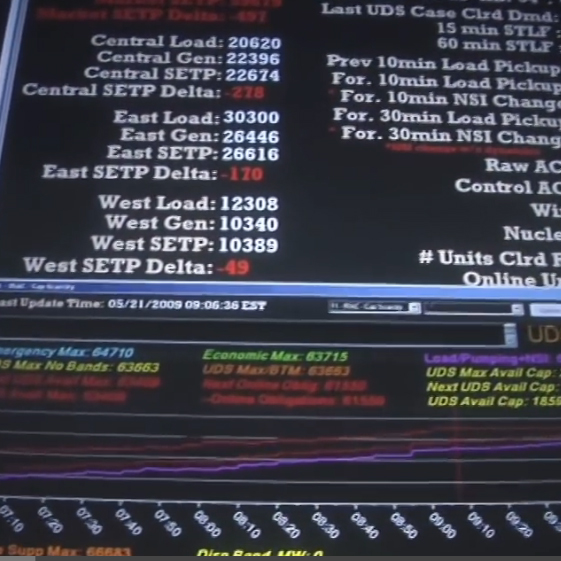
FERC approved a final rule on recovering from balancing contingency events and proposed another to ensure that remedial action schemes do not compromise reliability.
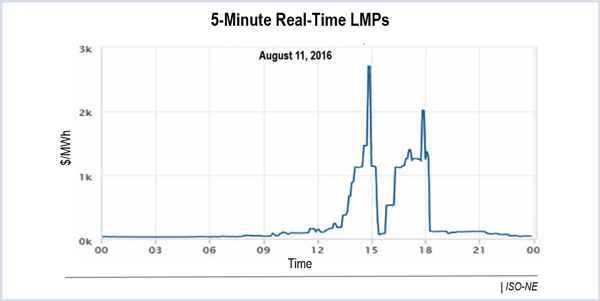
FERC granted a NEPGA complaint that a penalty imposed by ISO-NE during a heat wave proved that a rule intended to punish resource withholding is unjust.
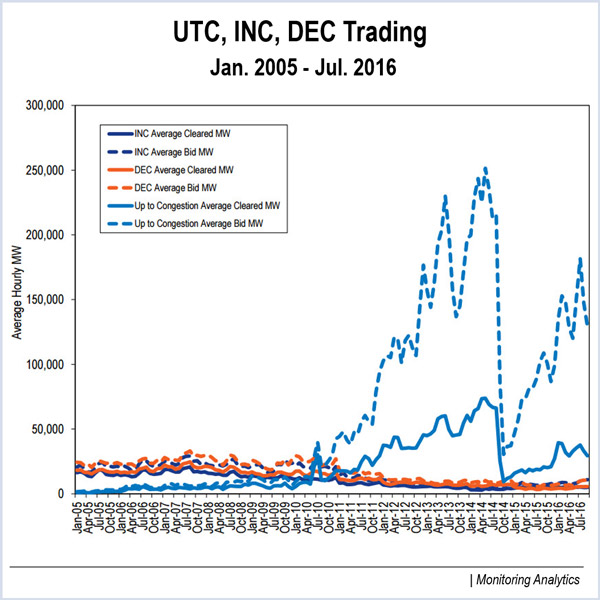
FERC rejected the PJM proposal for revising how it implements its FTR forfeiture rule, ordering the RTO to instead adopt an approach suggested by the IMM.
FERC denied a request to broaden a waiver providing relief to real-time emergency generation resources in ISO-NE.
Want more? Advanced Search