Federal Energy Regulatory Commission (FERC)
The Federal Energy Regulatory Commission is an independent agency that regulates the interstate transmission of electricity, natural gas and oil; reviews proposals to build LNG terminals and interstate natural gas pipelines; and licenses hydropower projects. FERC also oversees operations of regional wholesale electricity and natural gas markets and oversees the reliability of the bulk electric system.
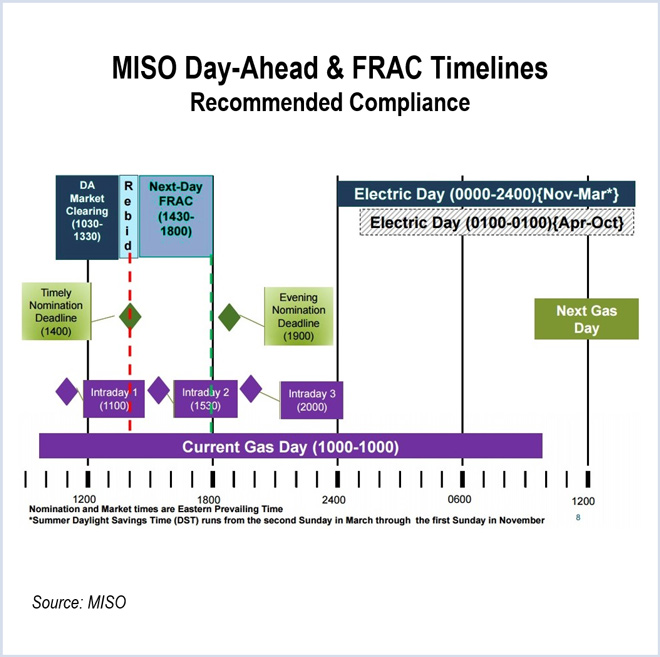
The MISO Market Subcommittee discussed daylight saving time, demand response and the Monitor's latest report.
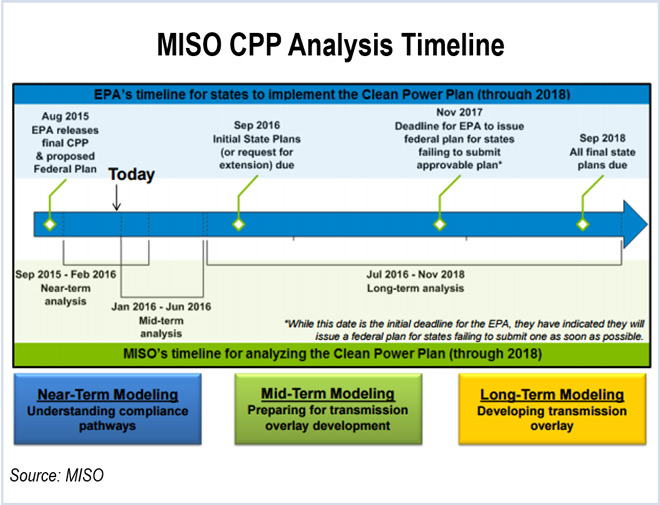
MISO's 15 states may be able to comply with the Clean Power Plan through 2025 by redispatching the RTO’s generation fleet.
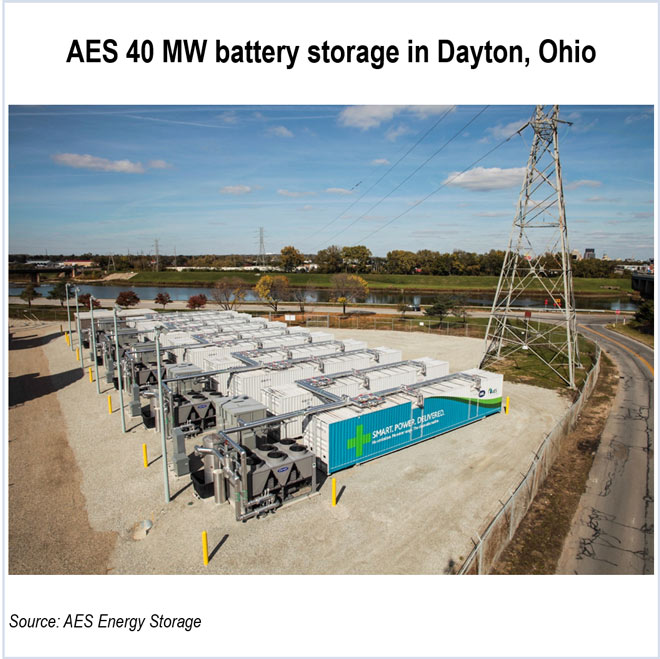
With several projects being considered, MISO Energy is beginning a look at rule changes needed to accommodate energy storage.

FERC issued a show cause order demanding more than $42 million from Coaltrain Energy.
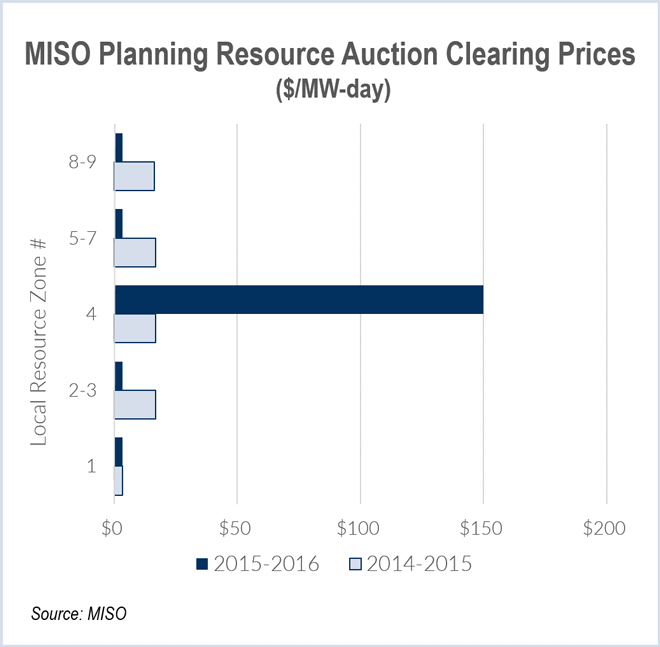
FERC has ordered MISO to change the way it conducts capacity auctions beginning with the 2016/17 auction in April.
This week's FERC and federal briefs include news on natural gas pipelines, the EPA ozone rule and spent nuclear fuel.
FERC denied rehearing of its June decision certifying the ninth Forward Capacity Auction results in ISO-NE.
The conference will explore PJM's claim that its existing rules on FTRs and auction revenue rights are unjust and unreasonable.
The 9th Circuit Court of Appeals last week sided with FERC in the latest chapter of the long-running legal dispute over the California-West Coast energy crisis of 2000-2001.
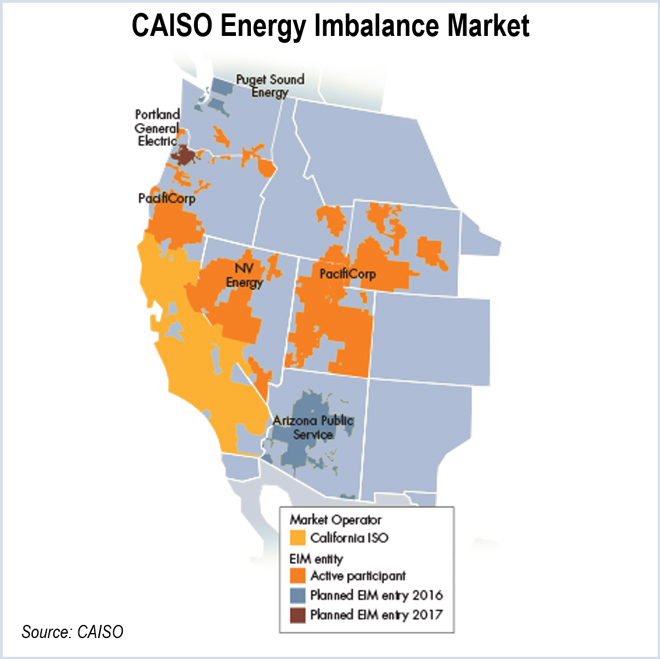
CAISO told FERC that its software’s inability to recognize available balancing capacity was creating false scarcity in the market.
Want more? Advanced Search