Federal Energy Regulatory Commission (FERC)
The Federal Energy Regulatory Commission is an independent agency that regulates the interstate transmission of electricity, natural gas and oil; reviews proposals to build LNG terminals and interstate natural gas pipelines; and licenses hydropower projects. FERC also oversees operations of regional wholesale electricity and natural gas markets and oversees the reliability of the bulk electric system.
The 9th Circuit Court of Appeals last week sided with FERC in the latest chapter of the long-running legal dispute over the California-West Coast energy crisis of 2000-2001.
At an Advisory Committee “hot topic” discussion, some stakeholders cautioned MISO against taking CPP policy positions, while others said the RTO should help guide the states to the most economical compliance options.
This week's federal briefs include news on NRC oversight of the Indian Point and Davis-Besse nuclear plants, and FERC oversight of pipeline projects.
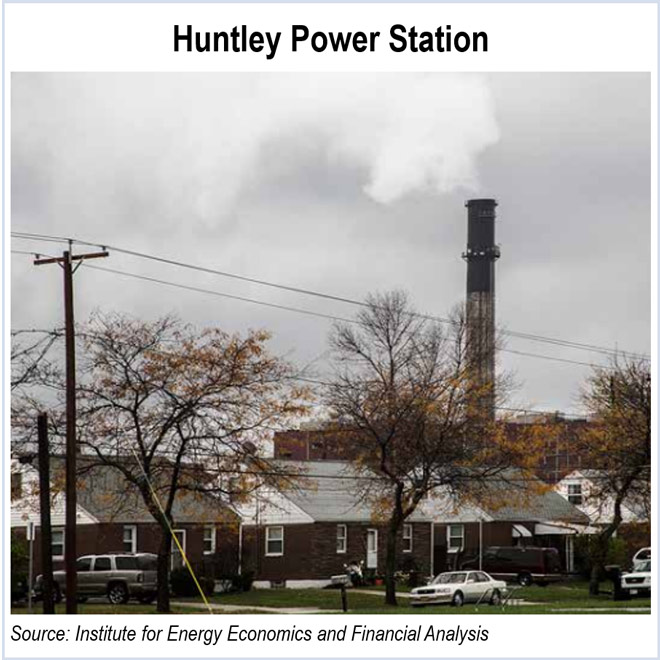
NRG said that it may only need to continue operating one of the two units at the Huntley plant.
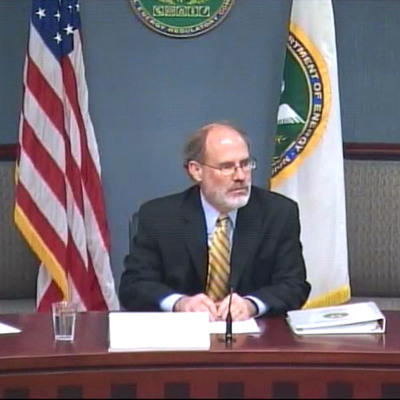
FERC's proposed rule would require RTOs and ISOs to register market participants through common alpha-numeric identifiers.
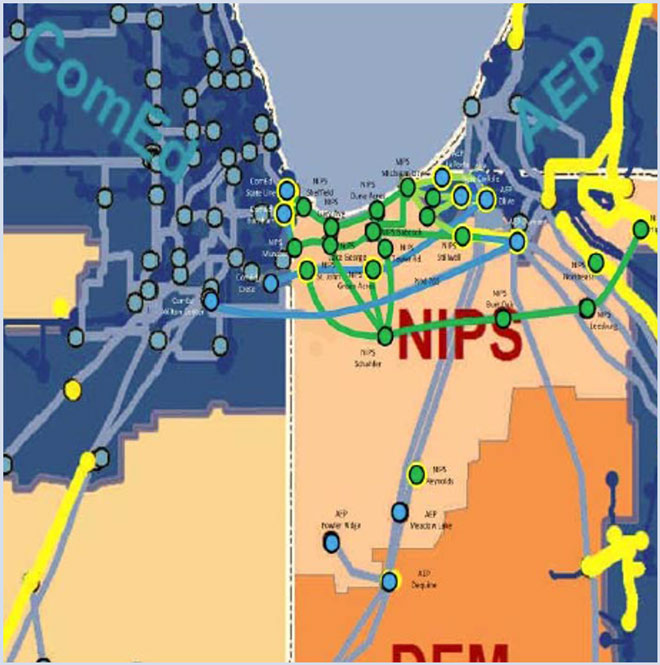
The threshold was identified as an obstacle to transmission projects that could ease constraints along the PJM-MISO seam.
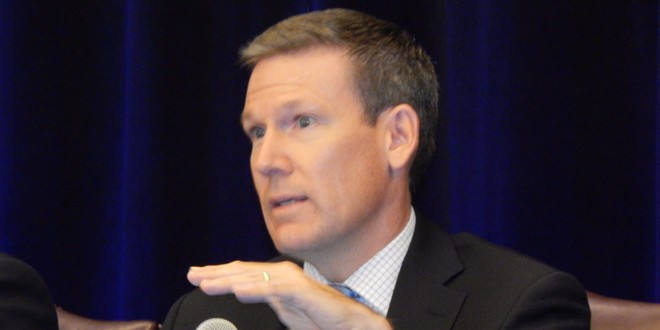
Tony Clark and his FERC colleagues were summoned to Capitol Hill to answer Republican criticism that the commission isn’t approving gas infrastructure fast enough.
NYISO says the proposed rules will more closely reflect the real-time value of demand response.
Generators are protesting the way in which ISO-NE is calculating its installed capacity requirement for its 10th Forward Capacity Auction.
Iowa officials told FERC that ITC Midwest is overcharging its customers for network upgrades because it isn’t applying for tax breaks to which it is entitled.
Want more? Advanced Search