Federal Energy Regulatory Commission (FERC)
The Federal Energy Regulatory Commission is an independent agency that regulates the interstate transmission of electricity, natural gas and oil; reviews proposals to build LNG terminals and interstate natural gas pipelines; and licenses hydropower projects. FERC also oversees operations of regional wholesale electricity and natural gas markets and oversees the reliability of the bulk electric system.
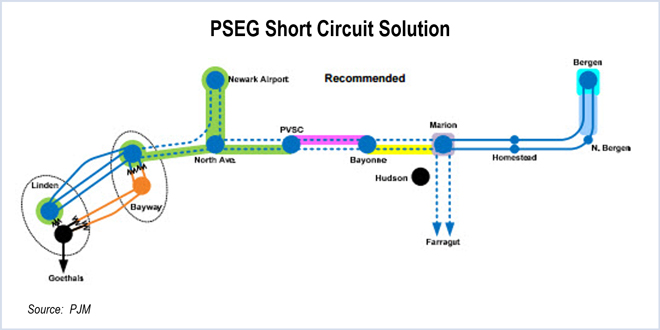
Con Ed said it may end its use of the wheel when its current term expires on April 30, 2017.

The Clean Power Plan may face an uncertain future in the courts, but investors and utility executives said it won’t upset the long-term shift away from coal-fired generation and toward increased efficiency.
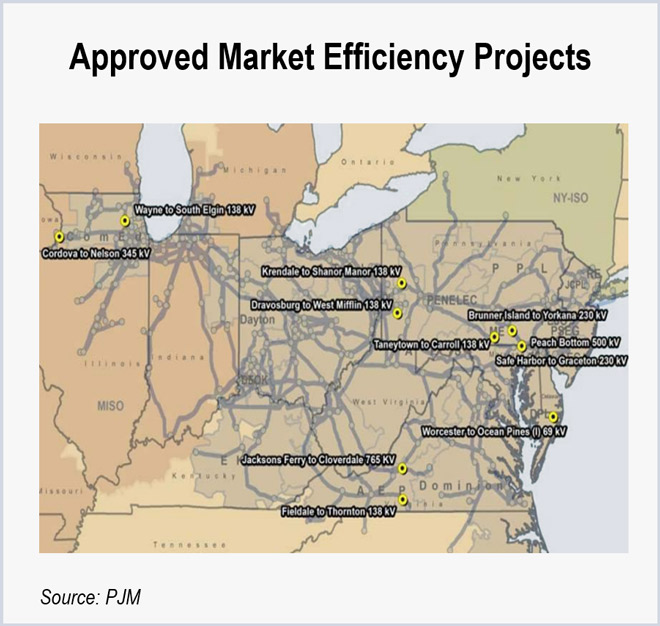
PJM asked FERC to approve cost responsibilities for $687 million in transmission upgrades included in a revised RTEP.

Meet Montana’s Travis Kavulla, who is not only in his second term on the state’s PSC but also president of NARUC.
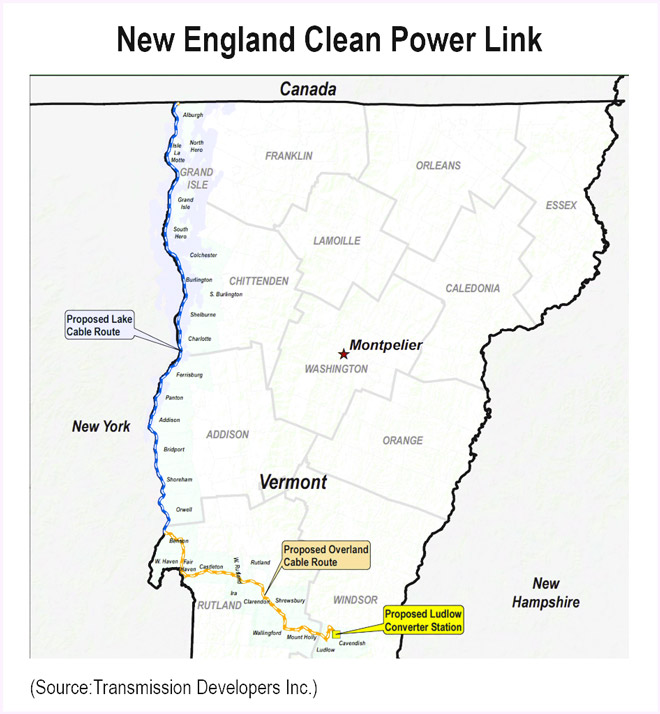
The Energy Department recommended approval of a presidential permit for the New England Clean Power Link, which would transmit 1,000 MW of Canadian hydropower into New England.
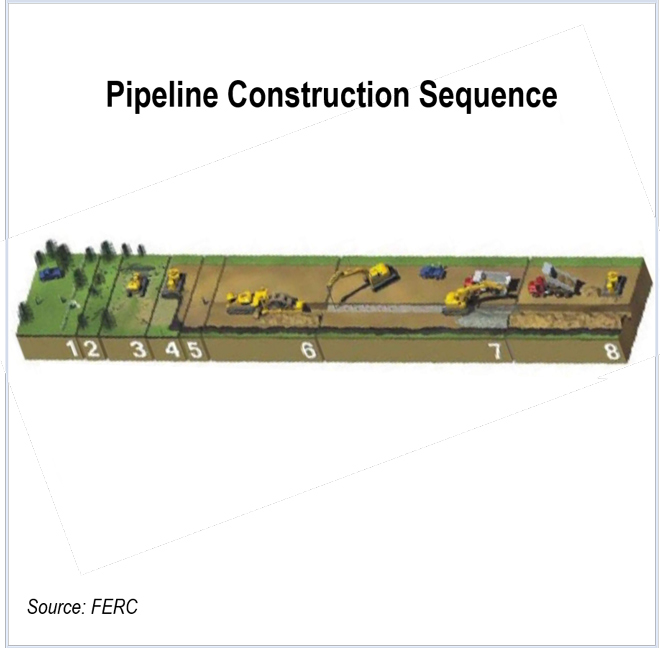
FERC staff has concluded that a 13.5-mile natural gas pipeline expansion to serve increased demand in Connecticut will have “no significant” environmental impact.
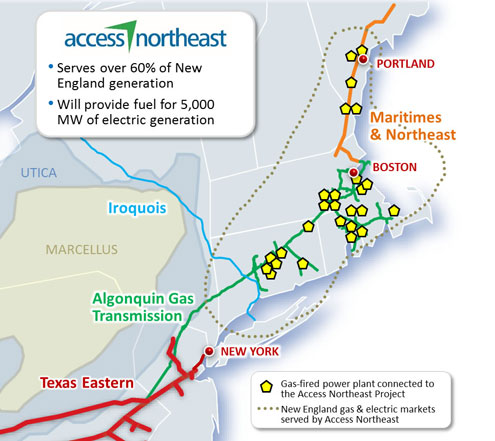
Spectra Energy’s Algonquin Gas Transmission asked FERC to grant permission for the pre-filing review on the proposed Access Northeast project by Nov. 13.
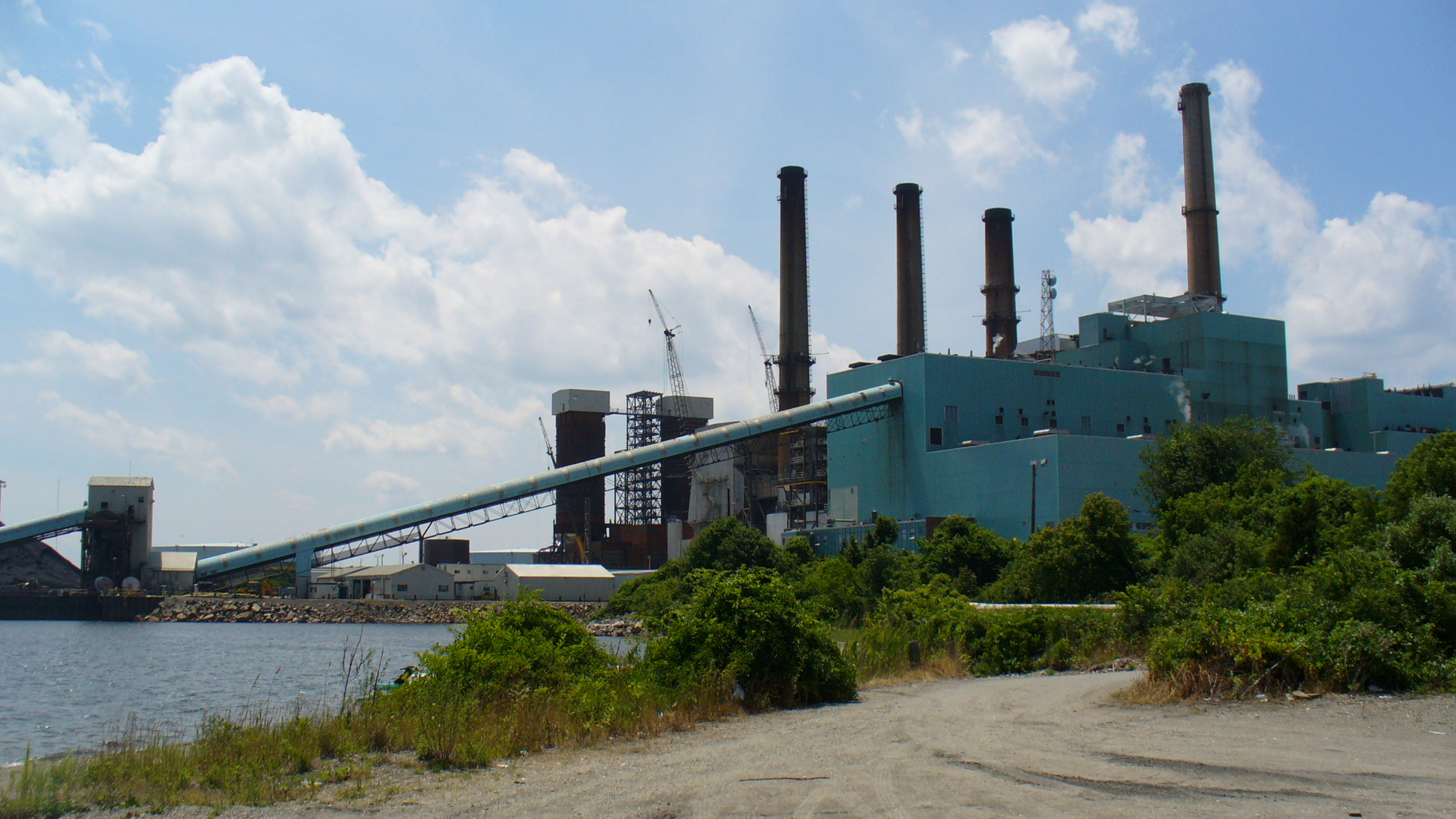
FERC has again denied a rehearing request by Public Citizen over the results of ISO-NE’s eighth Forward Capacity Auction.

The Northeast may be further along than most regions in meeting the EPA’s new carbon emission rules, but it also faces challenges procuring clean energy.

A 2007 article in the Energy Law Journal by Michael H. Dworkin and Rachel Aslin Goldwasser gave perhaps the definitive answer of what an RTO is.
Want more? Advanced Search