Federal Energy Regulatory Commission (FERC)
The Federal Energy Regulatory Commission is an independent agency that regulates the interstate transmission of electricity, natural gas and oil; reviews proposals to build LNG terminals and interstate natural gas pipelines; and licenses hydropower projects. FERC also oversees operations of regional wholesale electricity and natural gas markets and oversees the reliability of the bulk electric system.

NYISO and SPP told FERC last week it should reject transmission developers’ protests to their recent Order 1000 compliance filings.

Grid operators have asked CFTC to remove language from a draft order that they say could undermine the broad exemptions the commission granted them in 2013.
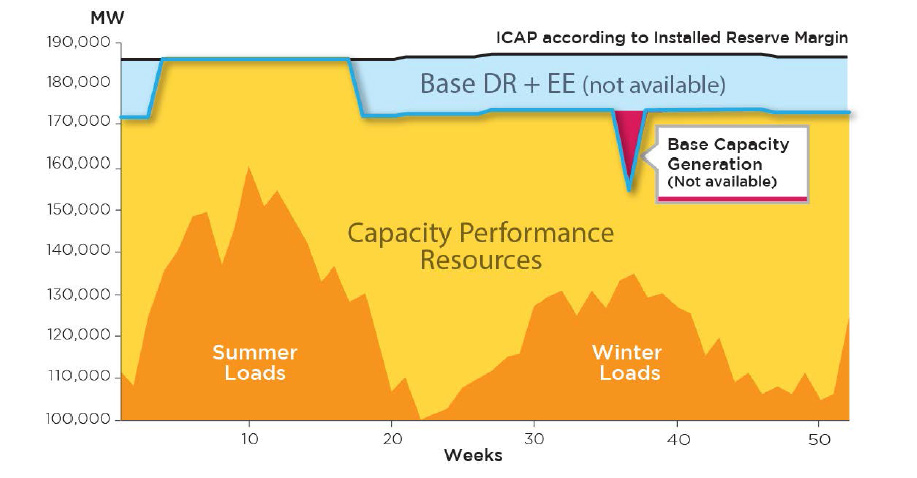
PJM on Thursday delayed a vote on manual changes for the Capacity Performance plan, sidestepping a potential confrontation with anxious stakeholders.
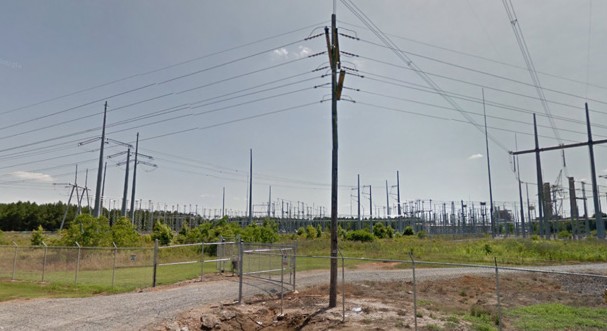
FERC denied the Louisiana Public Service Commission’s request to reconsider Entergy’s allocation of transmission upgrade costs at its Ouachita power plant.
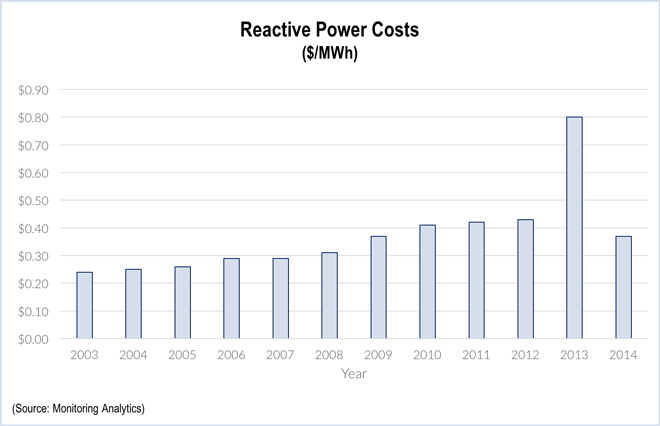
PJM generating companies that deactivate or transfer ownership of units in their fleet will have to revise their reactive power rates or explain why they have decided not to to FERC.

This week's FERC and federal briefs include news on the Nuclear Regulatory Commission, the U.S. Senate and the Department of Energy.
The Federal Energy Regulatory Commission last week proposed revisions to several sets of reliability standards.

Five small, rural utilities have won the right to continue their fight against 24 of MISO’s large transmission-owning members, whom the utilities contend are earning too much.
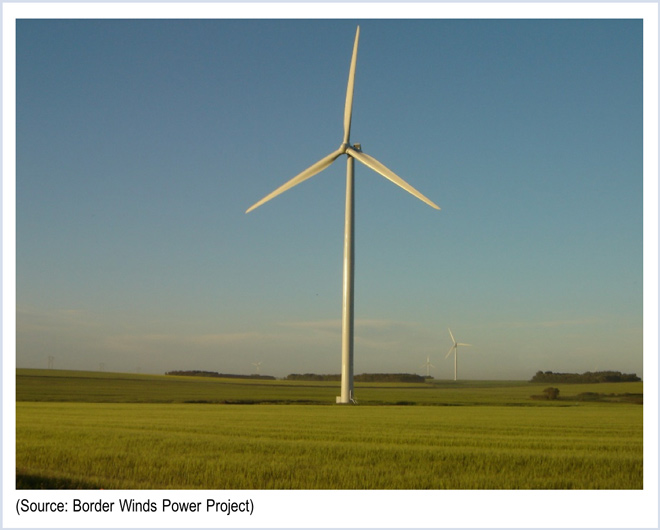
MISO should eliminate the right of transmission owners to dictate how interconnection customers pay for network upgrades, FERC ruled.
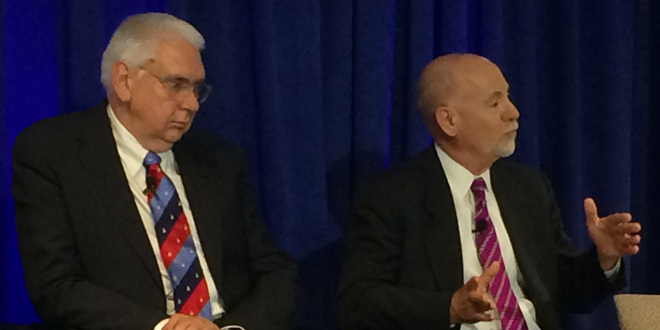
Speakers at the PJM Grid 20/20 symposium discussed the challenges of the electric industry’s historic shift to natural gas.
Want more? Advanced Search