Federal Energy Regulatory Commission (FERC)
The Federal Energy Regulatory Commission is an independent agency that regulates the interstate transmission of electricity, natural gas and oil; reviews proposals to build LNG terminals and interstate natural gas pipelines; and licenses hydropower projects. FERC also oversees operations of regional wholesale electricity and natural gas markets and oversees the reliability of the bulk electric system.

Maggie Henry, an elderly organic farmer from Western Pennsylvania, has joined in protesting FERC's approval of natural gas projects and fracking.
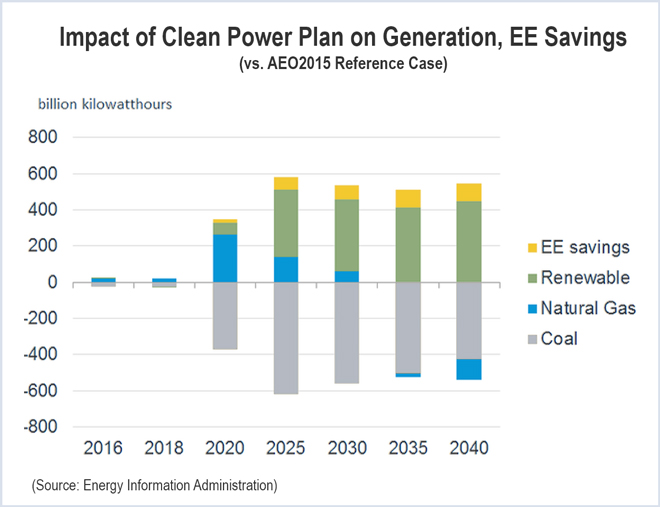
This week's FERC and federal briefs include news on the Energy Information Administration, the Environmental Protection Agency and the Energy Department.

Protesters are descending on D.C. throughout this week to protest FERC and its approval of natural gas infrastructure projects.
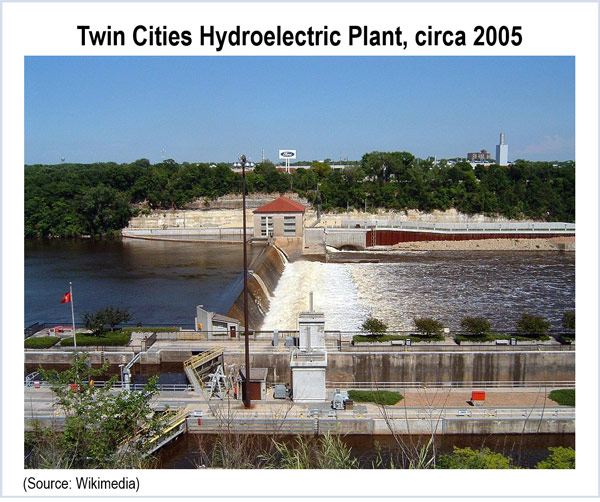
FERC denied an application by Northern States Power to terminate its mandatory purchase obligation from Twin Cities Hydro.
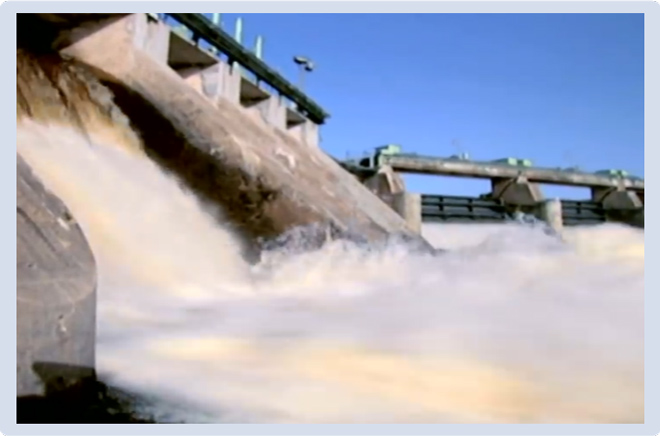
FERC proposed Thursday to change when it assesses annual charges to hydropower operators that are not state and municipal entities.
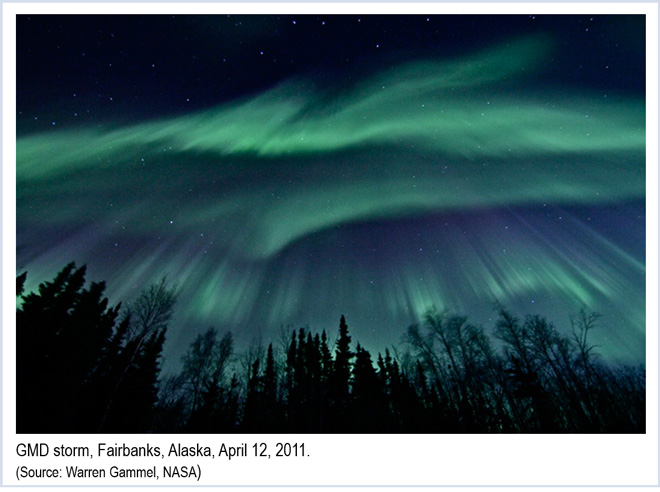
FERC gave preliminary approval to the second stage of its reliability standard to protect the grid from geomagnetic disturbances (GMD).

States and federal regulators need to keep consumers in mind when picking jurisdictional fights over control of the electric industry, FERC Commissioner Tony Clark said.

FERC said single-step discounted cash flow (DCF) analyses that it formerly used are adequate to support rate complaints made before it changed the rules.
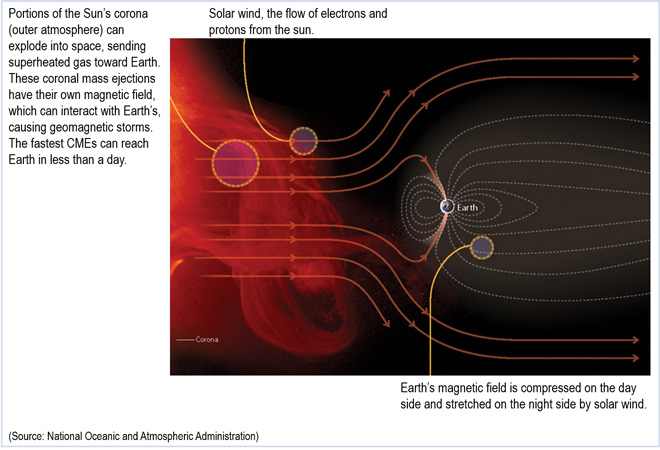
FERC has required NERC to determine the severity of a “benchmark” GMD event — the threshold against which covered entities would evaluate their system’s vulnerability and develop protective strategies.

FERC completed its initial review of all interregional transmission planning compliance filings required under Order 1000 on Thursday.
Want more? Advanced Search