Federal Energy Regulatory Commission (FERC)
The Federal Energy Regulatory Commission is an independent agency that regulates the interstate transmission of electricity, natural gas and oil; reviews proposals to build LNG terminals and interstate natural gas pipelines; and licenses hydropower projects. FERC also oversees operations of regional wholesale electricity and natural gas markets and oversees the reliability of the bulk electric system.
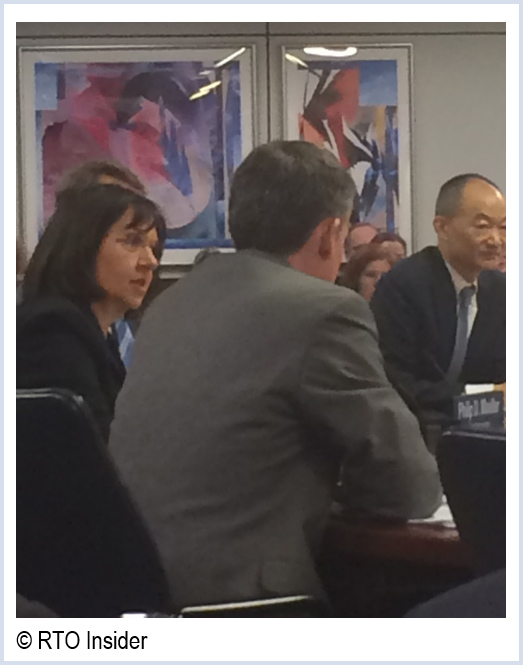
Chairman Cheryl LaFleur gaveled her final Federal Energy Regulatory Commission open meeting last week, nearing the end of a tumultuous 16-month term.
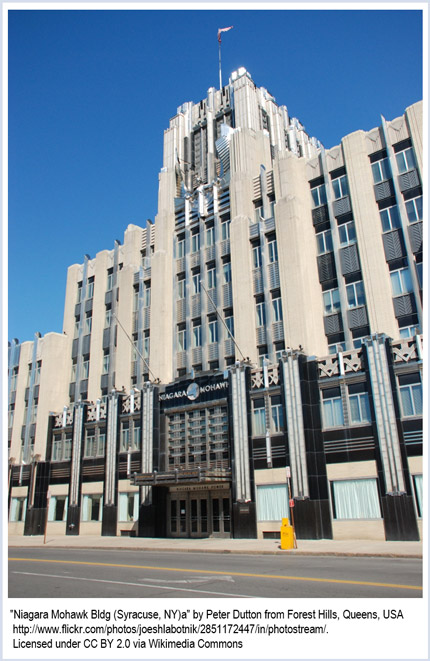
Trial staff at FERC has recommended approval of a settlement that would reduce the return on equity of Niagara Mohawk to 10.03% from the current 11.5%.
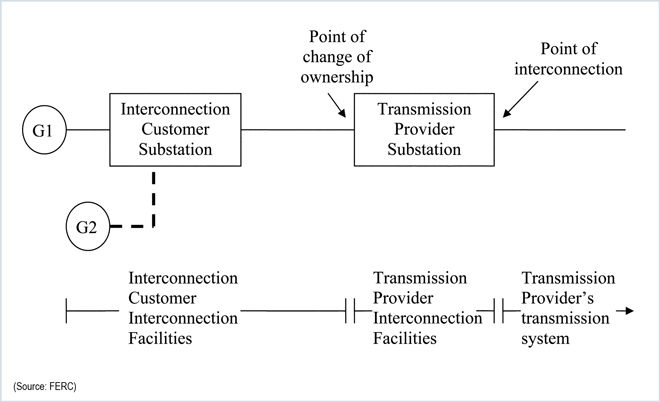
Generation owners will be exempted from FERC OATT rules, allowing them to reserve excess capacity on their tie lines for the first five years of operation.
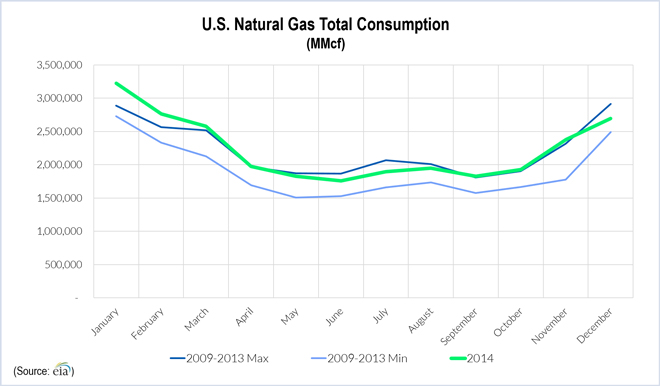
Natural gas demand and production both set records in 2014, while gas trading declined for the fourth straight year, FERC reported last week.
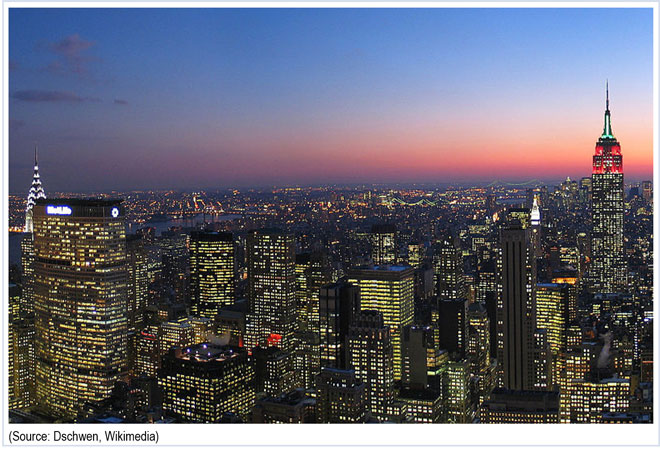
FERC last week left intact most of its 2010 order meant to mitigate market power in the installed capacity market in New York City.

FERC rejected an SPP proposal to review the information that transmission owners include in their initial revenue requirement filings after joining the RTO.
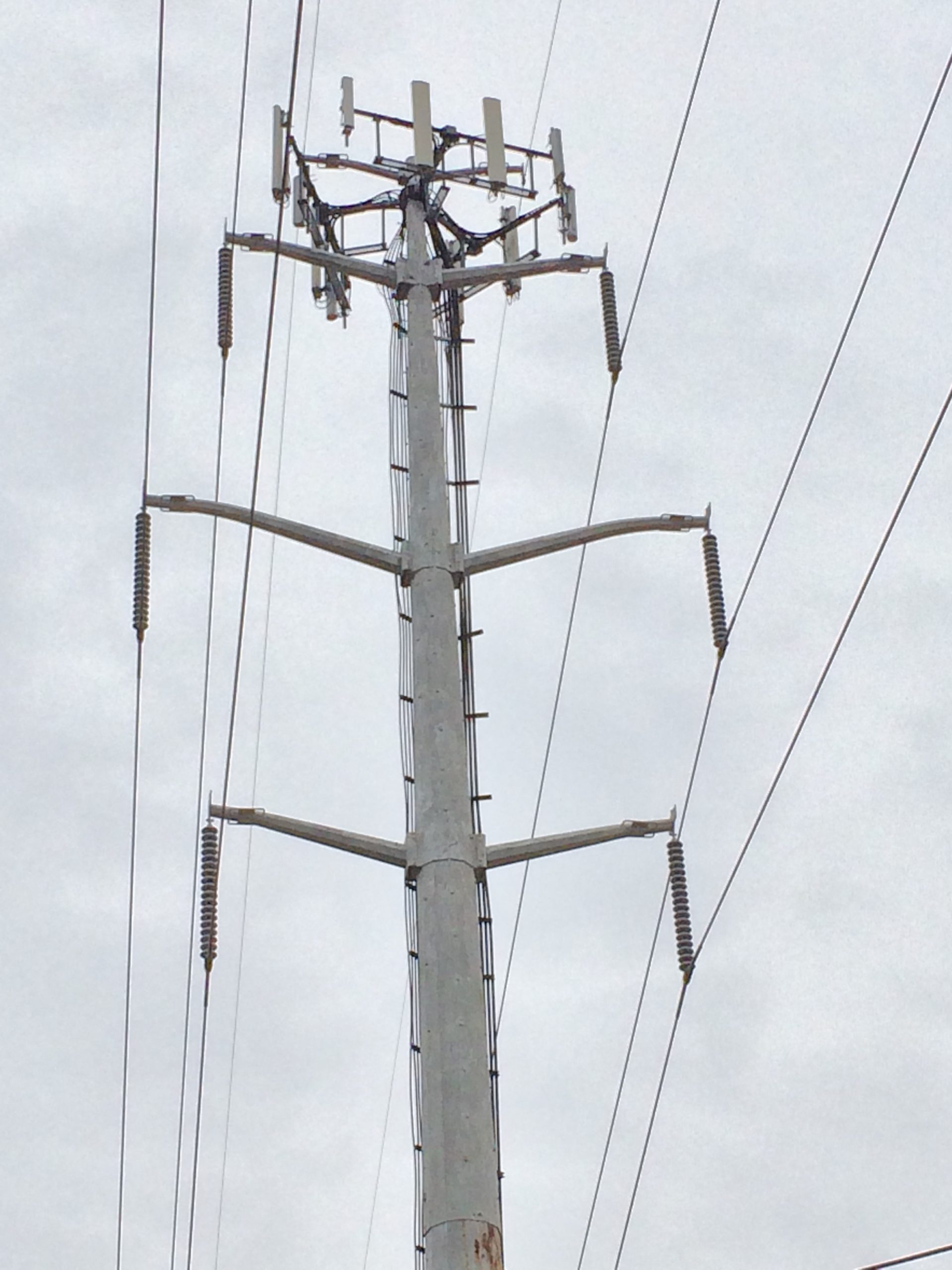
A divided FERC accepted the second regional compliance filing by ISO-NE to implement Order 1000, a filing that had languished for more than a year.
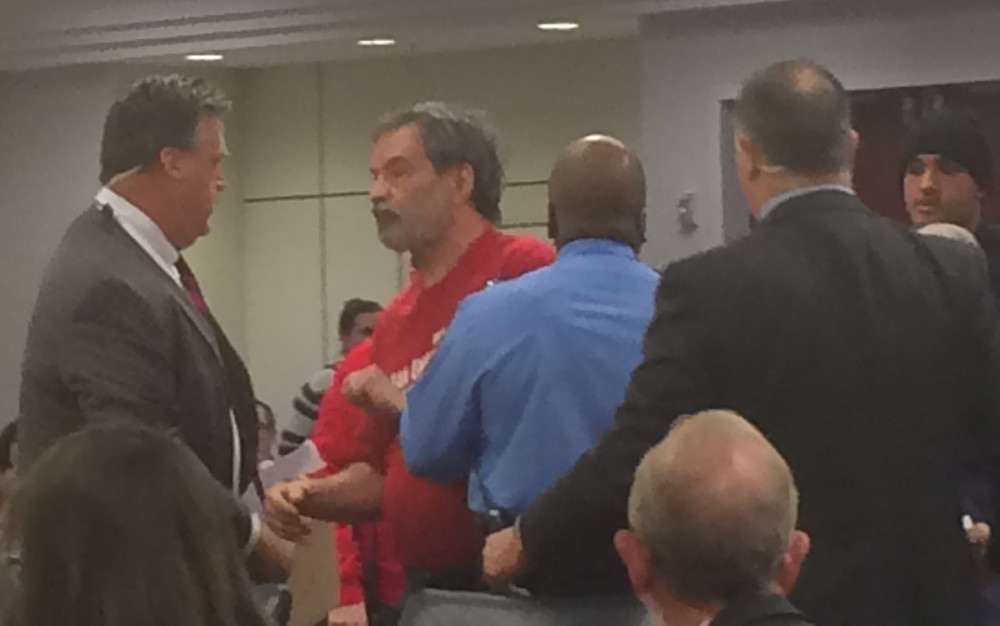
About 10 protesters were led or carried out of the FERC open meeting today after defying the commission’s “no interruptions” rule with chants of “Stop construction at Cove Point!”

Borrowing language from other federal agencies, FERC issued an order “to clarify that the term ‘observe’ does not include disruptive behavior.”

News briefs on FERC and the federal agencies that impact those doing business in the RTO footprints. This week we include the NRC, EPA, the Energy Department and Congress.
Want more? Advanced Search