
Federal Energy Regulatory Commission (FERC)
The Federal Energy Regulatory Commission is an independent agency that regulates the interstate transmission of electricity, natural gas and oil; reviews proposals to build LNG terminals and interstate natural gas pipelines; and licenses hydropower projects. FERC also oversees operations of regional wholesale electricity and natural gas markets and oversees the reliability of the bulk electric system.

Questions multiplied faster than answers last week following an appellate court ruling that threw out FERC's jurisdiction over demand response (DR) compensation.
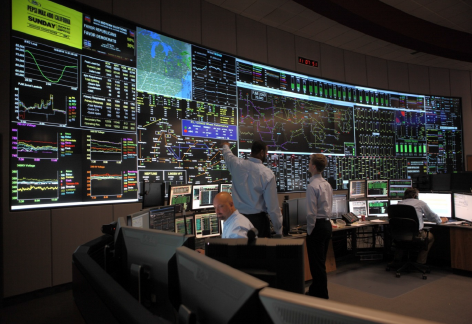
Transcripts filed in Duke Energy's "stranded gas" complaint offer a behind-the-scenes look at PJM operations under extreme stress.
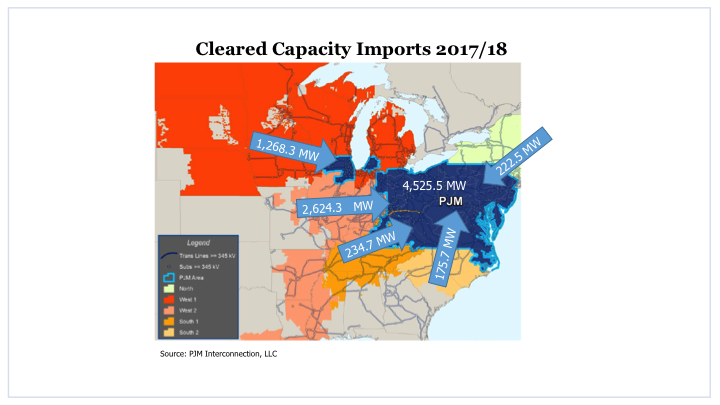
PJM rule changes since last year’s auction resulted in reductions in cleared generation imports and demand response. The mix of DR that cleared also changed, with more annual resources and less summer-only.
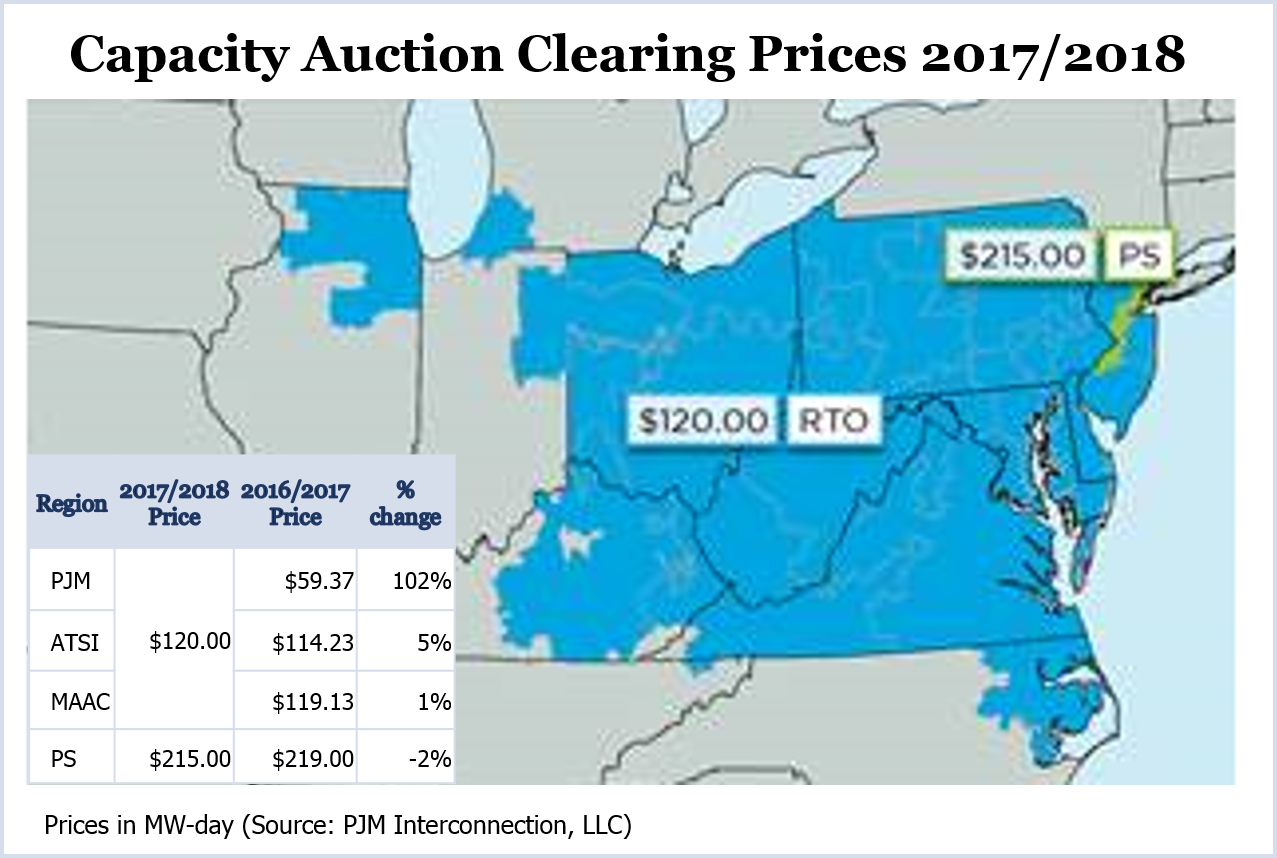
The 2017/2018 capacity auction cleared at $120/MW-day in most of PJM as restrictions on demand response and imports doubled prices in Virginia, West Virginia, North Carolina and much of Ohio. Prices were essentially flat in the East.
The 2017/2018 capacity auction cleared at $120/MW-day in most of PJM as restrictions on demand response and imports doubled prices in Virginia, West Virginia, North Carolina and much of Ohio. Prices were essentially flat in the East.
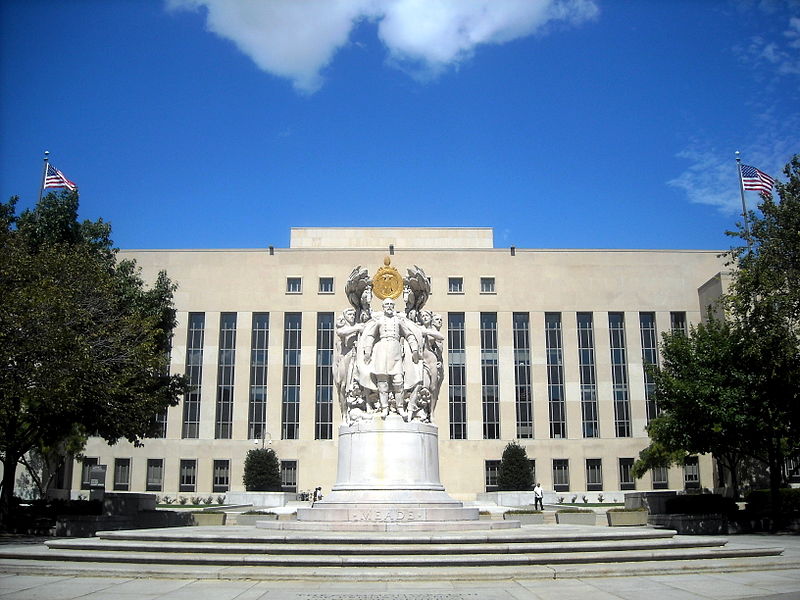
A FERC rule requiring PJM and other RTOs to pay demand response market clearing prices violates state ratemaking authority, a federal appeals court ruled today.
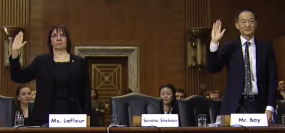
FERC Commissioner Cheryl LaFleur sailed through her Senate confirmation hearing Tuesday while Norman Bay was forced to defend his limited policy experience and his running of the commission’s enforcement division. He also found himself having to negotiate a gender politics minefield.

Environmentalists were outraged by EPA's cooling water rule while industry groups praised the agency's flexibility.
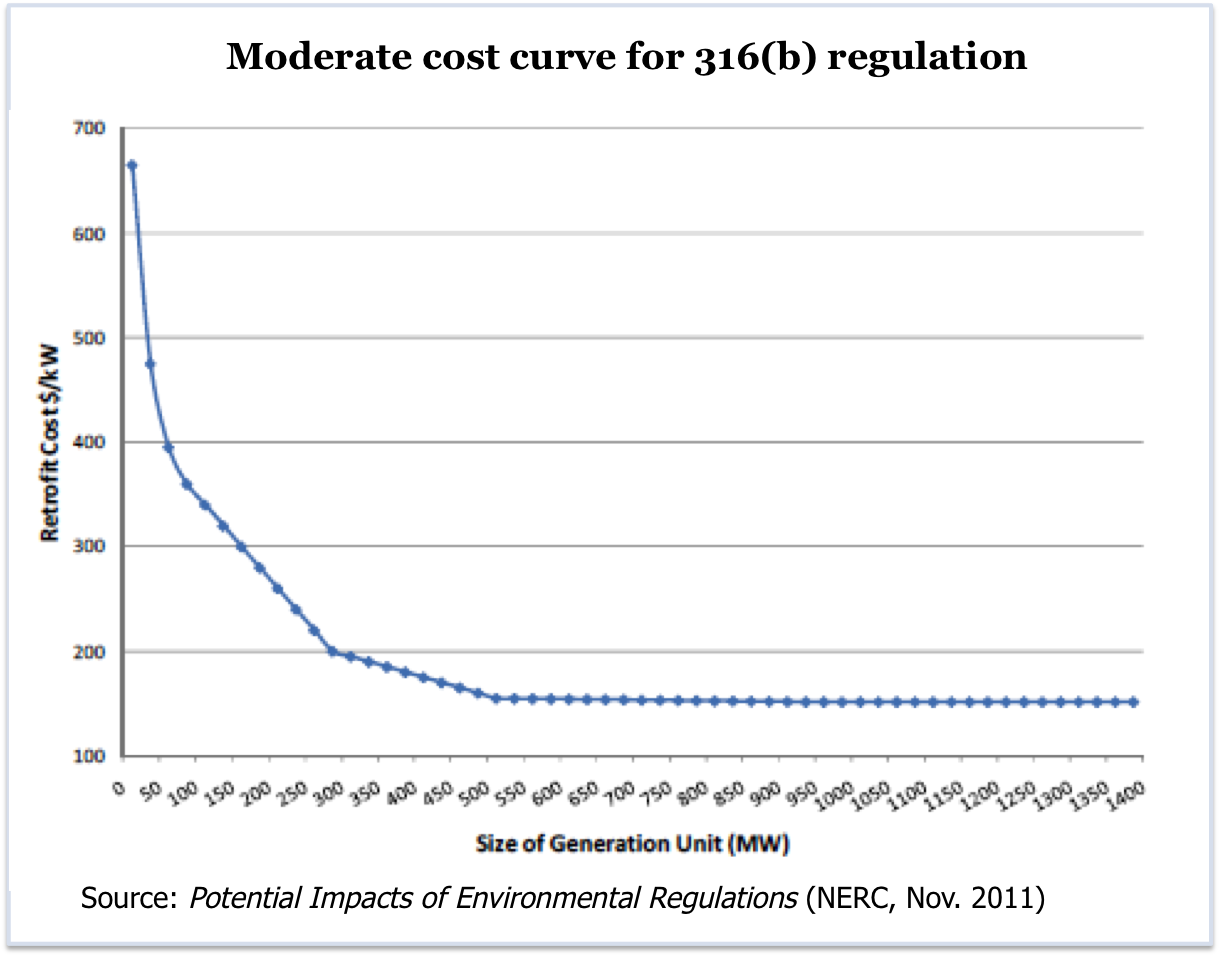
PJM could lose as much as 7,000 MW of generation by 2018 under long-awaited cooling-water regulations approved late yesterday by the Environmental Protection Agency.
What plants are covered by EPA's cooling water rule and what do they have to do?
Want more? Advanced Search
