
Federal Energy Regulatory Commission (FERC)
The Federal Energy Regulatory Commission is an independent agency that regulates the interstate transmission of electricity, natural gas and oil; reviews proposals to build LNG terminals and interstate natural gas pipelines; and licenses hydropower projects. FERC also oversees operations of regional wholesale electricity and natural gas markets and oversees the reliability of the bulk electric system.

EPA Secretary Gina McCarthy yesterday continued her charm offensive in advance of the agency’s ghg rules for existing power generators, acknowledging that the tough work is only just beginning.
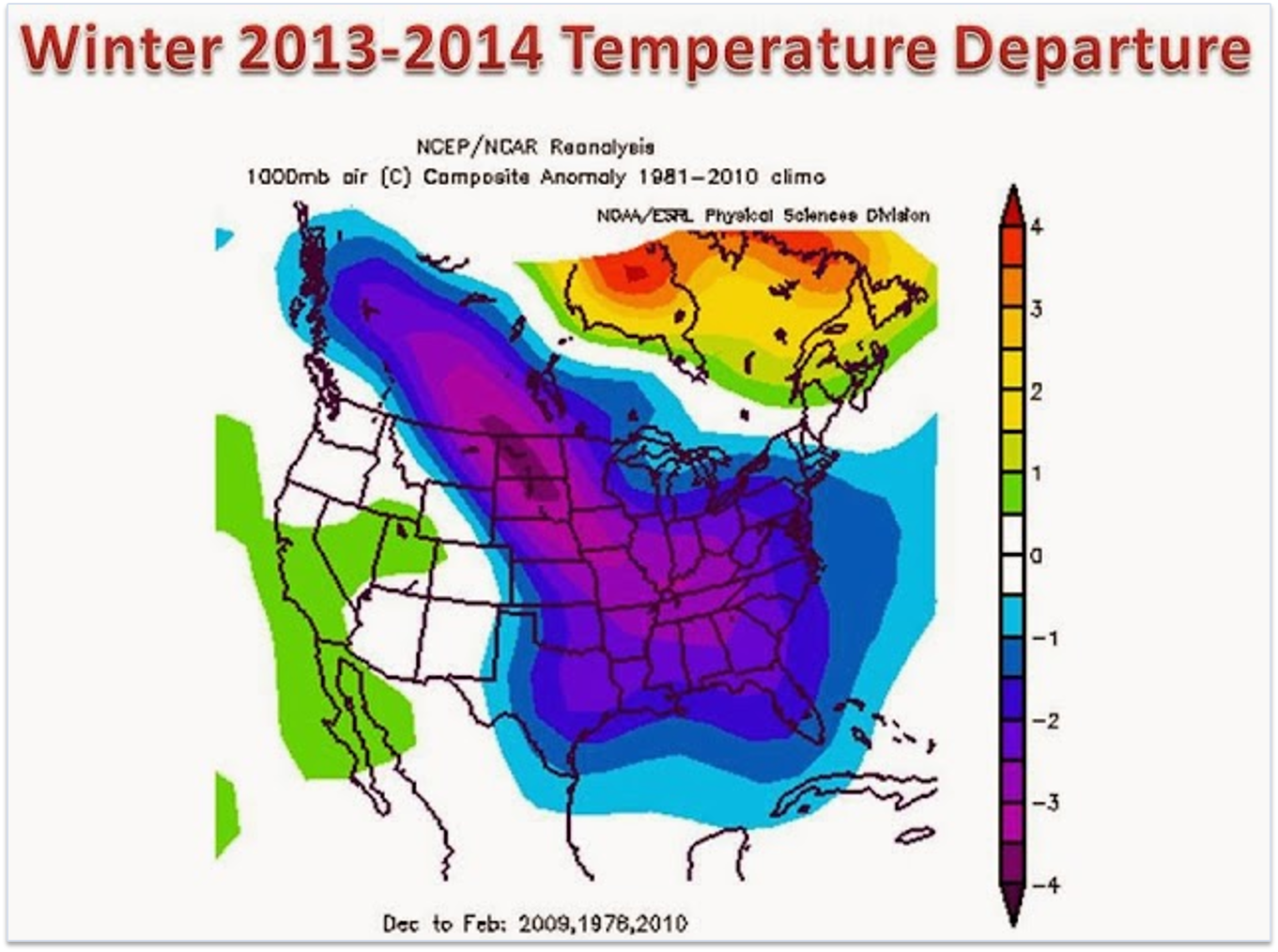
A look at how MISO and the Northeast RTOs are planning to cope with winter 2014-15.
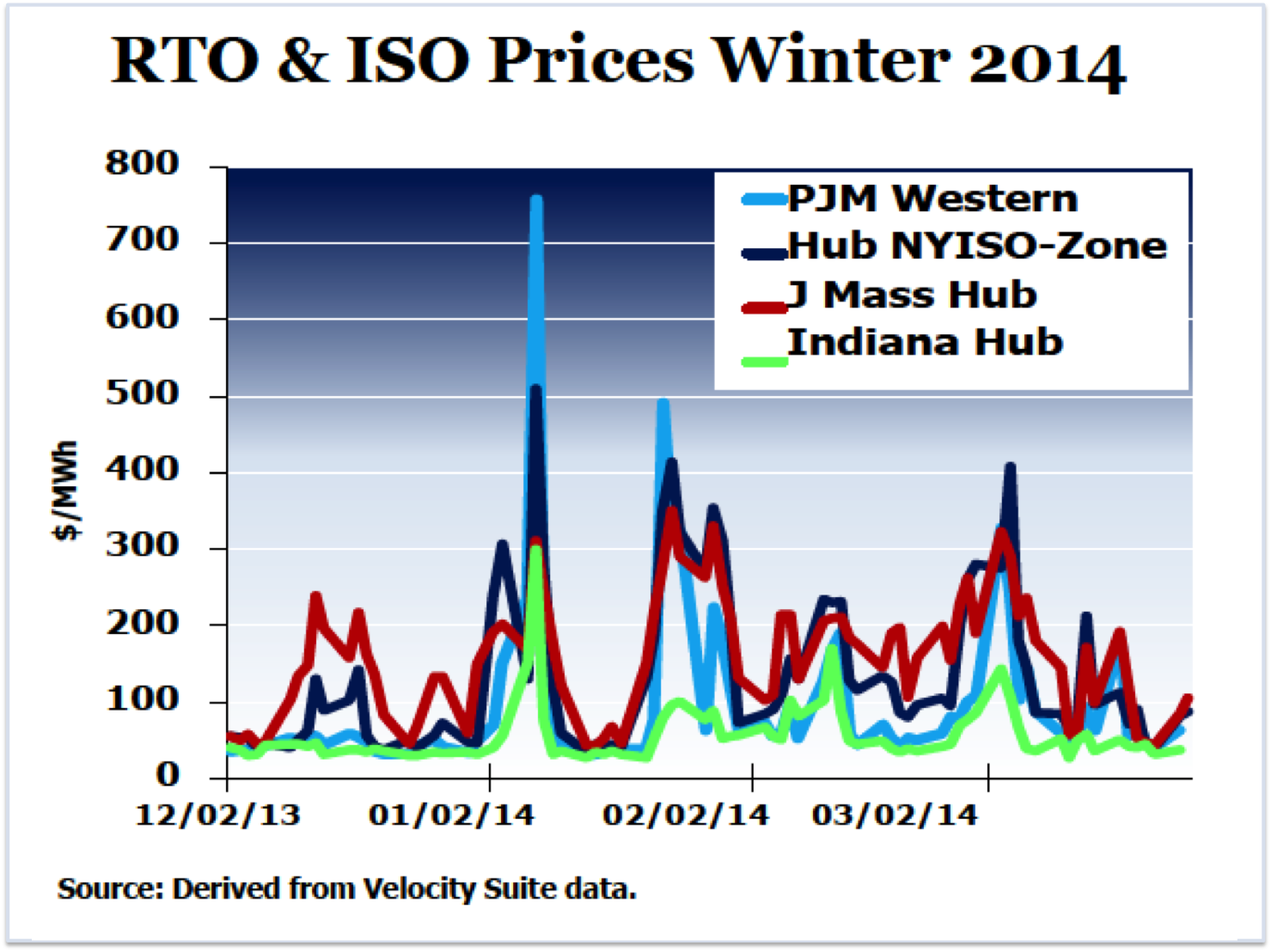
PJM wasn’t the only place the winter 2013-14 made its mark in the record books. MISO, the Southwest Power Pool and NYISO all hit all-time winter peaks during January’s polar vortex, while ISO New England came up just short.
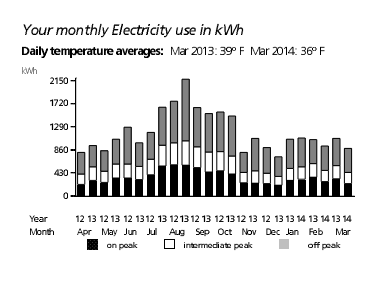
The winter’s high prices for gas and power have busted budgets and left state regulators and consumer advocates scrambling for answers. FERC says it has seen no evidence of market manipulation.
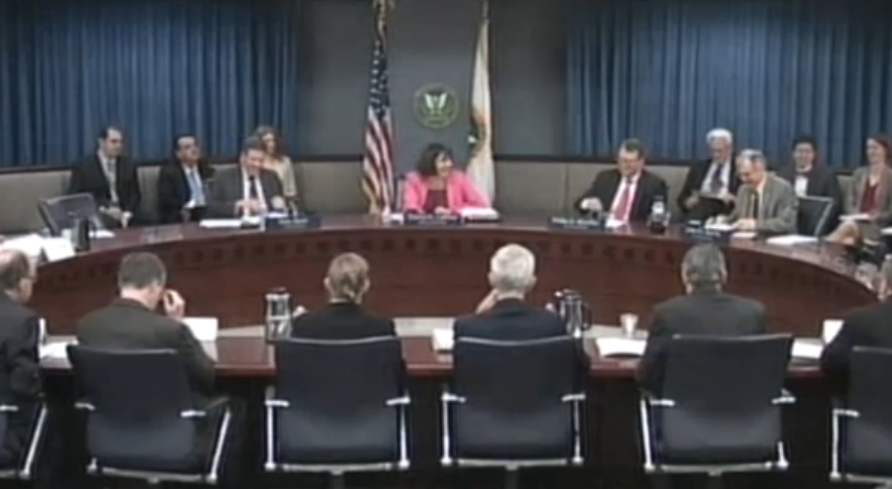
PJM is considering boosting its capacity payments to nuclear plants and others with firm winter fuel supplies, the RTO told a FERC technical conference Tuesday.
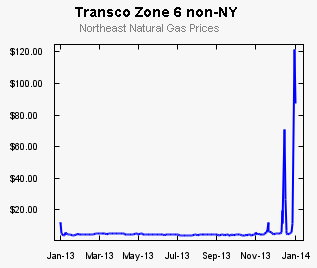
Stakeholders representing load may oppose efforts to change PJM’s $1,000 per MWh offer cap, despite a frigid winter in which high gas prices forced the RTO to obtain temporary waivers from the limit.
News briefs on the federal agencies that impact those doing business in PJM's footprint. This week, we highlight all of the action in Congress.
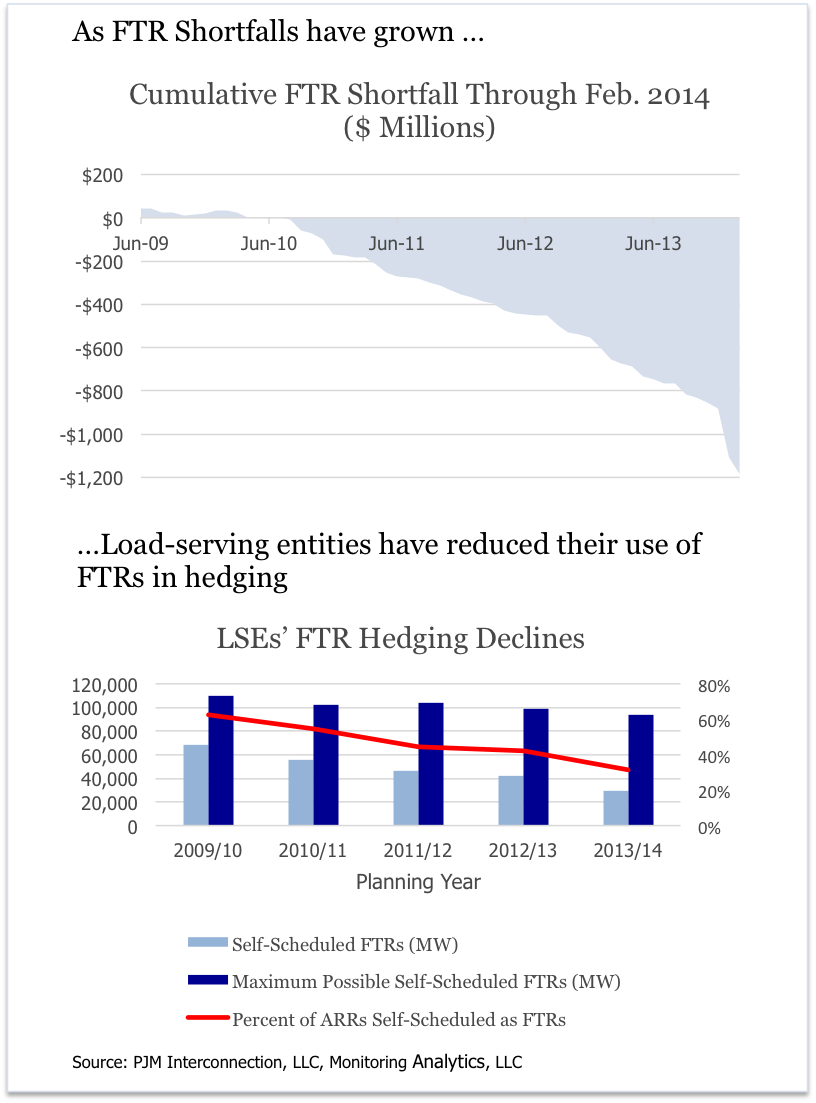
FTR traders asked PJM and the Market Monitor to take action to address funding shortfalls, receiving sympathy but no commitments.

Natural gas production and demand hit new records in 2013, and futures prices suggest the trend may continue this year, FERC said, FERC said in their 2013 state of the markets presentation.
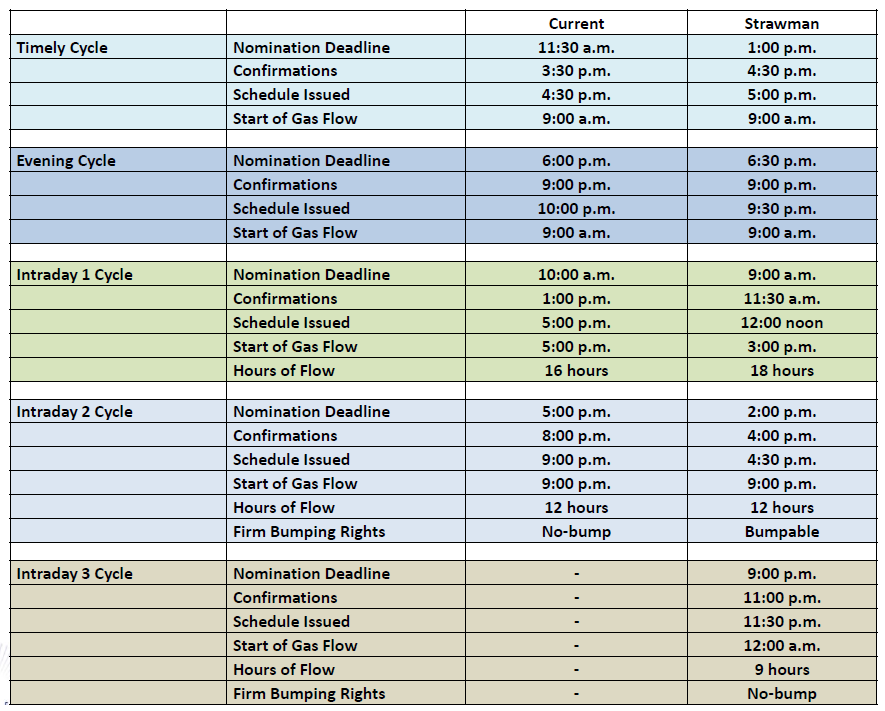
FERC has set a six-month deadline for the natural gas and electric industries to better align their daily schedules, in order for the gas operating day to start earlier.
Want more? Advanced Search
