
Federal Energy Regulatory Commission (FERC)
The Federal Energy Regulatory Commission is an independent agency that regulates the interstate transmission of electricity, natural gas and oil; reviews proposals to build LNG terminals and interstate natural gas pipelines; and licenses hydropower projects. FERC also oversees operations of regional wholesale electricity and natural gas markets and oversees the reliability of the bulk electric system.
© RTO Insider LLC
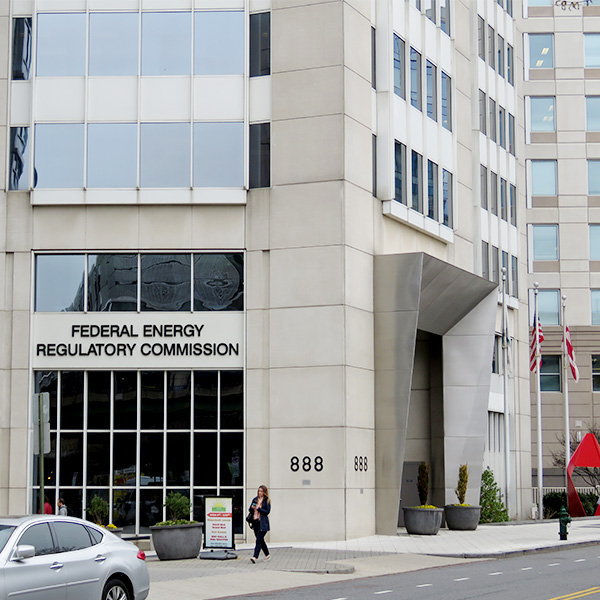
FERC approved a complaint from Old Dominion Electric Cooperative over mischarges from FirstEnergy, ordering the utility to start paying back the co-op after they were in a dispute over how that should happen.
NOAA
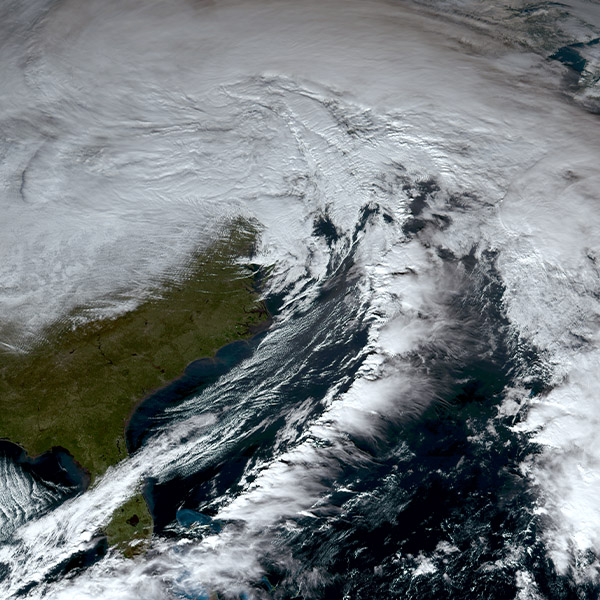
MISO and the Tennessee Valley Authority hope to implement an emergency energy purchase framework by Christmas Eve.

Grid Strategies / ACEG
FERC Order 1920 compliance efforts are getting started, but some uncertainty looms over the rule with a rehearing order expected in the coming months and a presidential election that could change regulators' priorities.

EDP Renewables
FERC authorized MISO’s move to a capacity accreditation method that blends probabilistic availability with historical unit performance.
ACEG
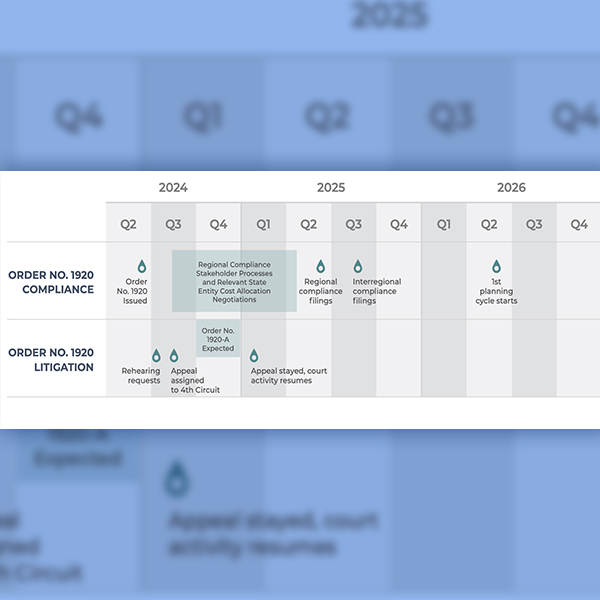
Americans for a Clean Energy Grid released an update to its transmission planning report card. It includes recent policy changes from transmission planning regions, including Order 1920 compliance efforts.
SPP
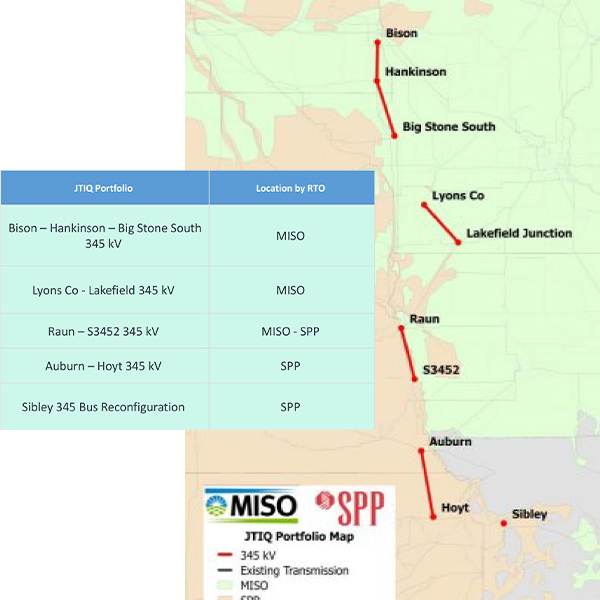
SPP and MISO are coordinating responses to their FERC filings to facilitate their Joint Transmission Interconnection Queue process and cost-allocation methodology.
© RTO Insider LLC
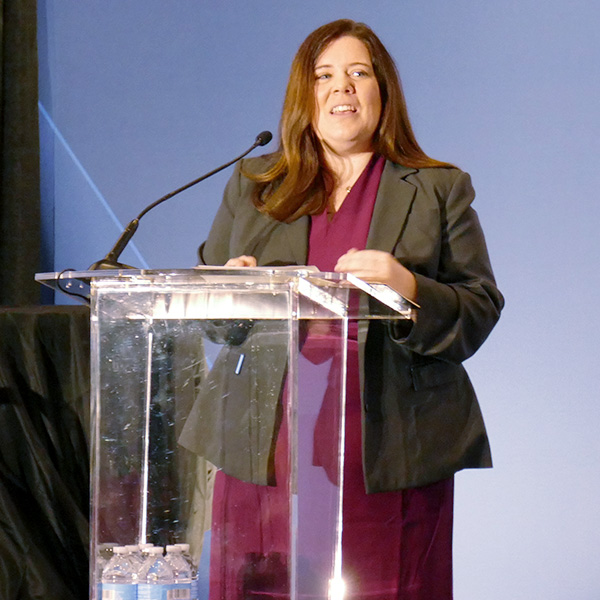
FERC Commissioner Lindsay See took office the day the Supreme Court issued its Loper Bright decision striking down the Chevron deference to federal agencies, she told the Energy Bar Association’s Mid-Year Energy Forum.
© RTO Insider LLC
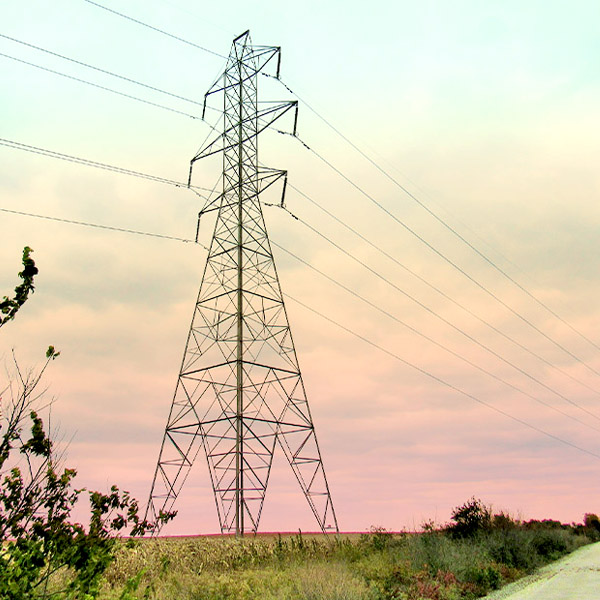
Utilities and grid operators urged caution on new dynamic line rating requirements while state regulators, consumers and grid enhancing technology firms said they want the mandates.

SPP
FERC accepted a second compliance filing from SPP outlining its process for determining its planning reserve margin with an order that found the RTO’s response met the commission’s directives.
Energy Strategies
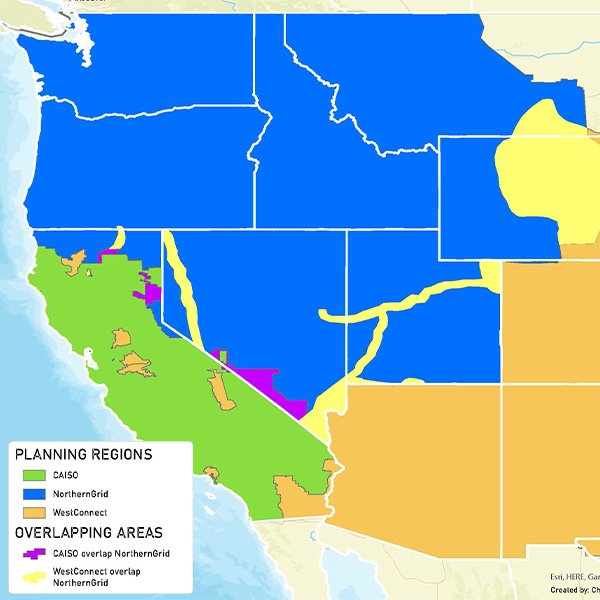
Responding to an appellate court’s concerns about free ridership, FERC reversed a decision that allowed the WestConnect transmission planning region to include a category of participants not subject to binding cost allocation.
Want more? Advanced Search
