
generator interconnection agreement (GIA)
Motor City Electric Utilities
MISO announced a third, 8-GW cycle of generation projects to enter its fast-tracked interconnection process, its largest cluster yet.
Ameren Missouri
MISO said it will not postpone the kickoff of a study on its 2025 cycle of interconnection requests, rebuffing stakeholders’ requests for a slowdown to clear some of the queue’s four-year backlog.
MISO
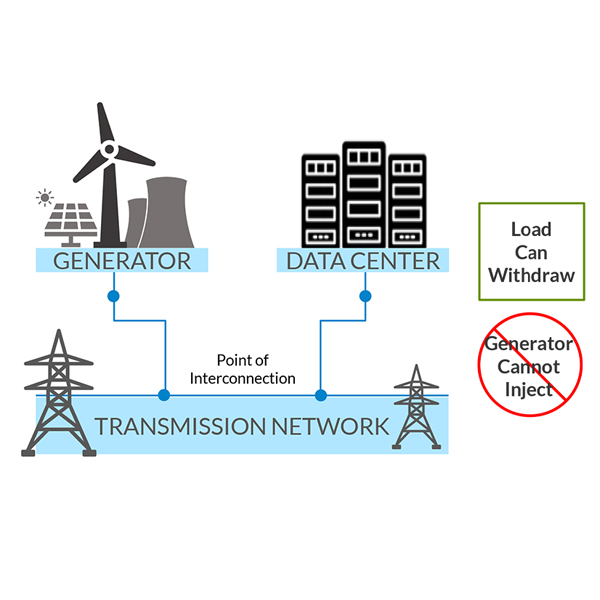
MISO is considering a new type of interconnection agreement for generation built on site and strictly for new large loads.

Shutterstock
FERC approved MISO’s proposal to increase the number of generation projects it may study under its expedited interconnection queue lane from 10 to 15 per quarter.
Entergy Texas
MISO’s proposal to use a temporary “fast lane” in its interconnection queue to speed up necessary resource additions would give utility-owned generation preferential treatment, according to protesters’ comments filed with FERC.
Shutterstock
PJM presented the Markets and Reliability Committee with a proposed settlement with several clean energy associations and developers on its site control requirements for new generation projects.
PJM
The PJM Planning Committee endorsed revisions to Manual 14H to clarify the changes developers can make to the site control requirements for their projects at different phases of the interconnection process.
Meta
Clean energy organizations are prodding MISO to contemplate prospective load and generation simultaneously, with Clean Grid Alliance asking MISO to coordinate its annual transmission studies with its interconnection queue studies.
Shutterstock
A group of utilities have filed for rehearing of a show cause order FERC issued in June that could change the practice of who pays for interconnection lines at four ISO/RTOs.
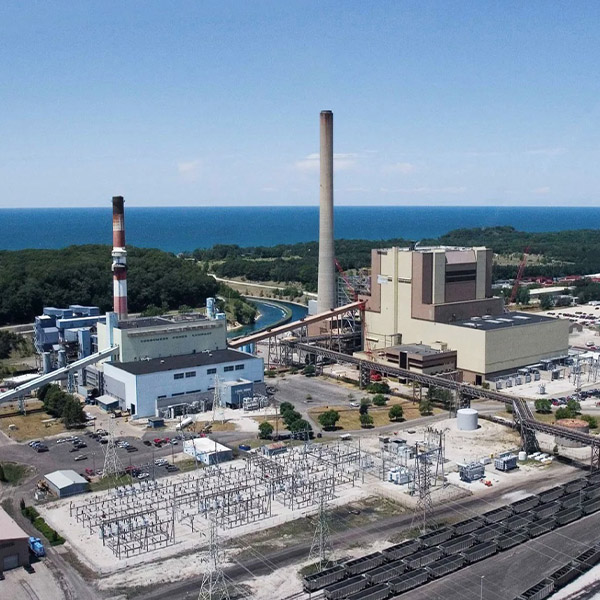
Consumers Energy
With FERC’s blessing, MISO will synchronize its generator replacement process with its generation suspension and retirement process to give interconnection customers more flexibility.
Want more? Advanced Search
