grid enhancing technologies (GETs)

© RTO Insider
Two senators introduced the REWIRE Act, which aims to speed up permitting for advanced transmission projects on existing rights of way and generally encourage advanced transmission technologies.

© RTO Insider
Gov. Wes Moore issued an executive order calling for reforms to boost electricity supply and ensure affordability, which will be implemented in part by the new executive director at the Maryland Energy Administration, Kelly Speakes-Backman.

Google
There's a clear parallel between what FERC did to speed the building of new generation at the turn of the millennium and what DOE wants to do today to accelerate the growth of critical data infrastructure, says former FERC Chair Pat Wood III.
London Economics International
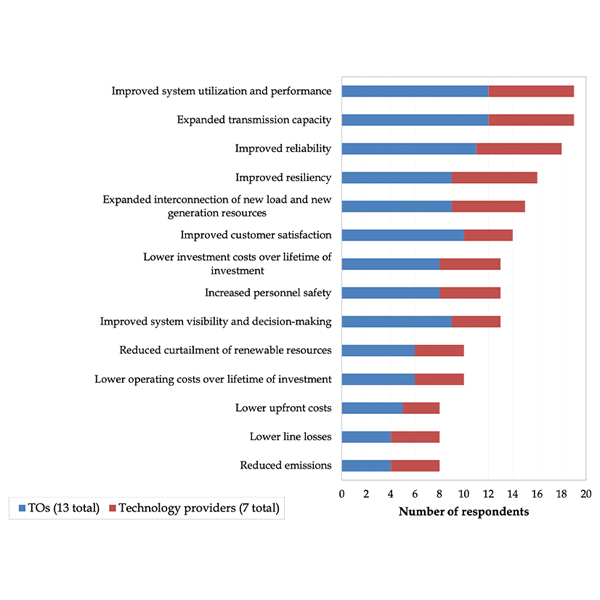
WIRES Group released a report looking into advanced transmission technologies and how they can help cost-effectively expand the transmission grid.
ACORE
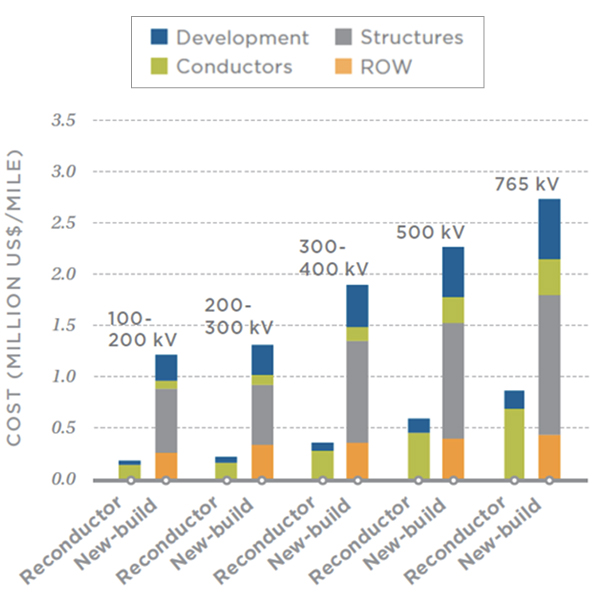
ACORE released a report arguing that transmission planners need to take advantage of advanced technologies and can do so as they implement FERC Order 1920.

© RTO Insider LLC
Massachusetts lawmakers and industry members must double down on efforts to rapidly scale up new renewable technologies to meet the needs of the energy transition, speakers at the Northeast Energy and Commerce Association’s Energy Innovation Forum emphasized.

© RTO Insider LLC
The NARUC board adopted a resolution emphasizing the role GETs and high-performance conductors can play in reducing customer costs and improving reliability.

© RTO Insider LLC
Utilities and grid operators urged caution on new dynamic line rating requirements while state regulators, consumers and grid enhancing technology firms said they want the mandates.

© RTO Insider LLC
The commission received dozens of comments on its advanced notice of proposed rulemaking that would require broad use of dynamic line ratings across the U.S. transmission grid.

© RTO Insider LLC
Different industry stakeholders have estimated it may take five to 10 years for FERC Order 1920 to have any major impacts on transmission planning.
Want more? Advanced Search