
ISO New England (ISO-NE)
ISO-NE
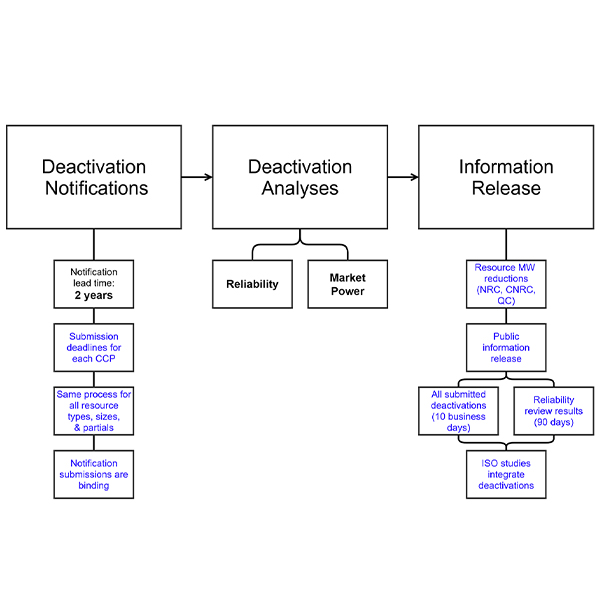
ISO-NE continued discussions with stakeholders on its capacity auction reform project at the NEPOOL Markets Committee, providing more information on planned changes to the resource retirement process.
Khorramfar et al.
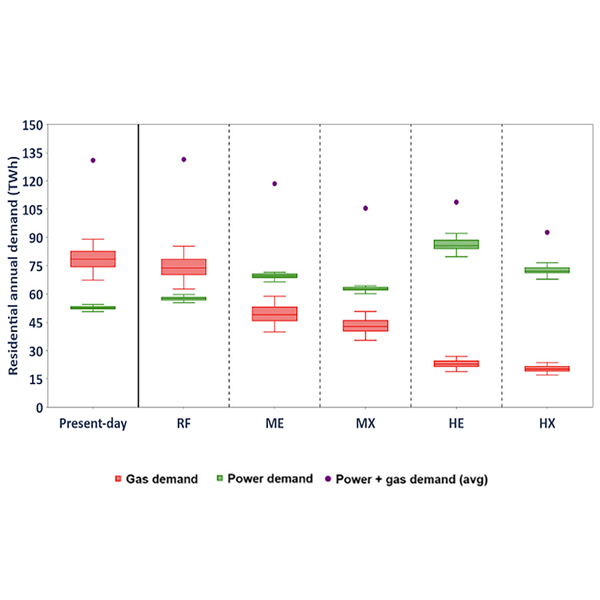
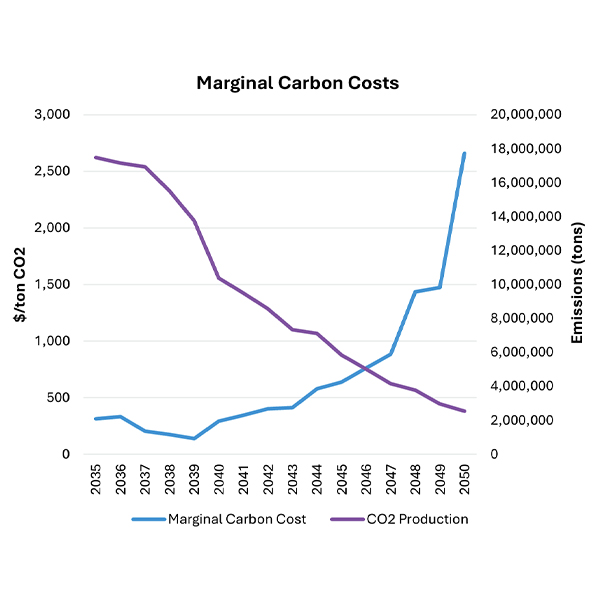
While heating electrification in New England is poised to drive major increase in peak demand, electrifying about 80% of households could reduce the combined cost of the region’s electric and gas systems by 21 to 29%, according to a new study.
Shutterstock
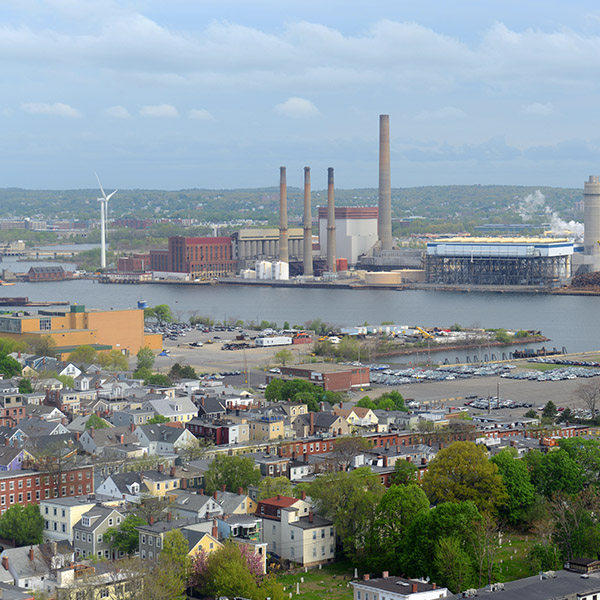
FERC accepted ISO-NE’s proposal to increase the collateral requirements for generators participating in its capacity market, rejecting the New England Power Generators Association’s arguments that the changes violate the filed rate doctrine.
Hydro-Québec
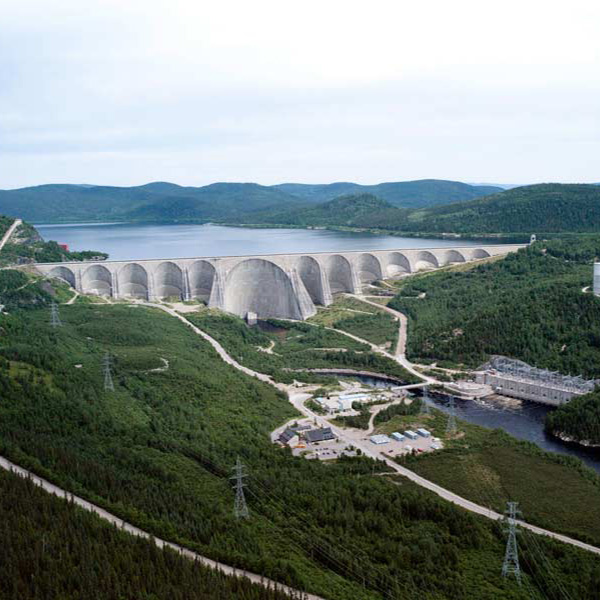
As the Trump administration forged last-minute agreements with Canada and Mexico to postpone steep new tariffs, the energy industry fretted about potential fallout for cross-border supply chains and wholesale electricity markets.
© RTO Insider LLC
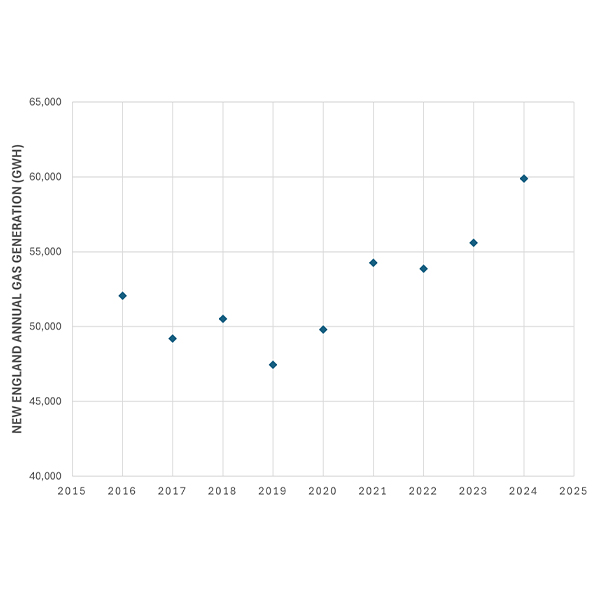
As overall power production ticked up in New England in 2024, natural gas generation reached its highest annual total in the region’s history, accounting for over 55% of all generation and 51% of net energy for load, according to new data from ISO-NE.
© RTO Insider LLC
The NEPOOL Transmission Committee declined to support a compliance proposal from New England transmission owners for a recent FERC order preventing them from charging interconnection customers for operations and maintenance fees associated with network upgrades.
Avangrid
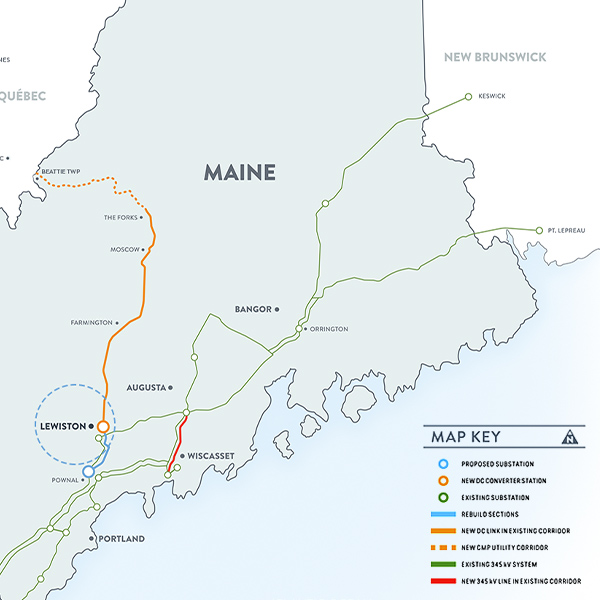
The Massachusetts Department of Public Utilities approved a settlement agreement for the New England Clean Energy Connect transmission line, authorizing a significant cost increase to account for regulatory delays to the project.
NECA
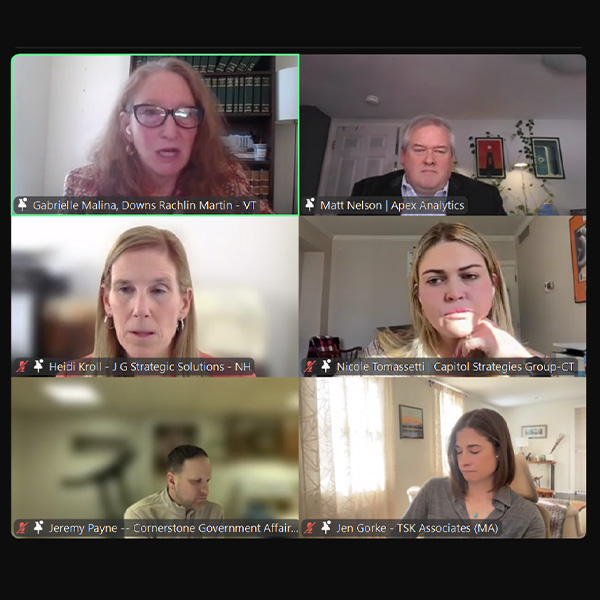
Government affairs experts previewing New England’s 2025 legislative sessions outlined some key policy overlaps and notable differences among states during a webinar held by the Northeast Energy and Commerce Association.
ISO-NE
ISO-NE has outlined the transmission and economic models it plans to use to evaluate proposals submitted for the longer-term transmission planning process.

ISO-NE
The NEPOOL Reliability Committee voted to support changes to ISO-NE Planning Procedure 7 to comply with FERC Order 881.
Want more? Advanced Search
