
ISO New England (ISO-NE)
ISO-NE
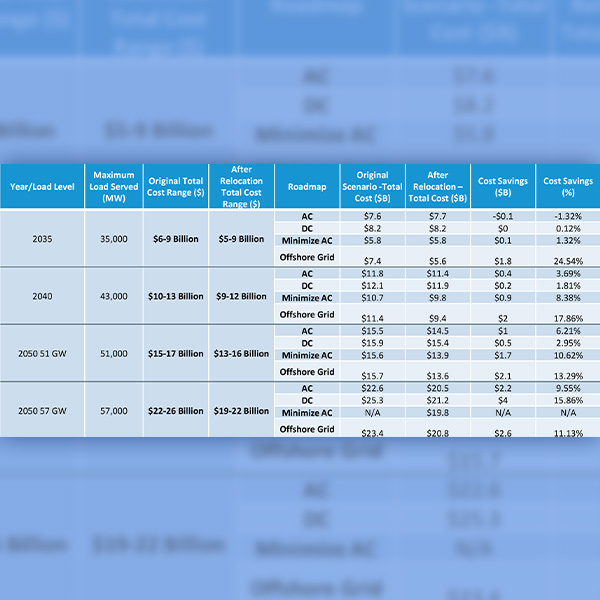
Relocating two offshore wind points of interconnection from Maine to Massachusetts could reduce New England’s transmission upgrade cost requirements, ISO-NE said.
ISO-NE
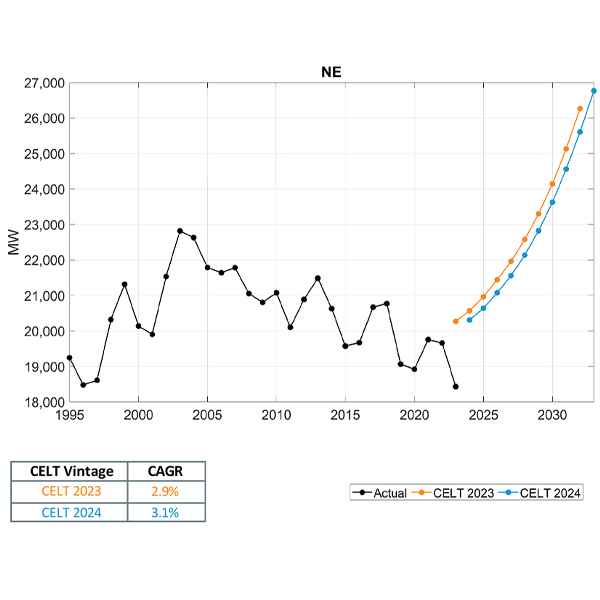
ISO-NE is decreasing its peak load projections slightly for the next 10 years due to slower-than-expected EV adoption, managed charging programs and changes to its modeling of partial building electrification.
Z22, CC BY-SA 4.0, via Wikimedia Commons
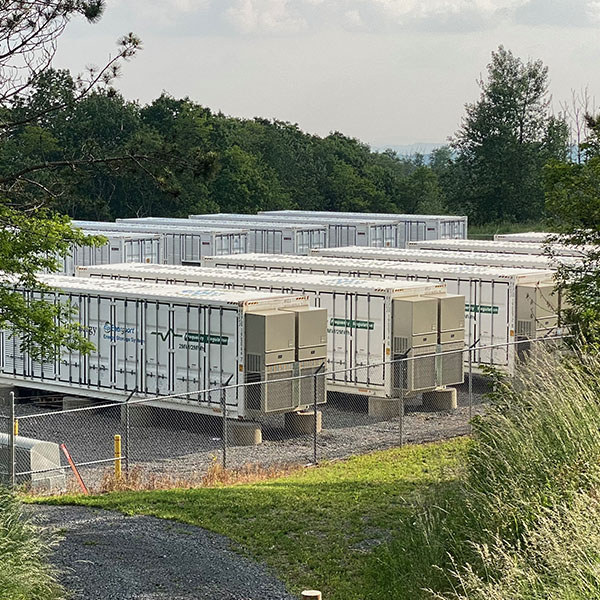
New grid-scale battery storage in Maine would be cheaper than new fossil peaker plants when accounting for societal costs of air pollution and carbon emissions, according to a new report.
General Electric
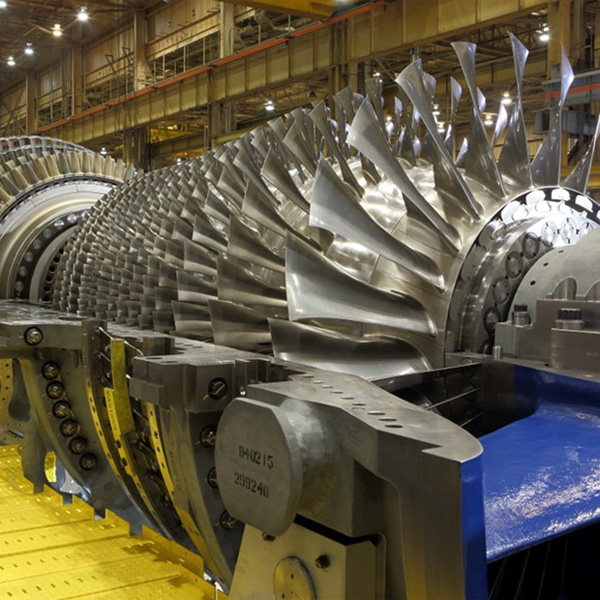
FERC approved a proposal by ISO-NE to reduce its Forward Reserve Market offer cap and delay the publication of offer data from four months to a year after each auction.

NREL
DOE released a study of offshore wind transmission. In no way does this study establish, or even claim, that offshore wind makes economic sense, according to Steve Huntoon.
Shutterstock
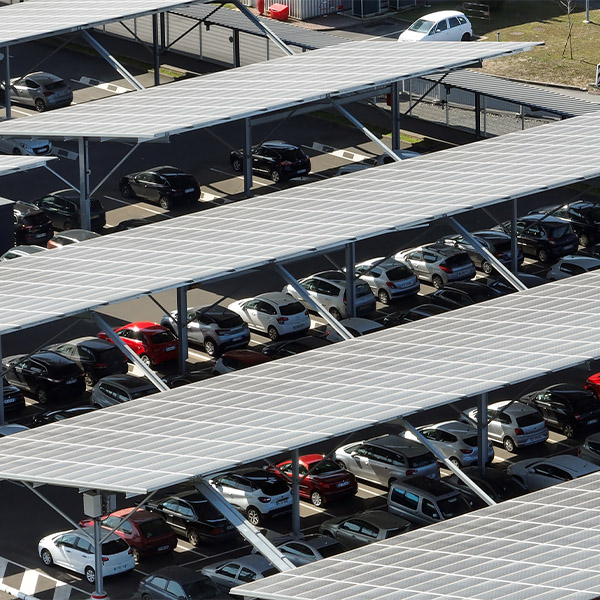
FERC accepted an Order 2222 compliance filing by ISO-NE while requiring the RTO to make an additional filing to detail deadlines for distributed energy resource aggregators to submit metering data.
Lawrence Berkeley National Laboratory
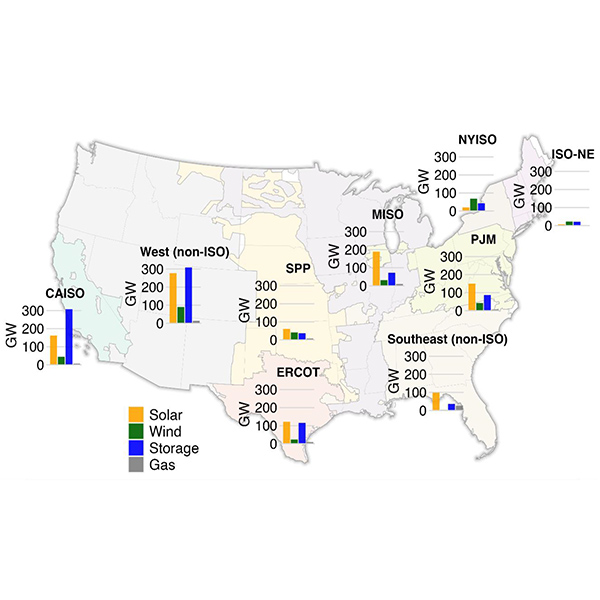
Interconnection requests across the U.S. shot up by 30% in 2023, with close to 2,600 GW of solar, wind and storage waiting to land a spot on the grid.
West-Wide Governance Pathways Initiative
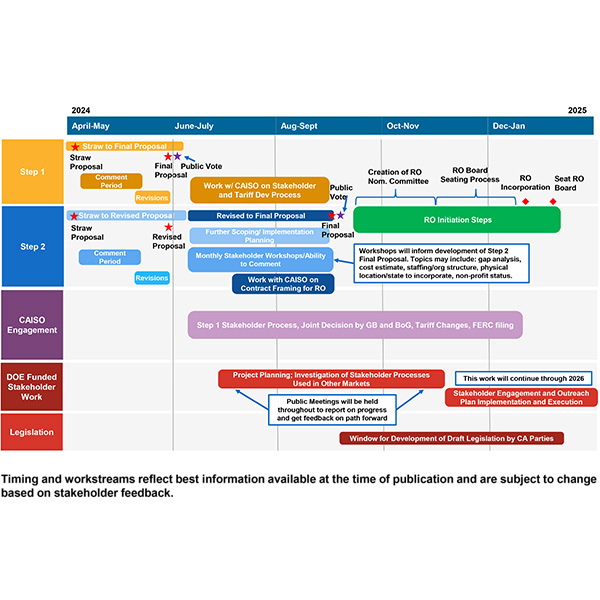
Backers of an initiative to create an independent Western RTO that builds on CAISO’s markets have floated a plan to untangle the snag that’s hung up past efforts to “regionalize” the ISO: a lack of independent governance.
ISO-NE
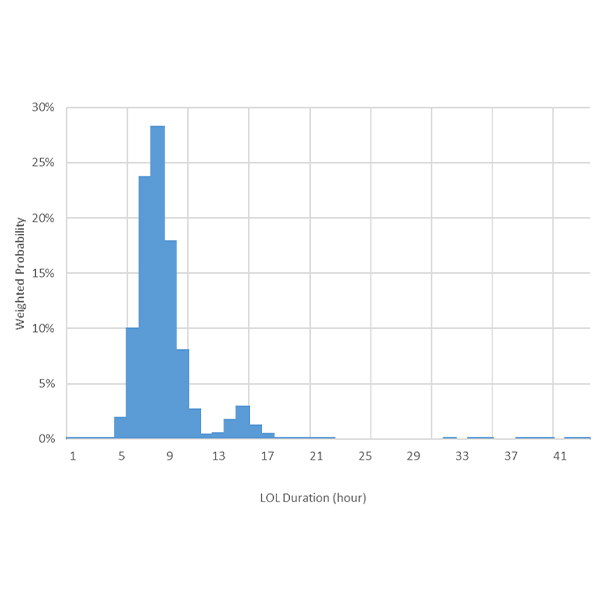
ISO-NE continued work on resource capacity accreditation changes, outlining how changes to the overall resource mix could affect the reliability value of different resource types.
© RTO Insider LLC
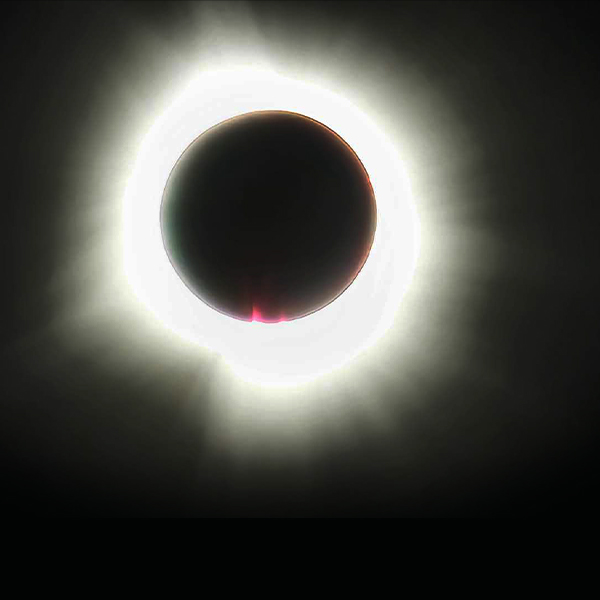
Grid operators reported zero issues managing the bulk electric system as Monday’s total eclipse briefly shaded solar panels across ISO-NE, NYISO, MISO, SPP and ERCOT.
Want more? Advanced Search
