
Joe Bowring

NRG
PJM's IMM is pushing for limits on NRG after it completes its deal with LS Power to prevent its exercise of market power, but the firm argues they are unneeded and the Monitor has failed to show its math
PJM
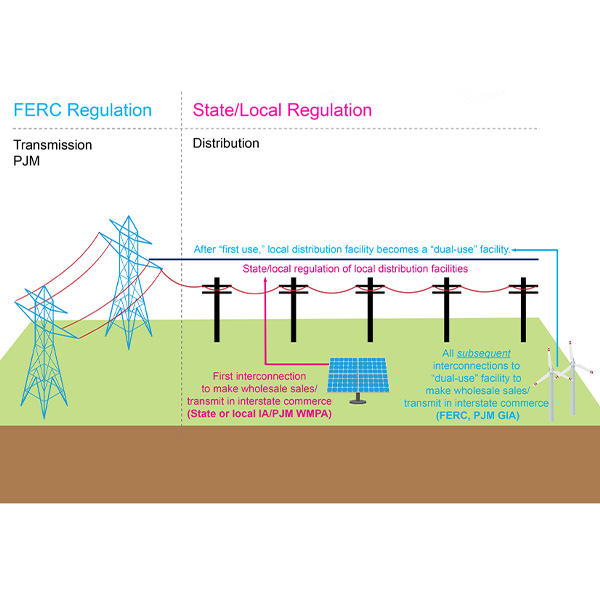
PJM’s Markets and Reliability Committee endorsed by acclamation a PJM proposal to rework how the RTO determines whether a new generation point-of-interconnection falls under federal or state jurisdiction.
PJM
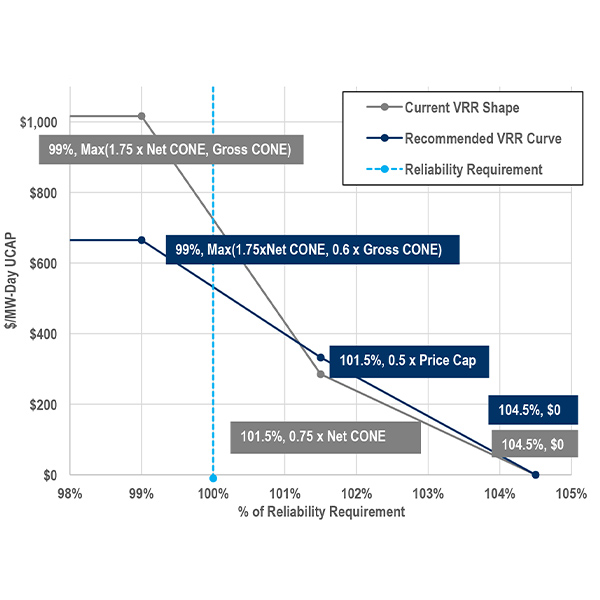
Key challenges in the review are tightening supply and demand, the uncertain cost of new capacity and accounting for changes PJM has made to how it identifies reliability risks and determines the capacity value for different resource types.
Yes Energy
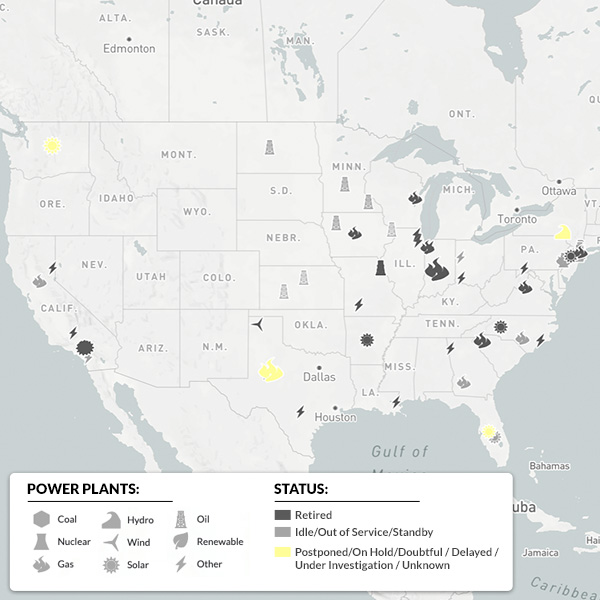
FERC spent June 4-5 looking into resource adequacy across the markets it regulates.

© RTO Insider
PJM’s Markets and Reliability Committee endorsed two proposals to revise the RTO’s ELCC formula to add two new generation categories and limit the penalties resources face if their accreditation declines between auctions.
FERC
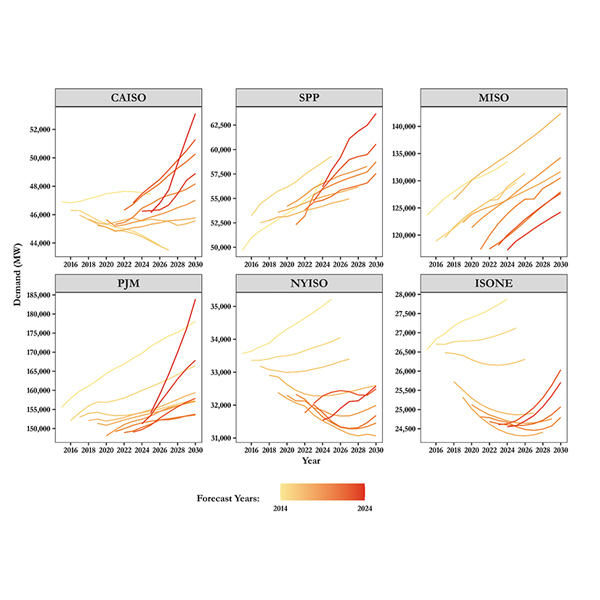
FERC's State of the Markets report showed lower wholesale energy prices but growing demand and higher capacity prices that signal a need to meet the coming load.

© RTO Insider
PJM’s markets provided reliable service in 2024, but tightening supply and demand are laying bare design flaws that have inhibited the competitiveness of the RTO’s markets, the Independent Market Monitor wrote in its 2024 State of the Market Report.
© RTO Insider LLC
PJM’s Market Implementation Committee narrowly endorsed a PJM proposal to use ELCC to model the availability of demand response resources in all hours, along with other changes to how DR accreditation is determined.

© RTO Insider LLC
The PJM Markets and Reliability Committee and Members Committee endorsed a proposal to rework the RTO’s rules around generation deactivations.

Pennsylvania PUC
Pennsylvania regulators hosted several panels to discuss PJM's tightening reserve margins and how the PUC should respond to the situation, which at least promises more high prices in the near future before new supplies can come online.
Want more? Advanced Search
