load forecasting

FERC
FERC focused on large loads and clearing out older proceedings during its September meeting, with two of three current members saying they hoped to move a pending proceeding on co-located loads in the near future.

© RTO Insider
PJM revised elements of its proposal to create a non-capacity backed load product for large loads as the Critical Issue Fast Path embarks on determining how to address the reliability challenges posed by accelerating data center load growth.

© RTO Insider LLC
SPP's Strategic Planning Committee has unanimously endorsed staff’s comprehensive approach to accelerate transmission capability, directing them and the RTO's working groups to prioritize the development of policies for all short-, mid- and long-term initiatives.
PJM
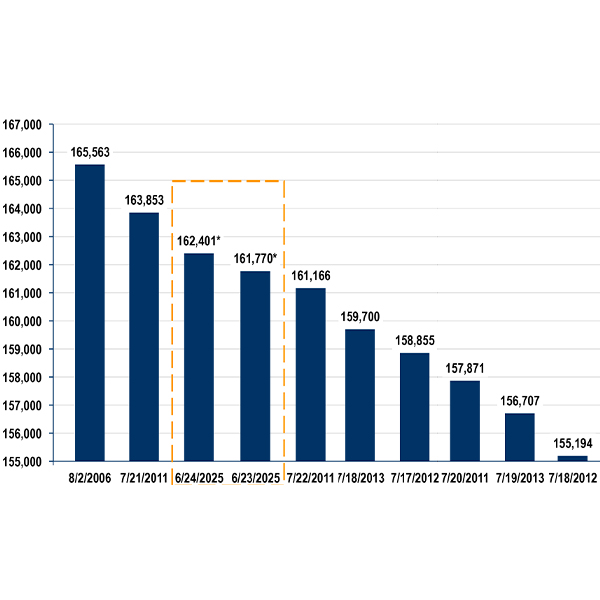
PJM saw its highest peak loads in over a decade during a heat wave that stressed the Mid-Atlantic region from June 22 to 26.

© RTO Insider
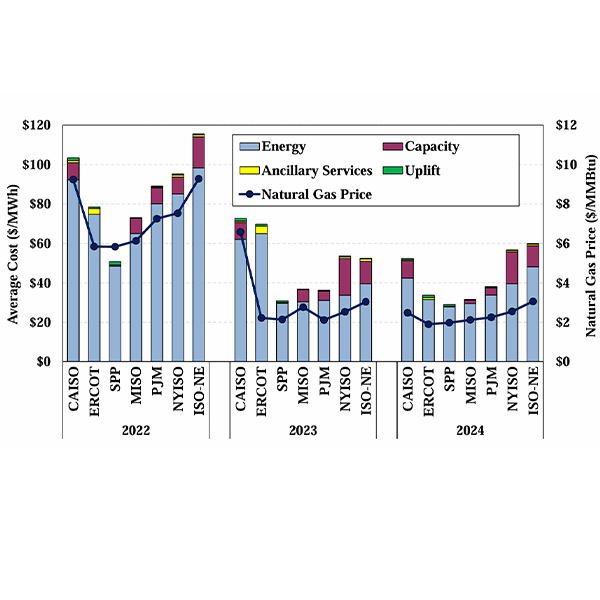
The 2025 Mid-America Regulatory Conference tackled themes on meaningful public engagement, nuclear options, bill affordability and DEI programs falling out of favor.
Potomac Economics
ISO-NE and stakeholders discussed market performance, capacity auction reforms, the RTO’s 2026 budget and asset condition spending at the summer meeting of the NEPOOL Participants Committee.
Yes Energy
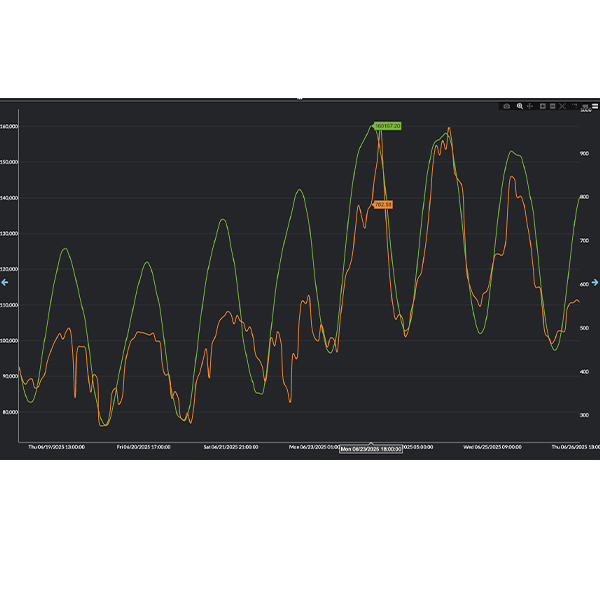
PJM experienced a preliminary peak load over 160 GW during the recent heat wave, surpassing the RTO’s summer forecast of 154 GW and requiring the deployment of pre-emergency demand response.
ERCOT
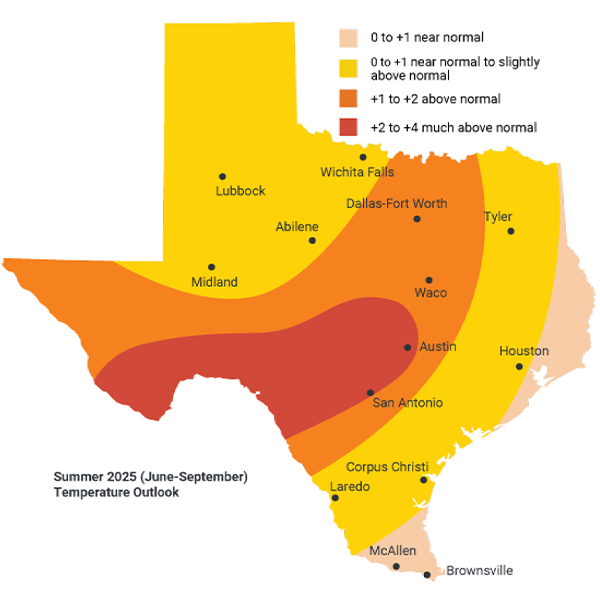
ERCOT CEO Pablo Vegas declared the state of the Texas grid to be "strong" as it heads into a summer where it expects a record peak demand.

© RTO Insider
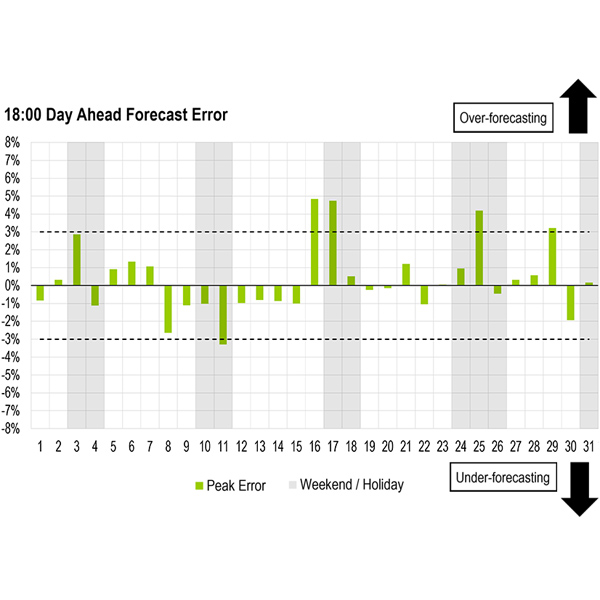
PJM presented changes to its submission and review processes for large load adjustments that are intended to provide stakeholders with more transparency before they are included in future load forecasts, as well as a draft proposal to standardize how it determines what share of LLAs will be included in its forecasts.
PJM
The month of May saw one spin event to PJM, a shared reserve event, three high-system-voltage actions and 24 post-contingency local load relief warnings, according to the RTO’s monthly operating metrics.
Want more? Advanced Search