
Massachusetts Department of Public Utilities (MA DPU)

© RTO Insider
Amid uncertainty about how New England will meet rising demand in the coming decades, Massachusetts Gov. Maura Healey issued an executive order to procure 10 GW of new power and 5 GW of energy storage by 2035.
National Grid
In Massachusetts, a state with some of the most ambitious decarbonization policies in the country, fundamental disagreements between utilities and consumer advocates threaten to derail the transition from natural gas before it even gets off the ground.

Roger Merchant
After a multiyear delay caused by intense political opposition, the New England Clean Energy Connect project is finally ready to begin commercial operations, Avangrid wrote in a filing.

© RTO Insider
Energy affordability and regional collaboration dominated talks at the New England-Canada Business Council's annual Executive Energy Conference.

InvictaHOG, Public Domain, via Wikimedia Commons
A relatively small project aiming to increase gas pipeline capacity into New England is raising larger underlying questions about how the region will balance gas reliability and affordability with longer-term efforts to transition away from natural gas.

© RTO Insider LLC
Two and a half years after taking the helm at the Massachusetts DPU, Chair Jamie Van Nostrand is leaving after leading it through a series of major changes in its approach to natural gas regulation.
Acadia Center
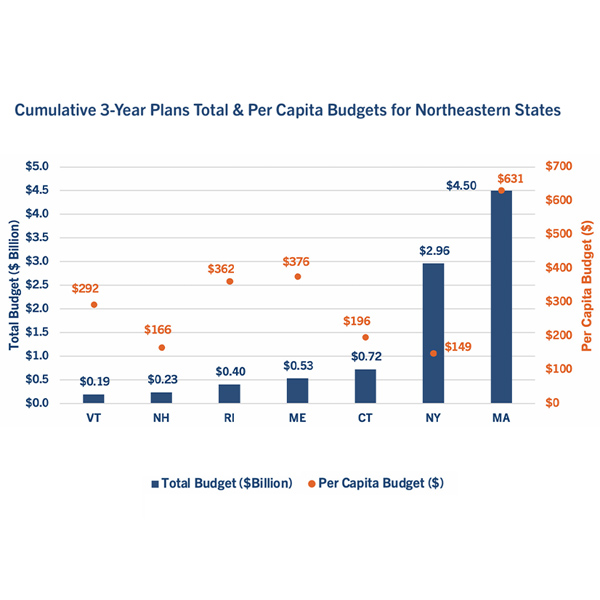
Projected energy efficiency investments in New England over the next three years will generate an estimated $19.3 billion in lifetime benefits, returning $2.93 for every dollar spent, according to new analysis by the Acadia Center.

Shutterstock
Climate and consumer advocates called on Massachusetts lawmakers to preserve the state’s energy efficiency programs as legislators work to develop an energy affordability bill in response to high gas and electricity costs over the past winter.
National Grid
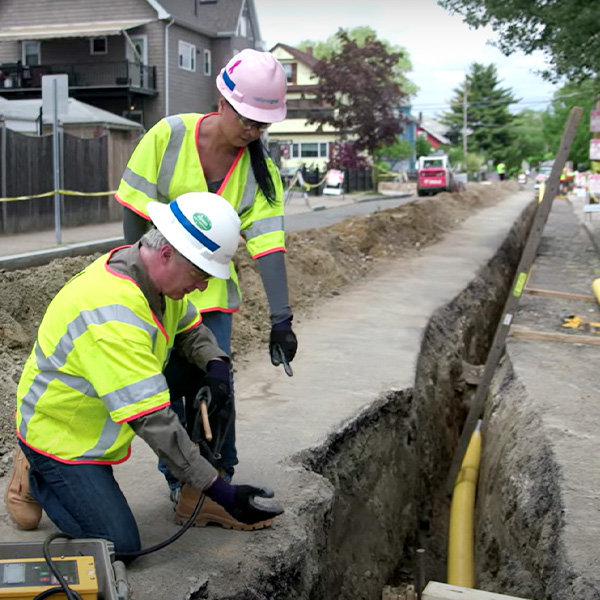
The Massachusetts Department of Public Utilities directed the state’s gas distribution companies to revise their line extension policies and require new customers to cover the cost of new hookups, with limited exceptions.
Shutterstock
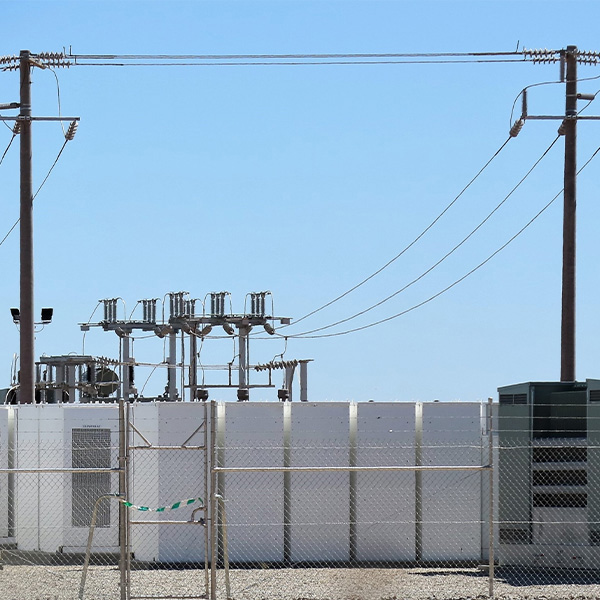
The Massachusetts Department of Energy Resources and the state’s investor-owned electric utilities have issued a request for proposals to procure up to 1,500 MW of mid-duration energy storage.
Want more? Advanced Search
