
Midcontinent Independent System Operator (MISO)
Great River Energy
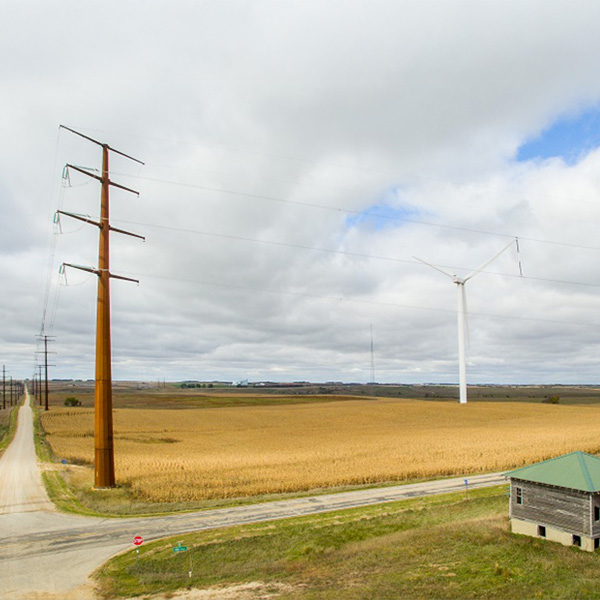
Stakeholders told MISO it might have anticipated an impending cost increase for a long-range transmission project in the works in Minnesota that jumped about 43% in price to nearly $1.4 billion.
MISO
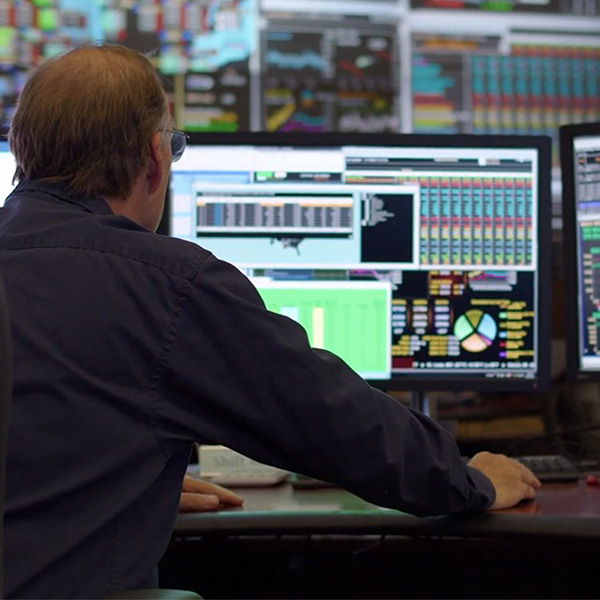
After nine years, MISO will close out its multiphase market platform replacement project, leaving a bulk of unfinished work on its real-time market.
Burns and McDonnell
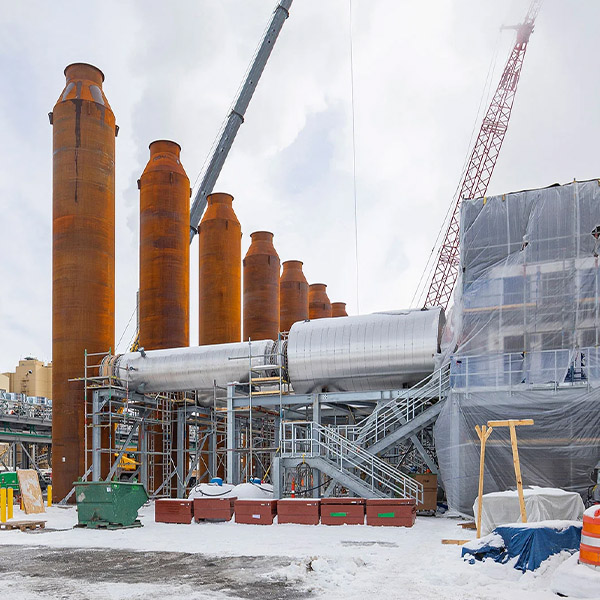
MISO is registering and accrediting resources to meet a roughly 2-GW uptick in load for the 2026/27 planning year.

Meta
Earthjustice accused Meta of deliberately executing an unsanctioned financial arrangement to underwrite its planned, multibillion-dollar data center in northern Louisiana and asked the Public Service Commission to investigate.
ITC Midwest
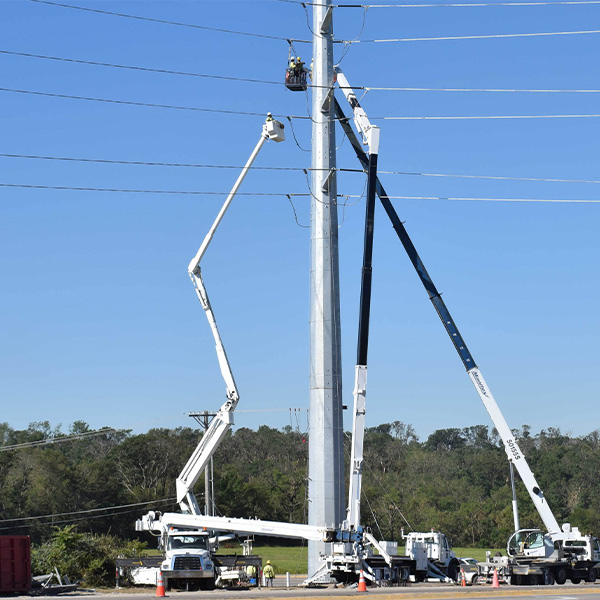
The Union of Concerned Scientists said MISO’s most devastating power outages in the last decade can be attributed to an increasingly unstable climate and compounding weather events.
AEP
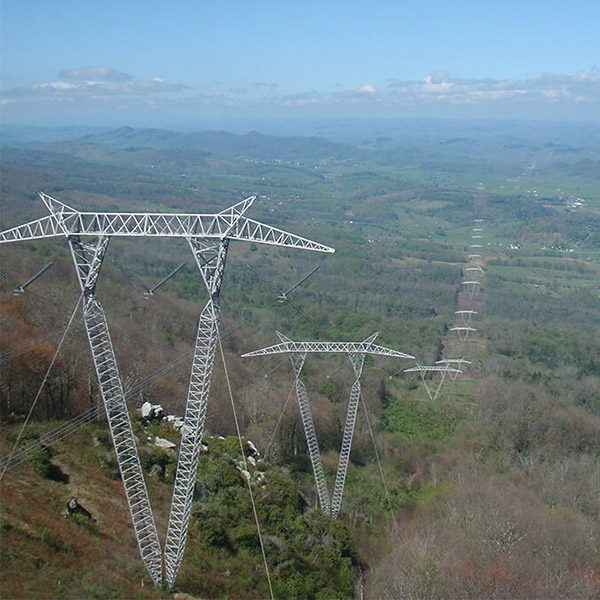
MISO selected a 50/50 joint venture between Transource and Berkshire Hathaway Energy Transmission to build a $1.2 billion, 765-kV project from the RTO’s second long-range transmission portfolio.
Stantec
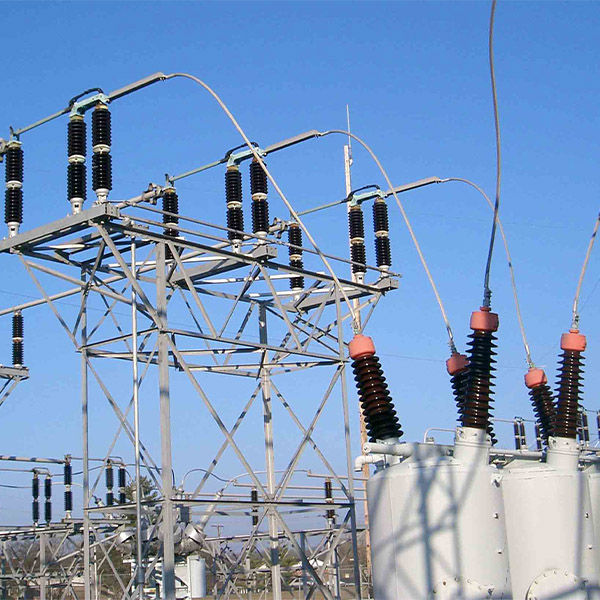
Just days into 2026, MISO already has approved or recommended dozens of expedited transmission projects for the 2026 cycle, including a substation project in Indiana that spawned several hundred million dollars in corrective action upgrades.
Alex Garcia, Earthjustice
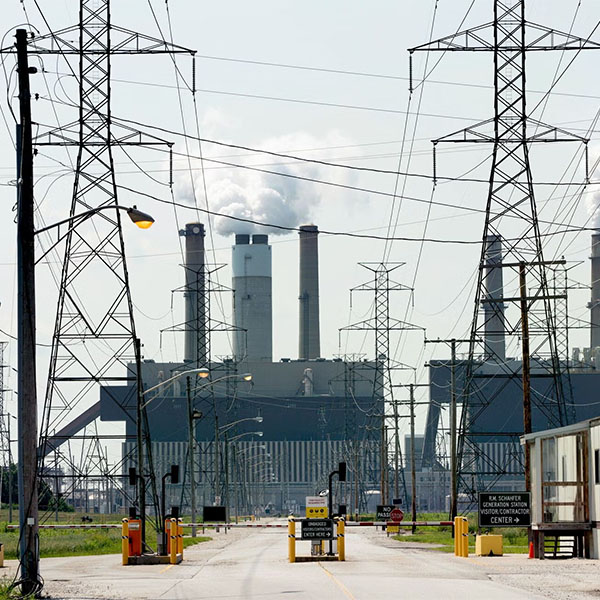
Earthjustice has warned Northern Indiana Public Service Co. against making costly repairs to its R.M. Schahfer Generating Station to keep it running through spring in accordance with a federal emergency order.
© RTO Insider LLC
MISO announced it will partner with Microsoft’s AI technologies to operate its markets and plan its system.
© RTO Insider
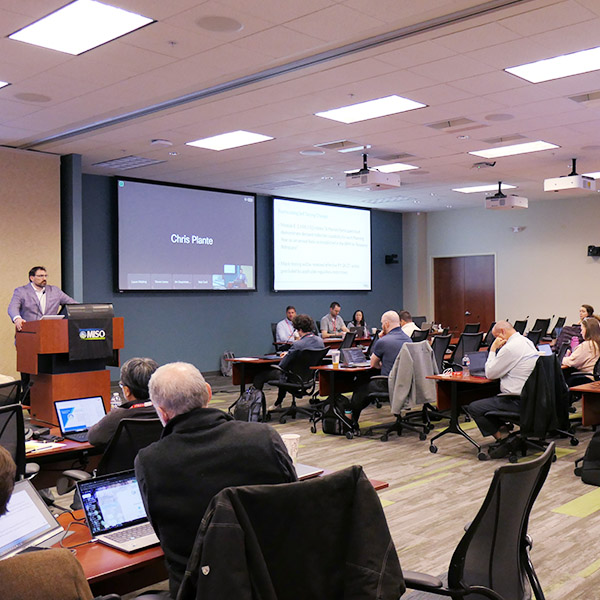
MISO is re-examining its longstanding policy that forbids stakeholders from recording meetings and is considering the possibility of some form of AI notetaking or transcription.
Want more? Advanced Search
