National Energy Dominance Council
© RTO Insider
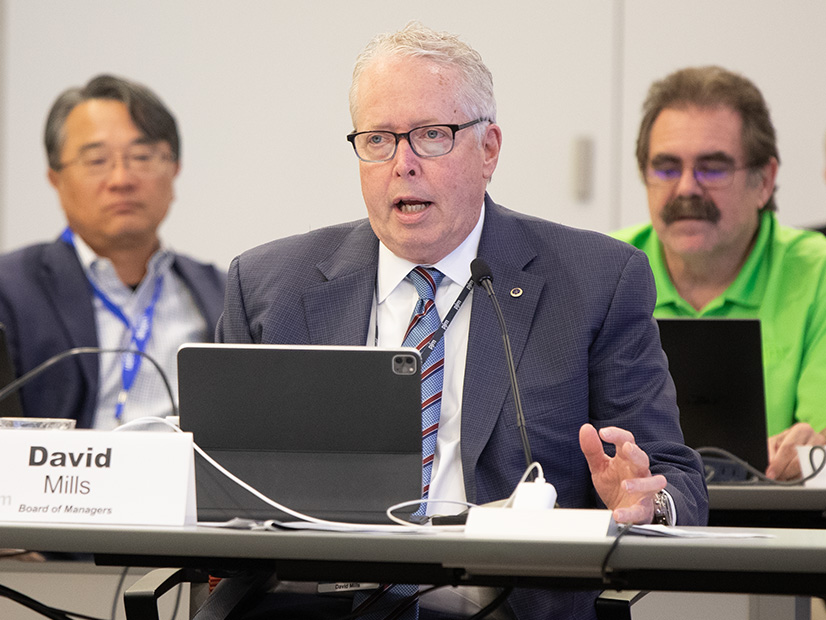
PJM is to present its initial design for a reliability backstop procurement intended to award multiyear capacity commitments for resources able to enter service within five years to serve large loads.

© RTO Insider
Figures in the energy industry are casting doubt on the White House’s proposal to shield ratepayers from the costs of interconnecting large loads, saying it ignores the jurisdictional responsibility between regulatory authorities.
© RTO Insider
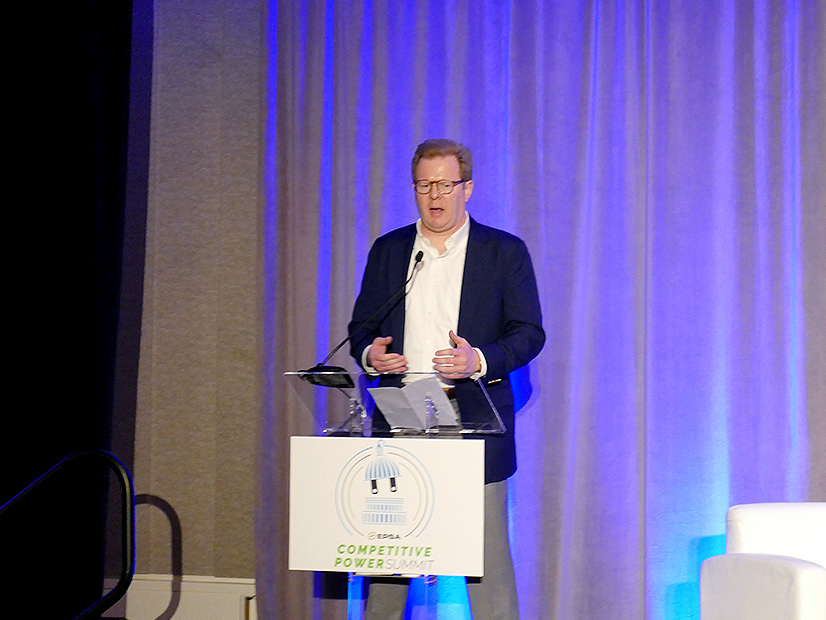
Politicians increasingly are interested in wholesale markets, which has meant price caps but also is pushing regulators and the industry to move faster on meeting rising demand affordably and reliably.

© RTO Insider
PJM and stakeholders laid out their initial thoughts on the structure of the in-development reliability backstop procurement as the RTO looks to meet a September target set out by the White House and all 13 member states’ governors.
© RTO Insider
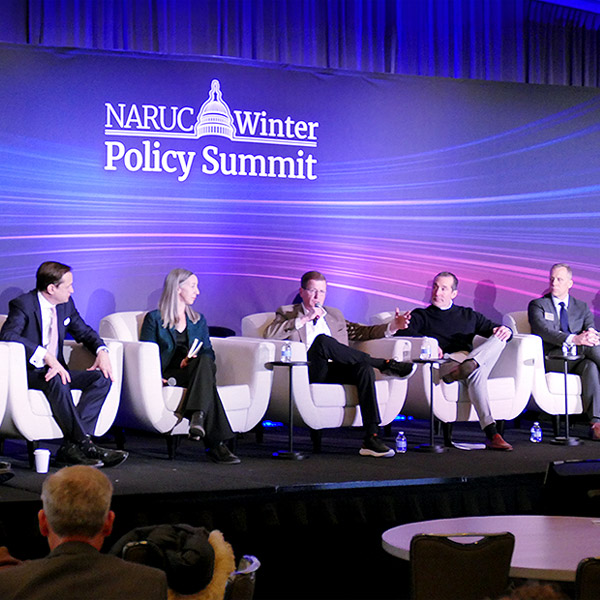
NARUC’s Winter Policy Summit focused on the main issue facing the power industry — how to reliably and affordably interconnect new large load customers.
© RTO Insider LLC
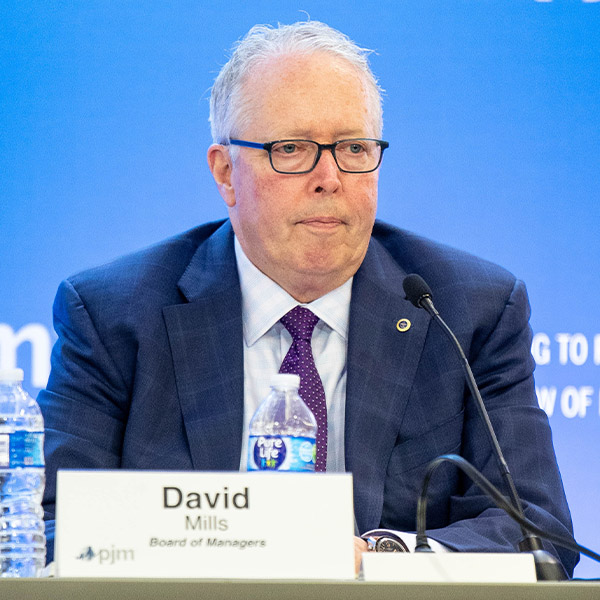
PJM stakeholders kicked off discussions on creating a “backstop” auction to be held in September at the insistence of the Trump administration and the governors of the RTO’s 13 states.
FERC
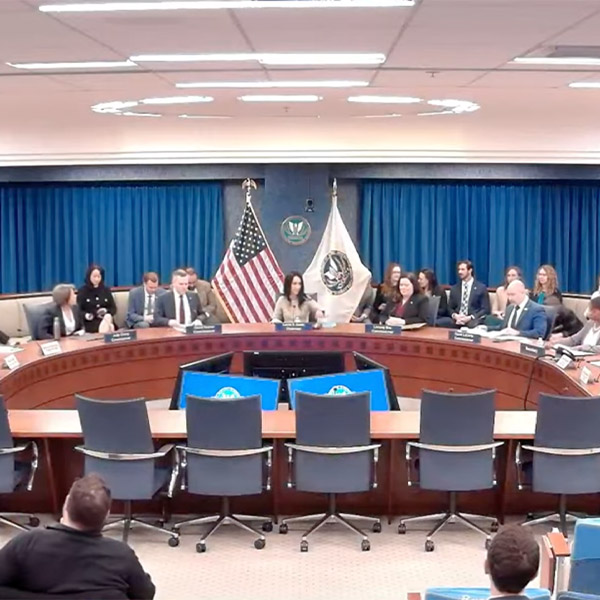
FERC addressed the ongoing resource adequacy challenges at PJM during its regular meeting, calling for the RTO to get reforms in front of it so they can be approved.

PJM
The White House and PJM's governors called for a special backstop capacity auction to procure $15 billion worth of new dispatchable generation, which is to be paid for by data centers.
© RTO Insider
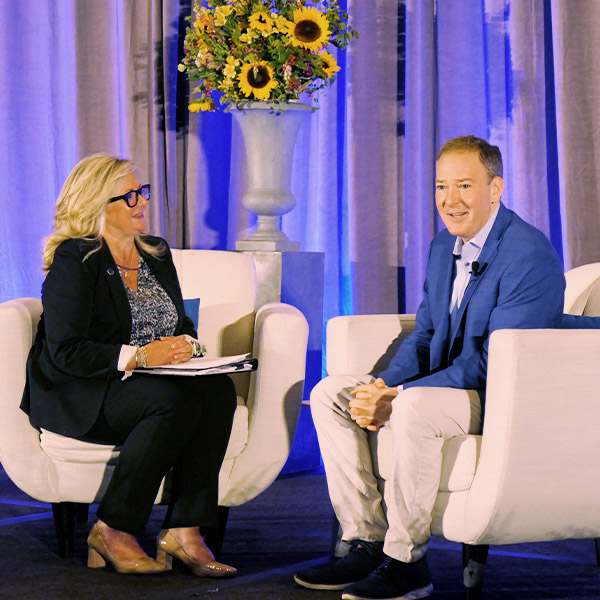
EPA Administrator Lee Zeldin proudly told NARUC attendees the agency’s proposed rescission of the 2009 endangerment finding would be the “largest deregulatory action in the history of the country.”
Want more? Advanced Search