
New England Power Generators Association (NEPGA)

NextEra Energy
FERC approved ISO-NE’s proposal to replace its Forward Capacity Market with a prompt market, cutting the time between auctions and commitment periods from more than three years to about one month.

Granite Shore Power
ISO-NE proposed to reduce its performance payment rate by more than 60% in response to concerns that excessive penalties will have unintended consequences for the capacity market.

© RTO Insider LLC
Conflicting political and market forces have created major uncertainty about what the next wave of generation project will look like in New England.
Hydro-Québec
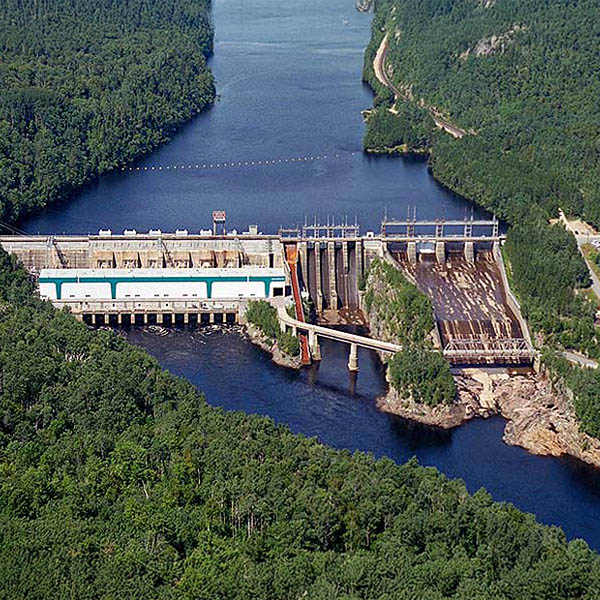
As extreme winter weather descended on the Eastern U.S. and Canada, Hydro-Québec suspended power exports to New England on the New England Clean Energy Connect transmission line because of reliability concerns in Québec.

NextEra Energy
FERC partially granted a complaint by the New England Power Generators Association about the design of ISO-NE's Pay-for-Performance mechanism.
© RTO Insider
Heading into 2026, New England is counting on an increasingly collaborative approach to energy policy as federal opposition to renewable energy development threatens affordability, reliability, and decarbonization objectives in the region.

© RTO Insider
An increasing political anxiety around energy affordability permeated debates about wholesale market changes, federal policy and demand growth at the annual New England Energy Summit.

Granite Shore Power
In New England, increasing winter reliability concerns are driving questions about how long the region’s aging fleet of oil-fired power plants can, or should, remain on the system.
ISO-NE
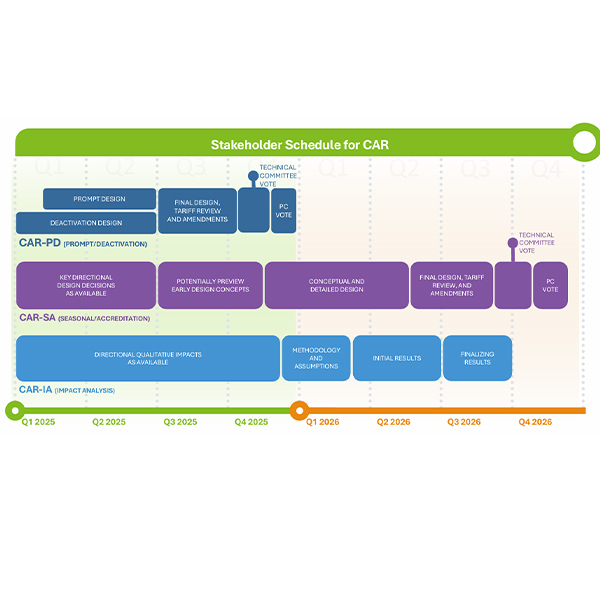
NEPOOL technical committees voted in favor of ISO-NE’s proposal to adopt a prompt capacity auction and update the RTO’s resource retirement process.
ISO-NE
NEPOOL members proposed several amendments to the first phase of ISO-NE’s capacity market overhaul prior to the scheduled Markets Committee vote on ISO-NE’s proposal in November.
Want more? Advanced Search
