PacifiCorp
WRA
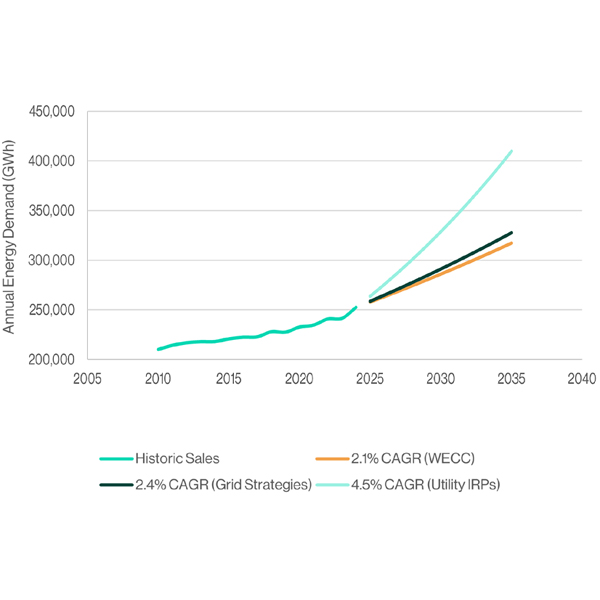
With data centers contributing to surging load growth, a new report suggests that more Western utilities should adopt clean transition tariffs or even make the tariffs mandatory for certain large customers.

Andre m, CC BY-SA 3.0, via Wikimedia Commons
The author behind the bill that would allow CAISO to relinquish market governance to an independent RO has delayed a hearing after several organizations withdrew support for the proposed legislation.
Shutterstock
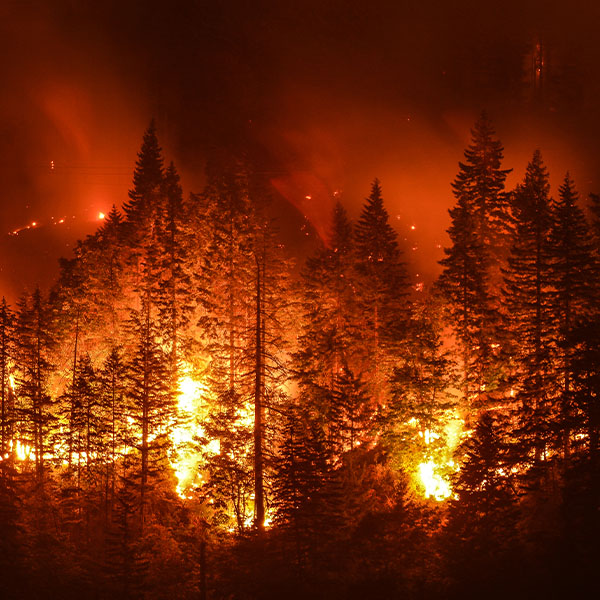
The Oregon Public Utility Commission approved wildfire mitigation plans proposed by the state’s three investor-owned utilities and supported staff recommendations the commission said the utilities should implement.
PacifiCorp
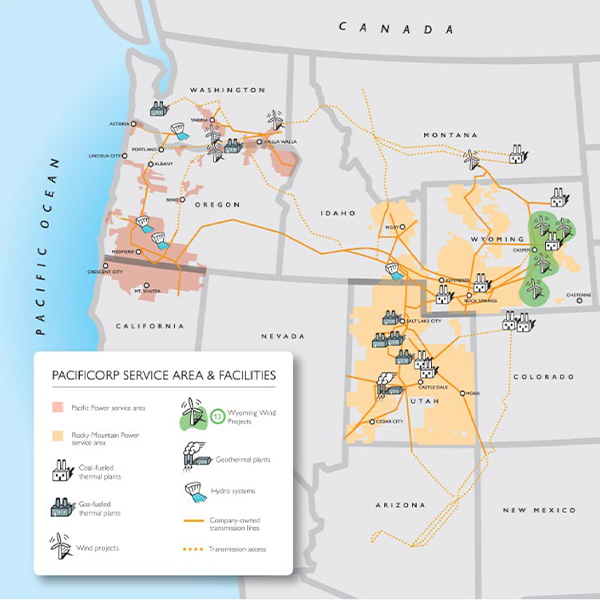
Portland General Electric told Oregon regulators that after decades of electricity flowing from north to south through its system during the summer, the flow on a typical summer day has reversed.

Quanta Infrastructure Solutions Group
CAISO dismissed Powerex’s contention that the ISO only recently has “revealed” that participation in its EDAM is voluntary at the balancing authority level but not voluntary for “individual customers” operating within the BA participating in the market.

Oregon State Archives
The Oregon Senate is set to vote on a bill that aims to mitigate the impact of rising energy costs on consumers by prohibiting residential rate increases during the winter and requiring utilities and regulators to analyze consumer affordability when setting rates.

NW Council
The Northwest Power and Conservation Council hired Peter Cogswell, the former director of intergovernmental affairs at BPA, as its next executive director.
PacifiCorp
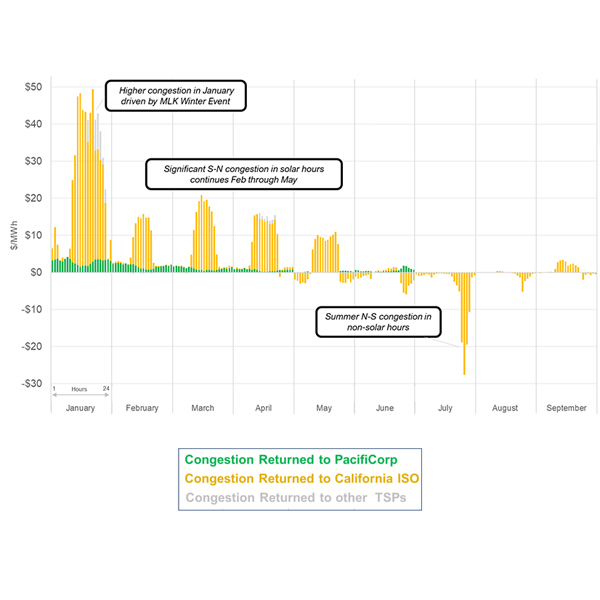
CAISO's Board of Governors and the Western Energy Markets Governing Body approved a new method for allocating certain congestion revenues in the ISO's Extended Day-Ahead Market, set to launch in 2026
© RTO Insider
FERC rejected a request by four Western utilities to rehear its approval of the “transmission contributors” option in the SPP Markets+ tariff but provided the utilities clarification on the boundaries of that provision.
The Imperial Irrigation District
CAISO said the Imperial Irrigation District has signed implementation agreements and will begin participating in the WEIM and EDAM in 2028.
Want more? Advanced Search