
peak load

© RTO Insider LLC
MISO and its Monitor tracked a rise in energy consumption in fall 2025 and reviewed some operational rough patches, while the RTO explained why its machine-learning risk predictor remains a work in progress.
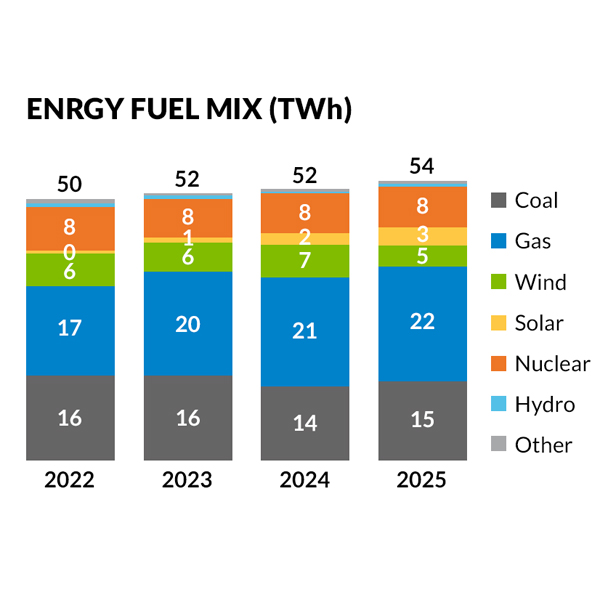
MISO
Year-over-year prices rose in MISO to serve a typical September peak.

Shutterstock
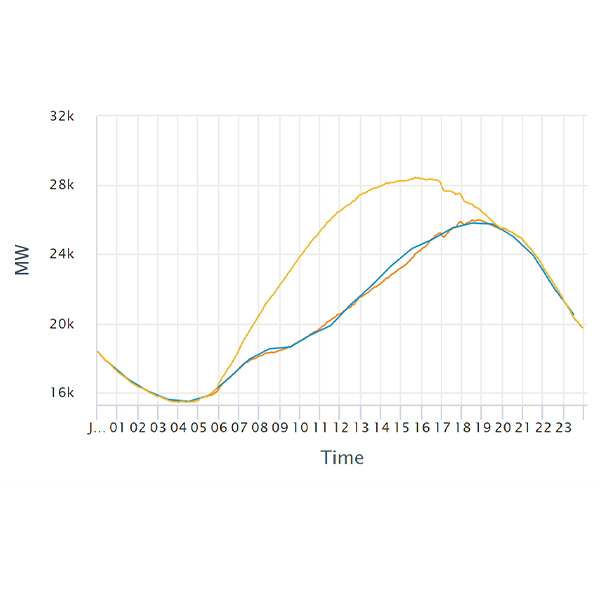
ISO-NE’s capacity deficiency event demonstrated the significant benefits of solar resources, along with their limits in displacing fossil resources during peak load periods.
ISO-NE
ISO-NE declared a capacity deficiency, implemented a Power Caution and took extra actions to maintain grid reliability during what may have been the highest peak load since 2013, driven by extreme heat and humidity.
PJM
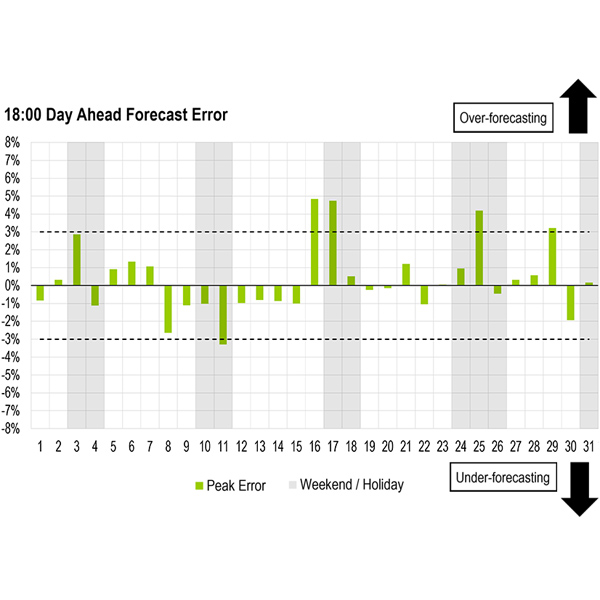
The month of May saw one spin event to PJM, a shared reserve event, three high-system-voltage actions and 24 post-contingency local load relief warnings, according to the RTO’s monthly operating metrics.
PJM
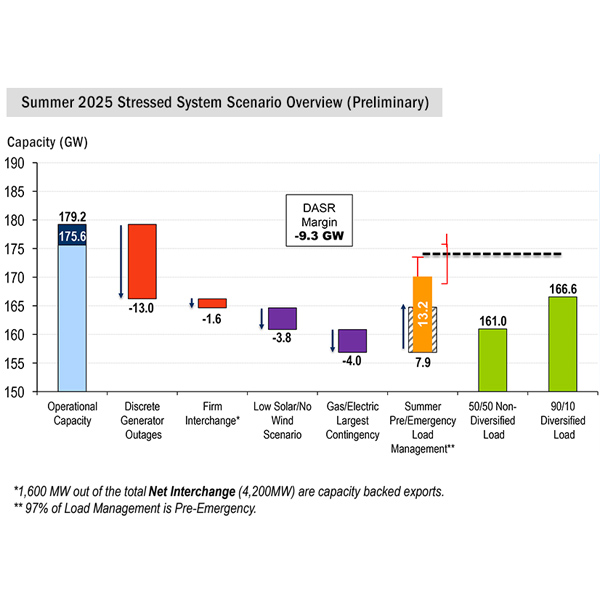
The preliminary results of PJM’s look ahead at the capacity available for this summer and the expected peak loads suggest that about 5.4 GW of demand response could be needed to maintain the 3.5-GW real-time primary reserve requirement.
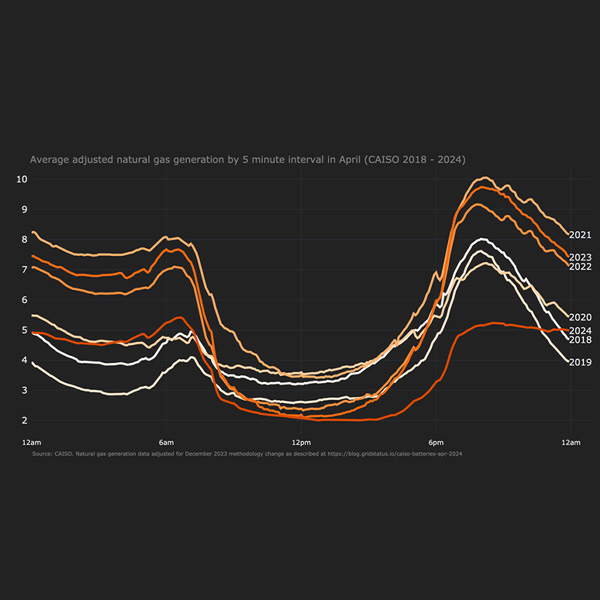
Grid Status
Answering the question isn’t easy, according to CAISO staff and other electric industry experts, who say that while batteries are having a notable impact, several factors complicate the narrative that they’re displacing gas on the grid.
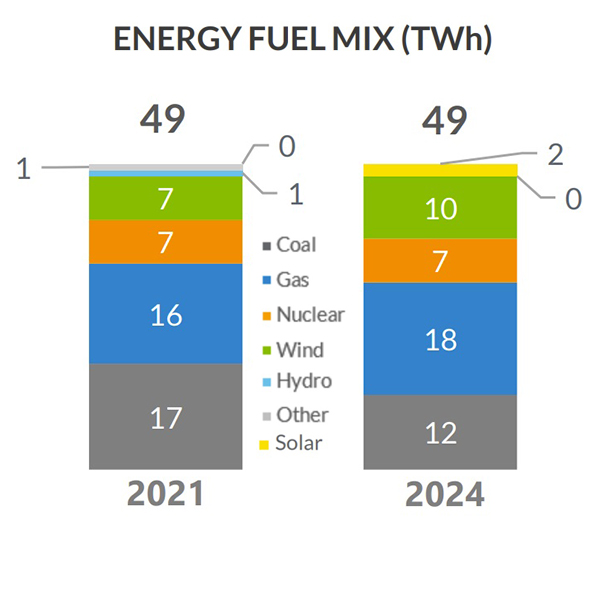
MISO
MISO experienced an October peak load of 84 GW, which was lower than its 99-GW peak during the same period in 2023.
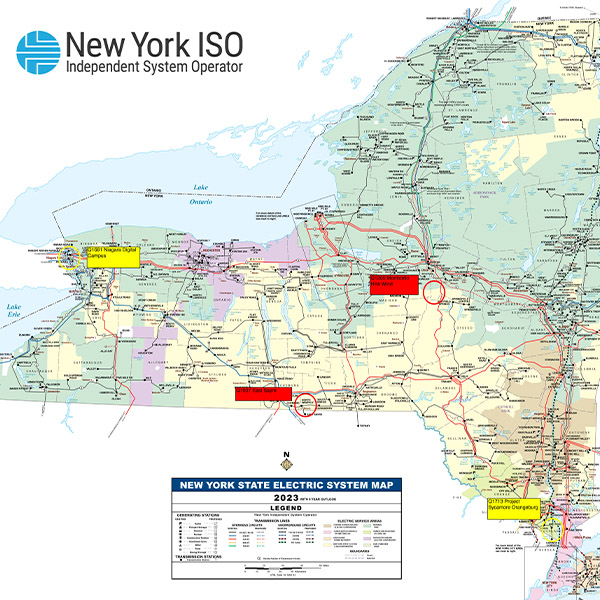
NYISO
The New York Department of Public Service presented a proposal for updating the method by which NYISO determines peak load hours to the ISO’s Installed Capacity Working Group.
Shutterstock
The NEPOOL Participants Committee voted to update the Generation Information System to enable the transfer of hourly certificates, opening the door for the sale of hourly renewable energy credits.
Want more? Advanced Search
