
PJM Interconnection LLC (PJM)
American Clean Power Association
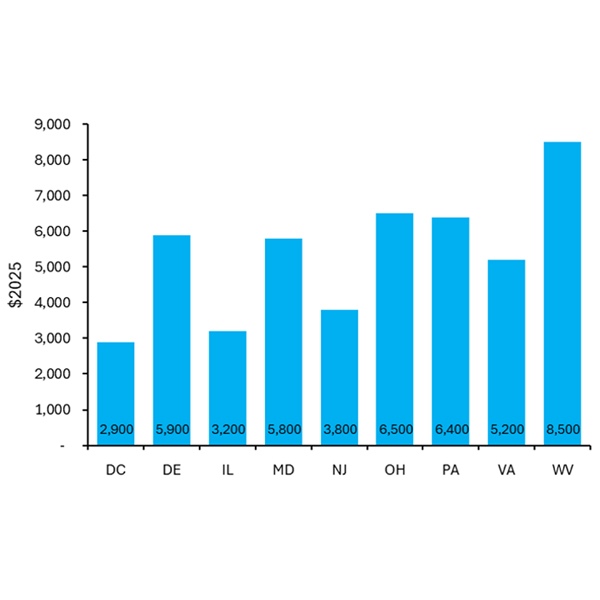
A report from the American Clean Power Association argues that slowing down renewable development in PJM could cost ratepayers $360 billion over the next decade.
PJM
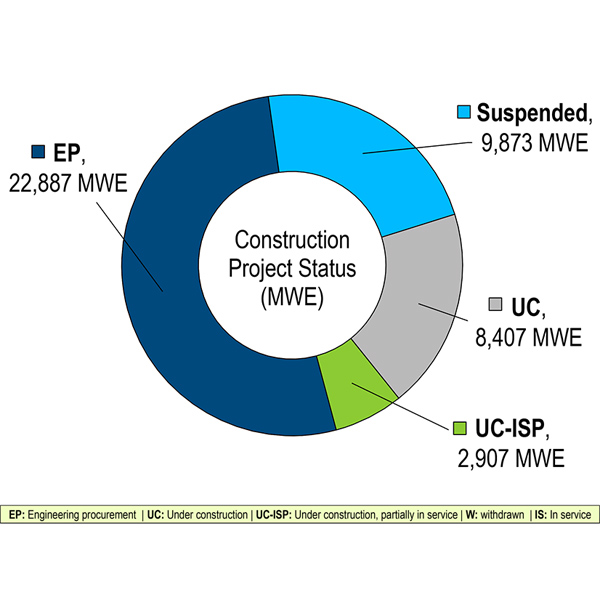
Despite the Trump administration and all 13 PJM governors proposing a host of new initiatives, the RTO falling short of its reliability requirement does not constitute a crisis, writes columnist Steve Huntoon.
PJM
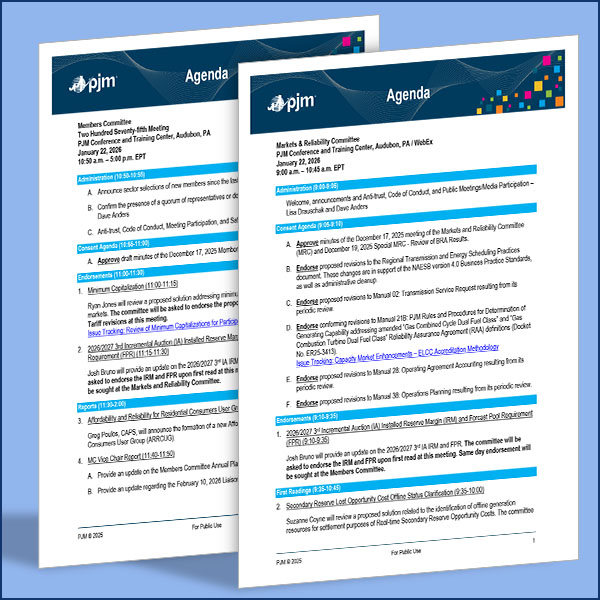
A summary of the agenda items scheduled to be brought to a vote at the PJM Markets and Reliability Committee and Members Committee meetings.

© RTO Insider LLC
The PJM Board of Managers has selected a path forward for addressing a groundswell of large load interconnections expected over the coming decade.
ISO-NE
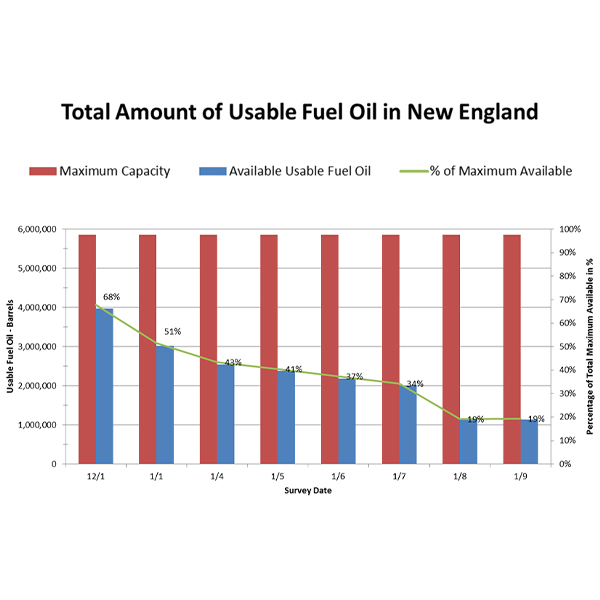
ISO-NE is reforming its approach to acquiring sufficient capacity, which has shaken things up considerably, writes columnist Peter Kelly-Detwiler.
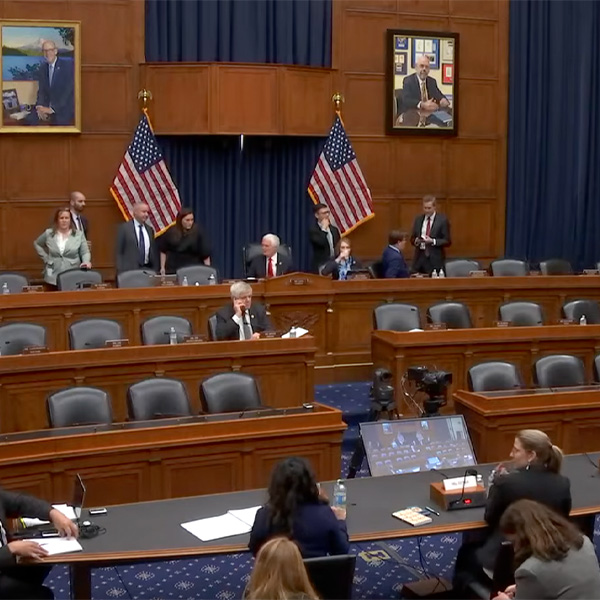
House Committee on Energy and Commerce
Democrats pressed a senior DOE official on recent decisions affecting PJM, including the agency's orders to keep coal plants running, while another agency shut down offshore wind projects nearing completion.
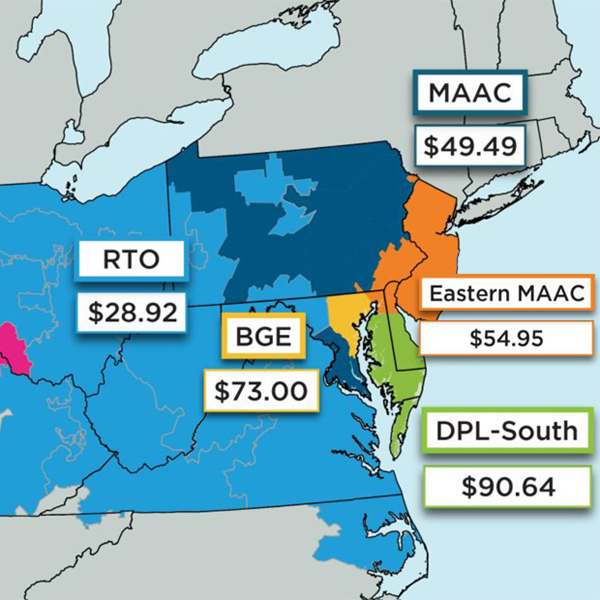
PJM
The D.C. Circuit Court of Appeals has vacated FERC’s decision to order PJM to rerun its 2024/25 capacity auction without a tweak to the parameters for the DPL South zone.
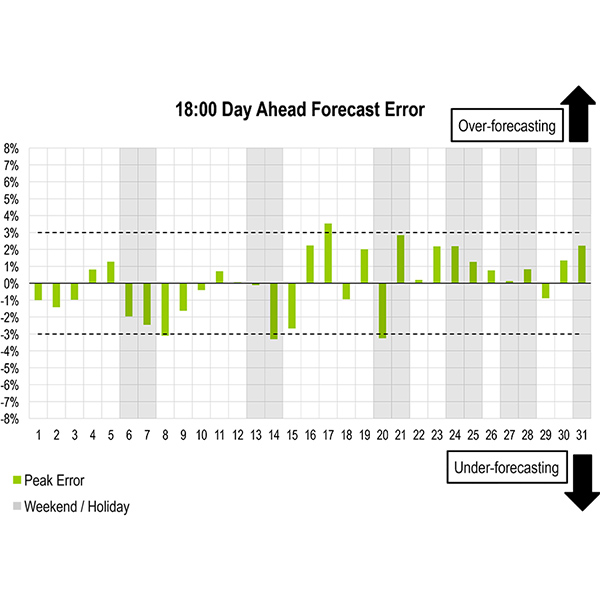
PJM
PJM's Operating Committee delayed a vote on Manual 1 revisions to give more time to review language changes.

© RTO Insider
The Organization of PJM States Inc. presented PJM's Transmission Expansion Advisory Committee with a set of assumptions for the RTO's planning process reflecting state legislation and policies.

© RTO Insider LLC
The PJM Market Implementation Committee endorsed an issue charge to evaluate whether manual revisions are warranted, among other business conducted in the committee's most recent meeting.
Want more? Advanced Search
