PJM Operating Committee

© RTO Insider
The PJM Operating Committee endorsed a set of manual revisions to implement ambient-adjusted line ratings.
PJM
PJM's Operating Committee delayed a vote on Manual 1 revisions to give more time to review language changes.
PJM
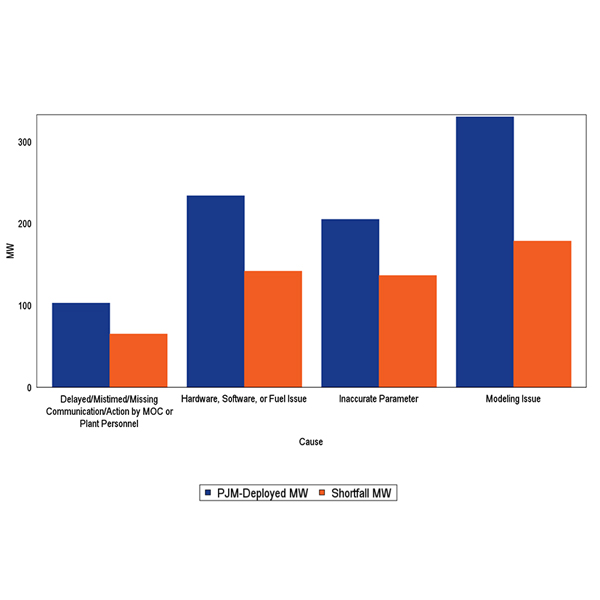
The PJM Independent Market Monitor found that modeling issues were the largest cause of synchronized reserve underperformance during a July 22 spin event, in which about 80% of assigned reserves responded.
PJM
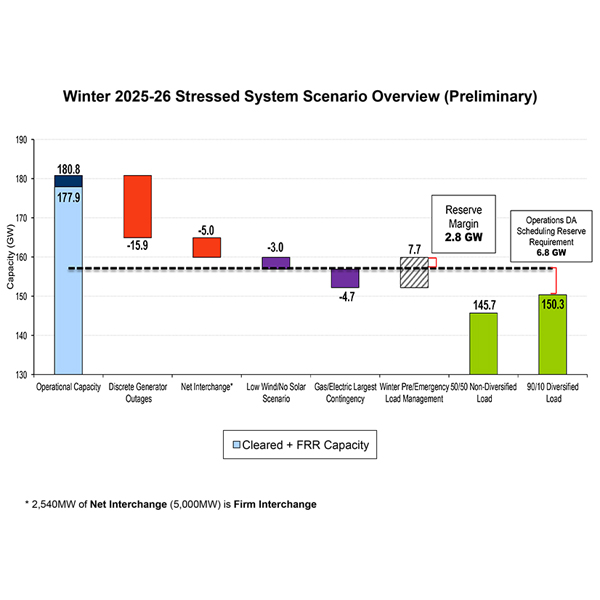
PJM’s winter outlook found the RTO should have enough resources to meet the forecast peak load of 145,700 MW, although the reserve margin continues to decline as new resource development lags.
PJM
Stakeholders in the PJM Operating Committee have endorsed manual revisions reflecting the creation of modeling users forum.
PJM
PJM's Operating Committee heard an update on the Aug. 11 load-shedding event in Baltimore, which brought 20 MW offline for about half an hour following equipment failures at the Brandon Shores substation
© RTO Insider LLC
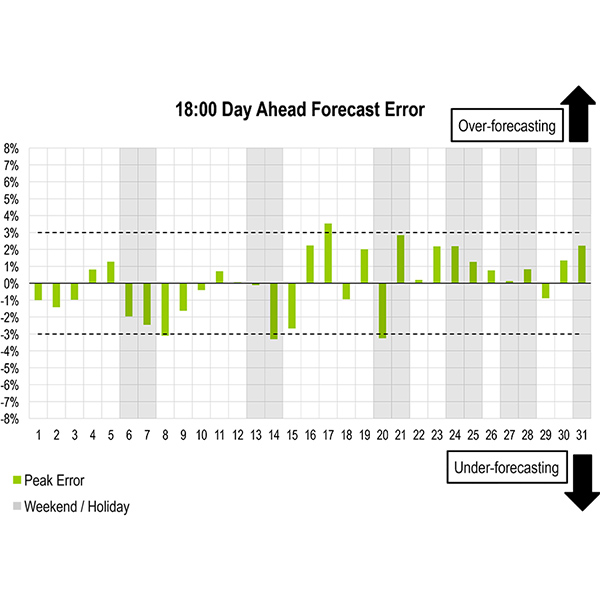
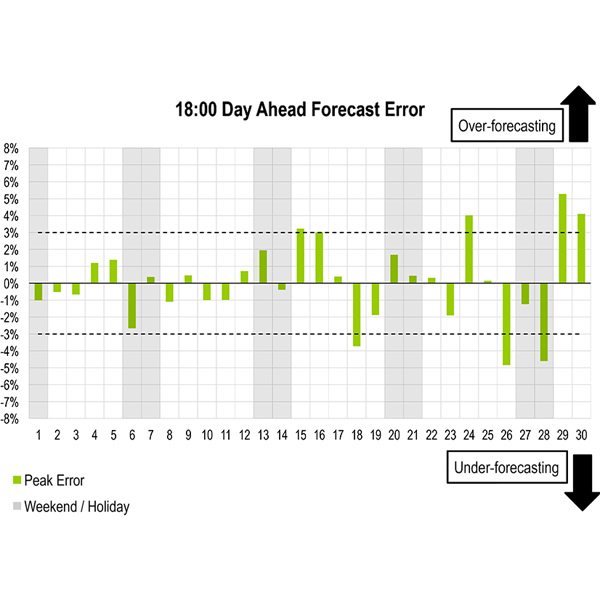
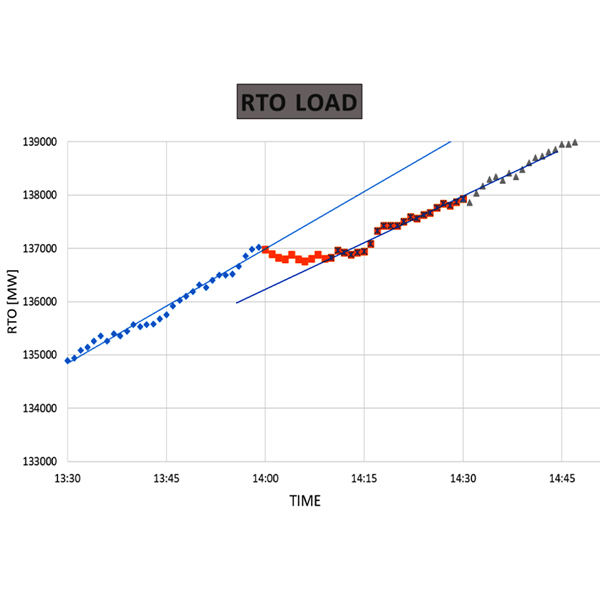
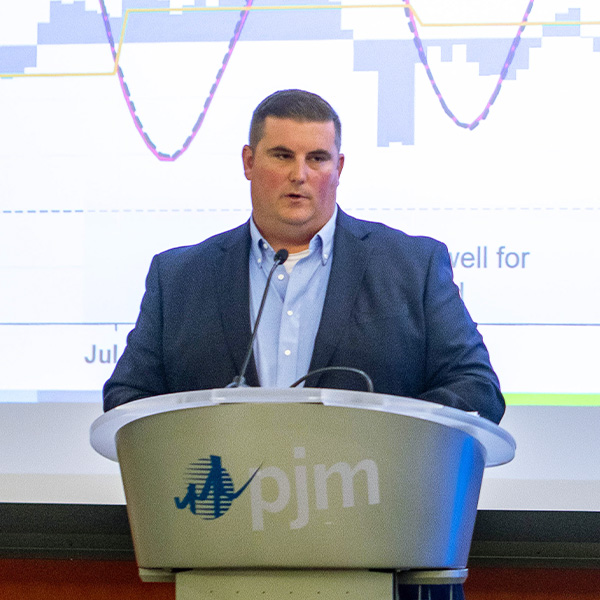
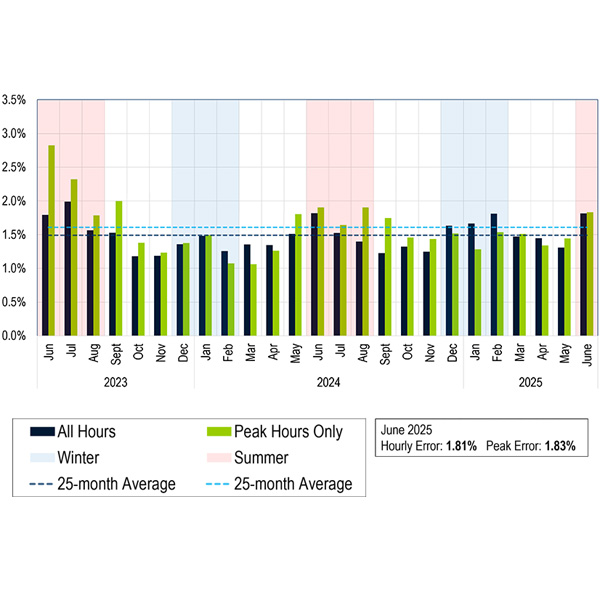
PJM’s Kevin Hatch presented an update on how two heat waves between July 14-17 and 23-30 affected PJM operations, which involved multiple demand response deployments and emergency alerts and advisories.
PJM
PJM presented manual revisions to reflect the generation deactivation process stakeholders approved in January.
PJM
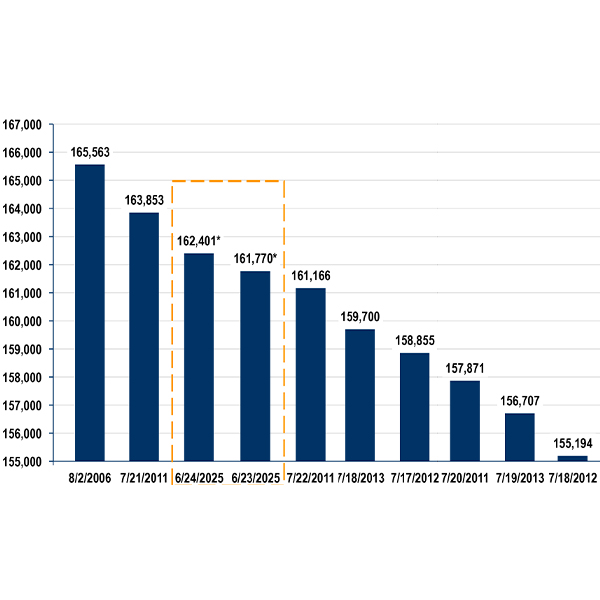
PJM saw its highest peak loads in over a decade during a heat wave that stressed the Mid-Atlantic region from June 22 to 26.
PJM
The Operating Committee endorsed a pair of manual revisions and heard an update on the implementation of PJM’s regulation market redesign.
Want more? Advanced Search