
retail choice
Retail Energy Advancement League
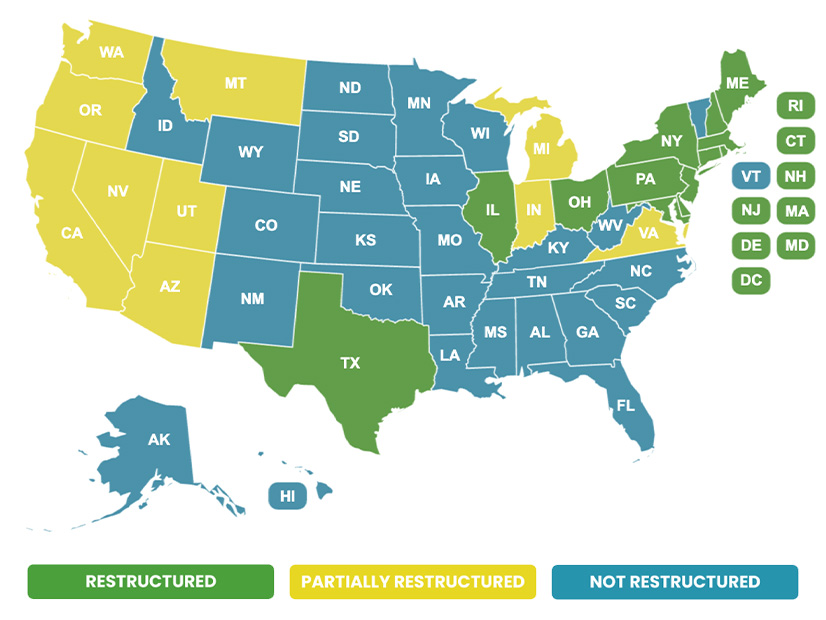
The return of demand growth is something new in the electricity industry, especially as it is being driven by individual consumers whose load can exceed the peak demand of a small state, and it is giving new life to an old argument in state legislatures: restructuring the industry.
R Street Institute
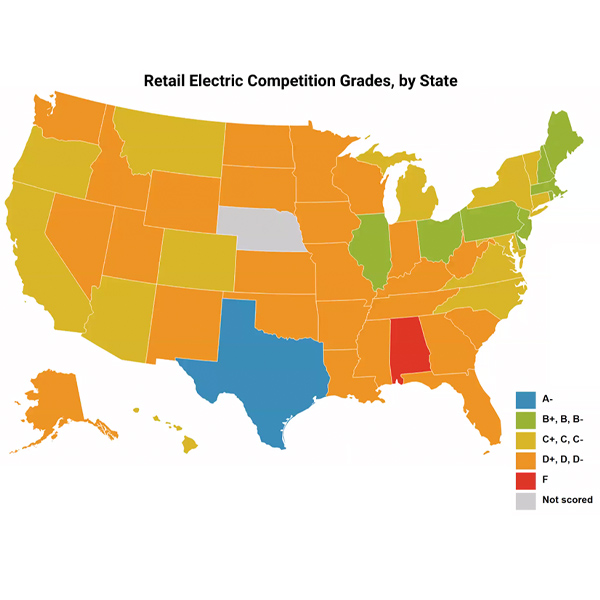
The R Street Institute has ranked the states on their embrace of policies related to competition, which includes retail power markets, RTO membership, smart metering policies and friendliness to distributed resources.

Shutterstock
Massachusetts Gov. Maura Healey has filed a major energy bill that her administration says would save ratepayers $10 billion over the next decade.

Entergy Texas
MISO’s proposal to use a temporary “fast lane” in its interconnection queue to speed up necessary resource additions would give utility-owned generation preferential treatment, according to protesters’ comments filed with FERC.
R Street Institute
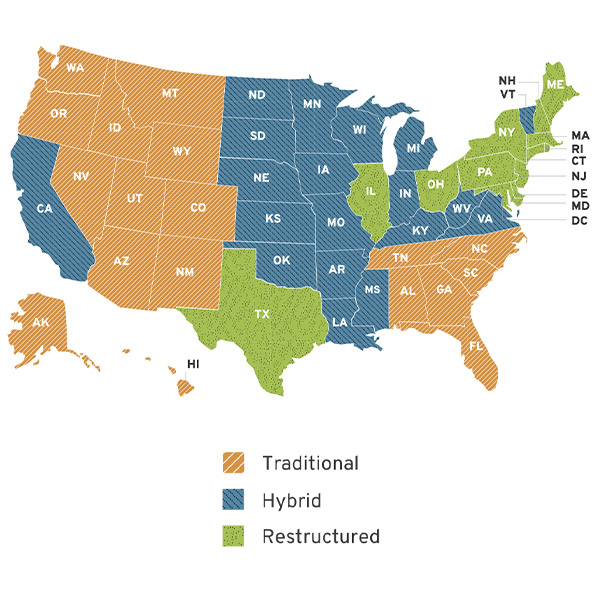
The Energy Choice Coalition hosted a webinar that focused on a recent report from the R Street Institute that examined how restructuring has impacted the electric industry at both the wholesale and retail levels.

City of Lubbock
Texas regulators have approved a settlement that clears the way for Lubbock Power & Light to migrate from SPP into ERCOT and begin offering retail choice.
CPV
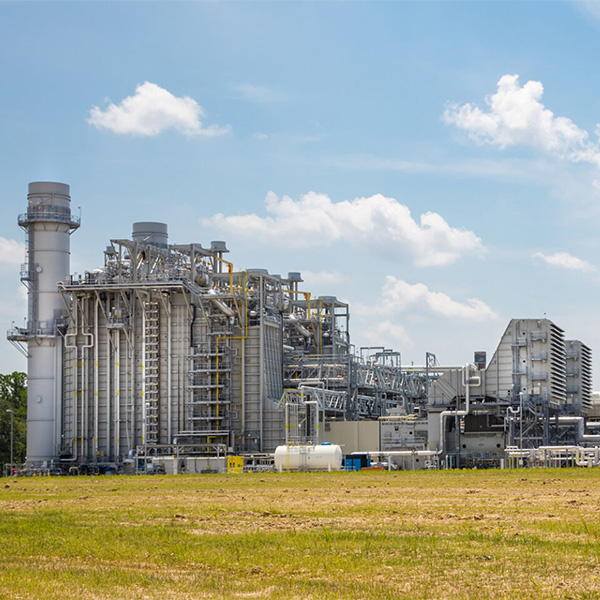
Competitive Power Ventures is launching CPV Retail Energy to sell power from its “low-emitting” combined cycle plants within the PJM grid.
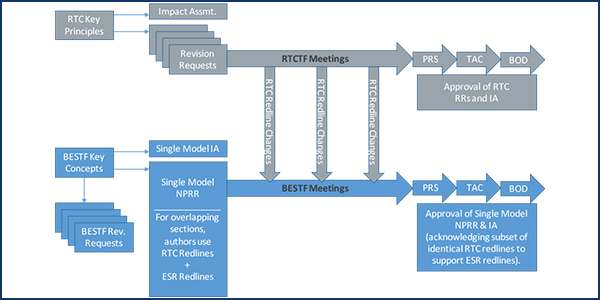
ERCOT task forces working on market improvements and integrating storage brought the final results of their work to the TAC.

The presidential election, energy storage and electrification challenges were on the minds of speakers at Greentech Media's Power and Renewables Summit.
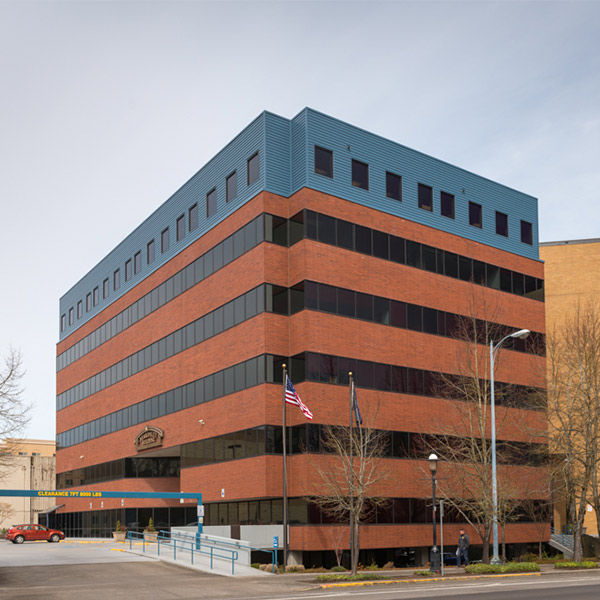
Oregon regulators are grappling with how to modernize the state’s direct access program to accommodate a rapidly changing energy landscape.
Want more? Advanced Search
