
The Brattle Group

Georgia Power
Commercial nuclear energy in the U.S. begins 2026 with strong momentum toward future expansion, but it will be years before new-build capacity comes online and possibly a decade or more before a significant amount of new gigawatts is added to the grid.
GE Vernova
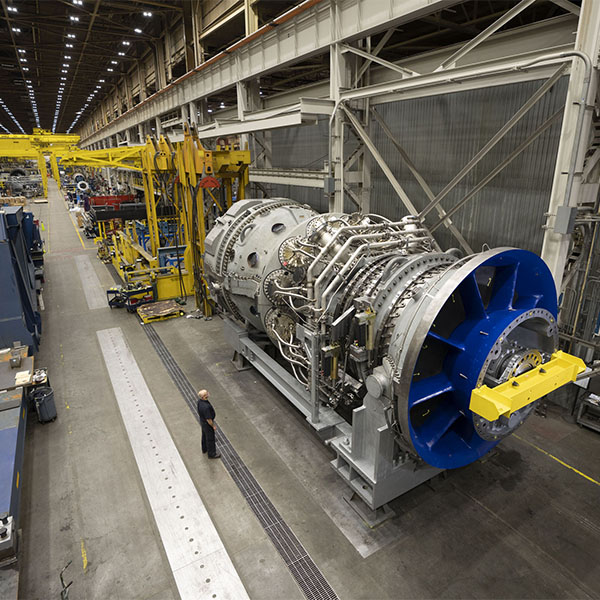
With support from the Trump administration and demand from data centers, 2025 and now 2026 are high times for the U.S. natural gas sector.
Michels Corp.
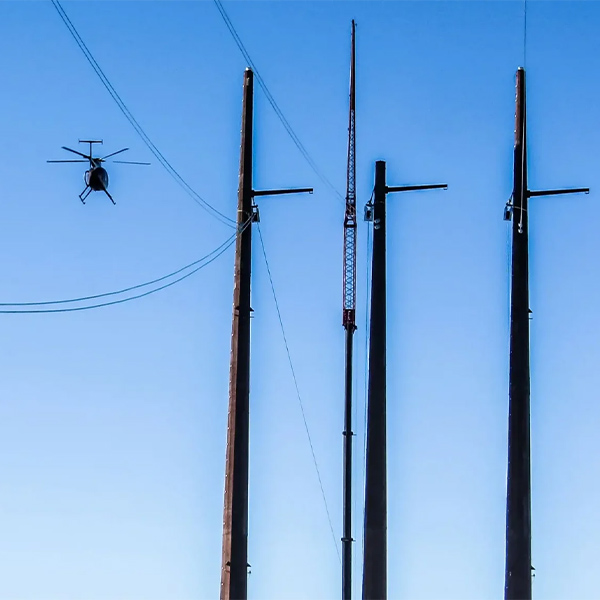
MISO and the Minnesota Department of Commerce said federal funding for the Joint Targeted Interconnection Queue portfolio is still in play, though they didn't offer any additional details.
Fluence
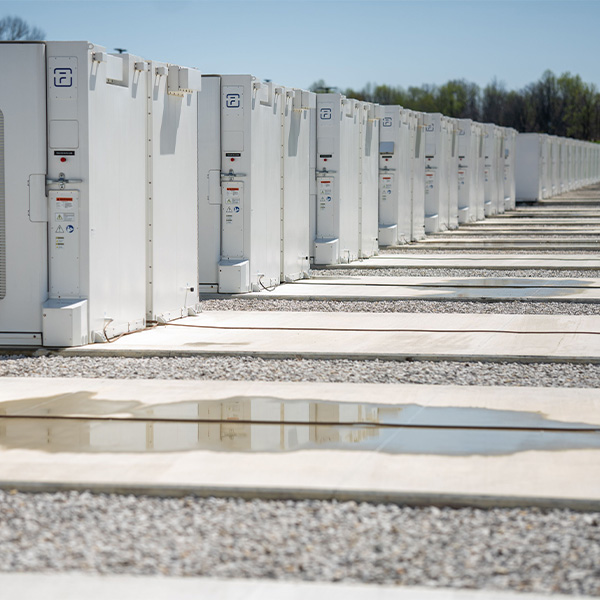
A new white paper from The Brattle Group and cybersecurity firm Dragos is sounding the alarm about the potential cybersecurity vulnerabilities posed by battery energy storage system infrastructure.

© RTO Insider
Attendees at the gridCONNEXT conference, including the acting under secretary of energy and U.S. representatives, debated federal energy policy.
Shutterstock
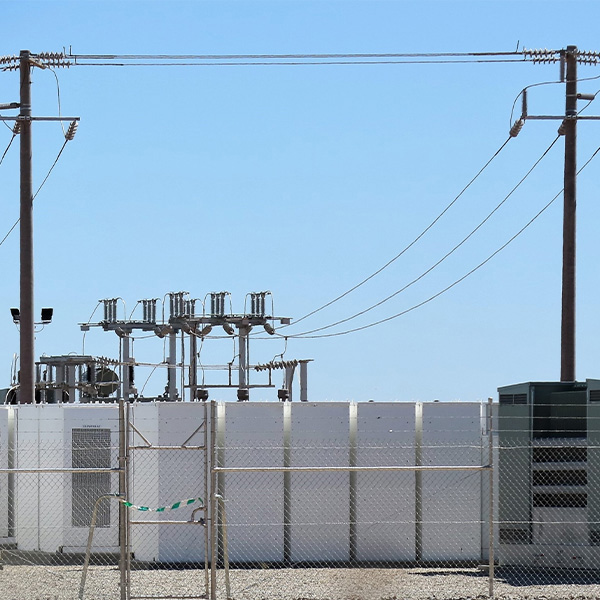
For the first time in PJM history, the market signal for flexible capability such as battery storage is strong, consistent and grounded in clear system need, says Ali Karimian of GridBeyond.
Power Advisory
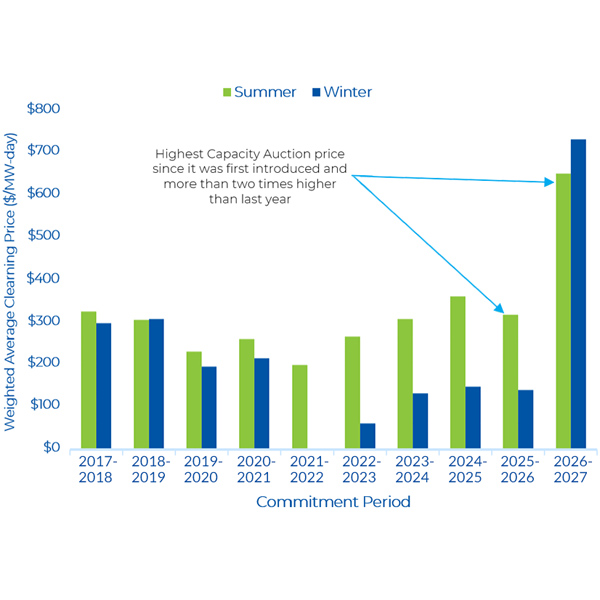
IESO says record-high clearing prices in its capacity auction will have little impact on ratepayers because the ISO's medium- and long-term procurements play a larger role in the region’s resource adequacy.

Brattle Group
A new Brattle Group study examined the impact on planning reserve margins of an alternative Western resource adequacy program that includes expected participants in CAISO’s Extended Day-Ahead Market.
NRDC
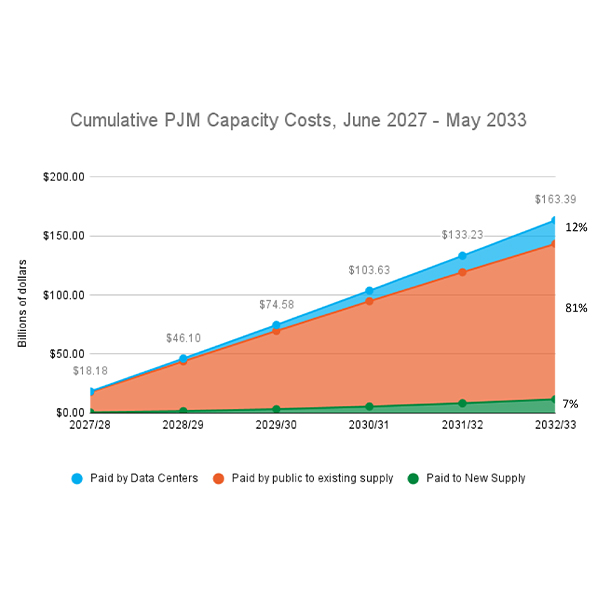
Several stakeholders presented proposals for how PJM could address accelerating load growth as the Critical Issue Fast Path process on large load growth wraps up its second phase.
Constellation Energy
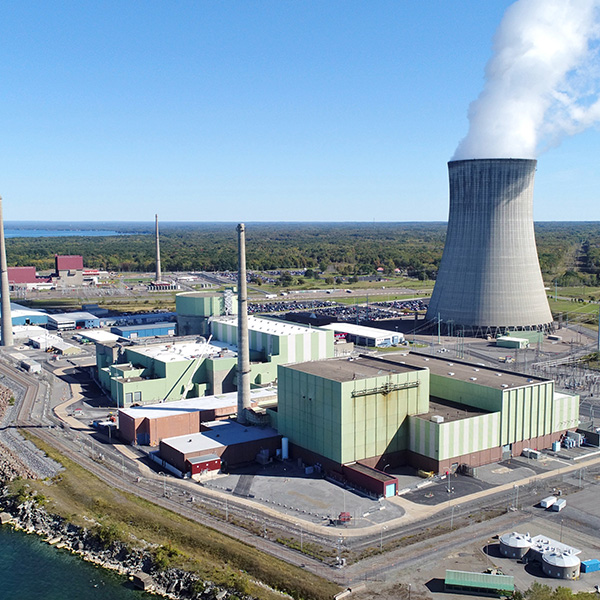
A new report estimates keeping New York’s aging commercial nuclear reactors running through 2050 would result in $50 billion in energy savings.
Want more? Advanced Search
