
transmission planning

© RTO Insider LLC
Some of the Bonneville Power Administration’s proposals aimed at resuming transmission planning processes risk pushing study timelines to the point where the agency’s customers could run afoul of clean energy targets in Washington and Oregon, stakeholders say.
ISO-NE
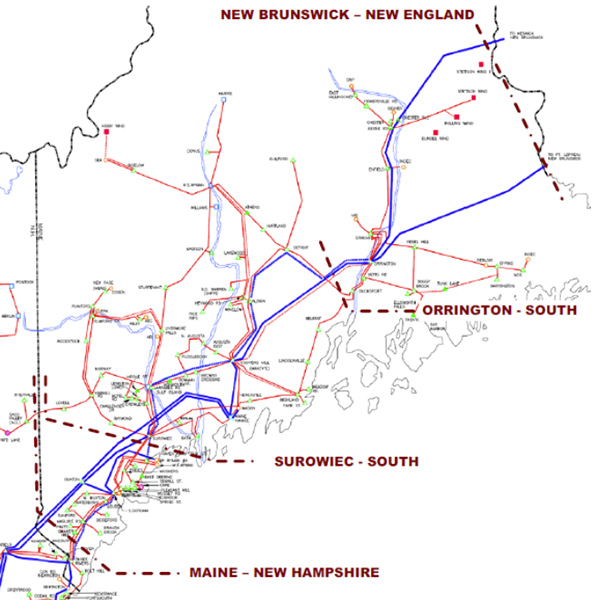
ISO-NE published a summary of proposals submitted for its first longer-term transmission planning procurement, which is aimed at reducing transmission constraints.
AdminMonitor
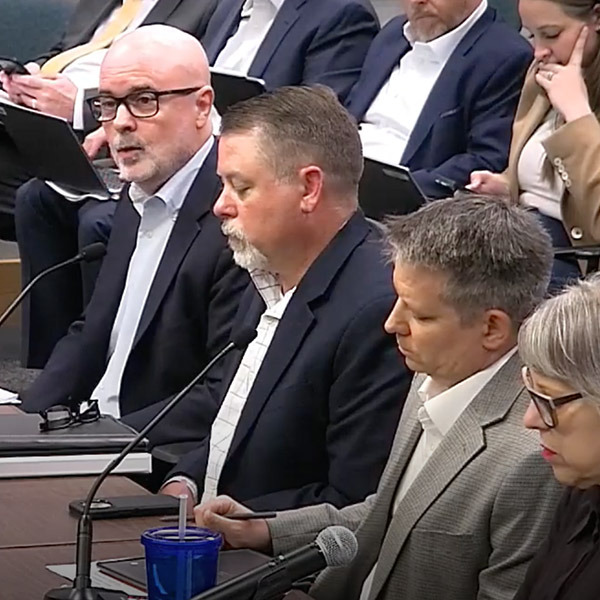
Texas regulators proposed new rules on large load forecasting criteria and net metering following the state’s recent biennial legislative session and opened them up to public comment.
SPP
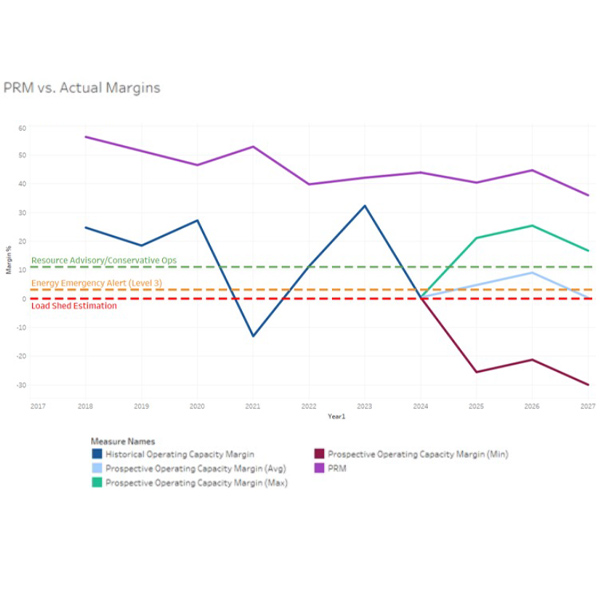
FERC has approved SPP’s tariff revision that establishes separate planning reserve margins for the summer and winter seasons, saying it will provide “more granularity” by recognizing the reliability differences between the two seasons.
Admin Monitor
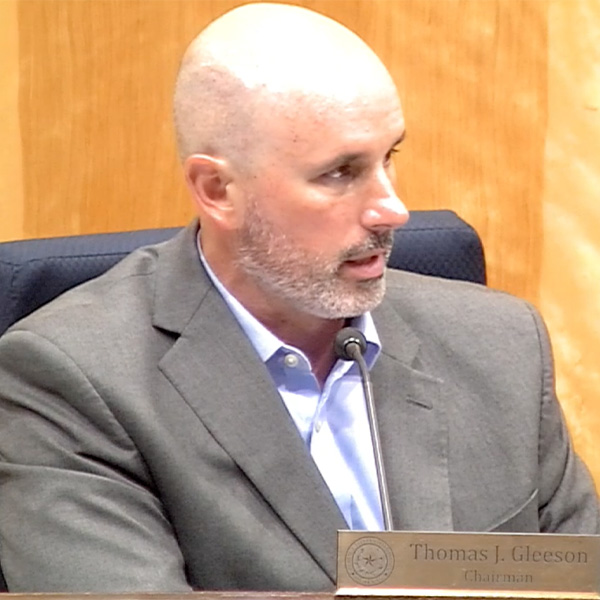
Texas regulators have declined ERCOT’s request for an exemption from including certain loads without interconnection agreements in its forecasts until the grid operator fine tunes its methodology.
© RTO Insider
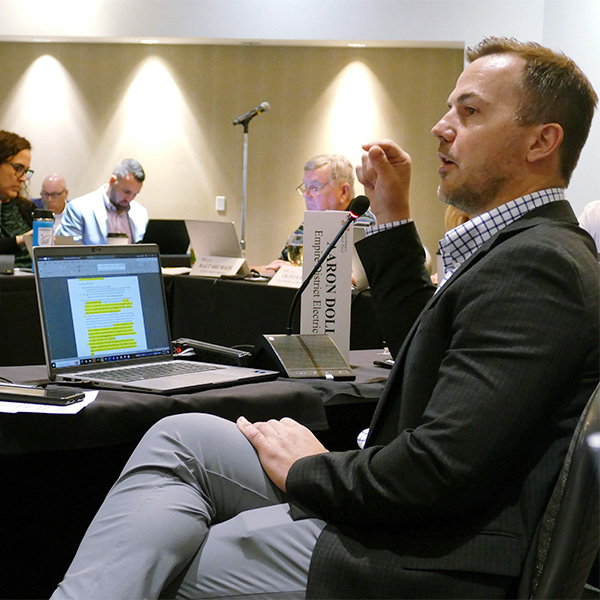
SPP stakeholders approved a tariff revision that creates a one-time study outside the grid operator’s normal planning process, helping load-responsible entities meet their resource adequacy requirement.
ERCOT
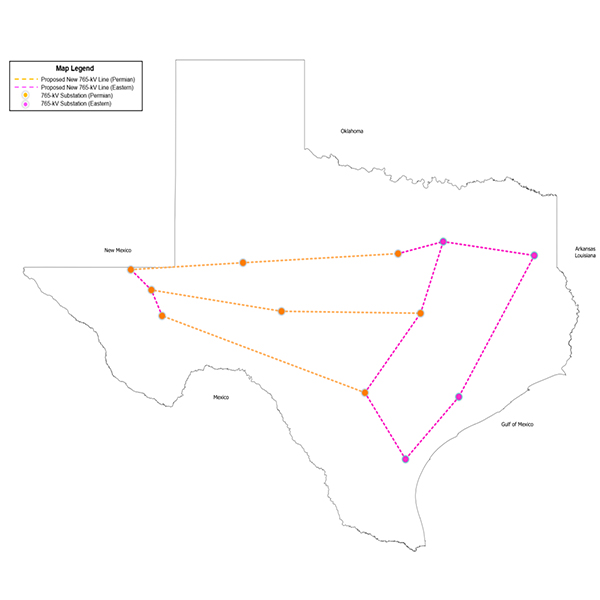
The drive to build 765-kV lines in Texas continues to inch forward, with ERCOT and stakeholders working to provide enough information for regulators to reach a decision by May 1 on which voltage level would best meet demand.
ISO-NE
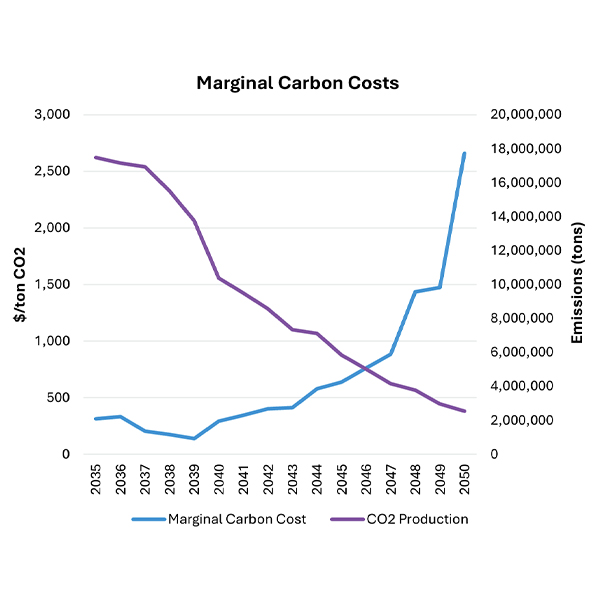
ISO-NE has outlined the transmission and economic models it plans to use to evaluate proposals submitted for the longer-term transmission planning process.
ERCOT
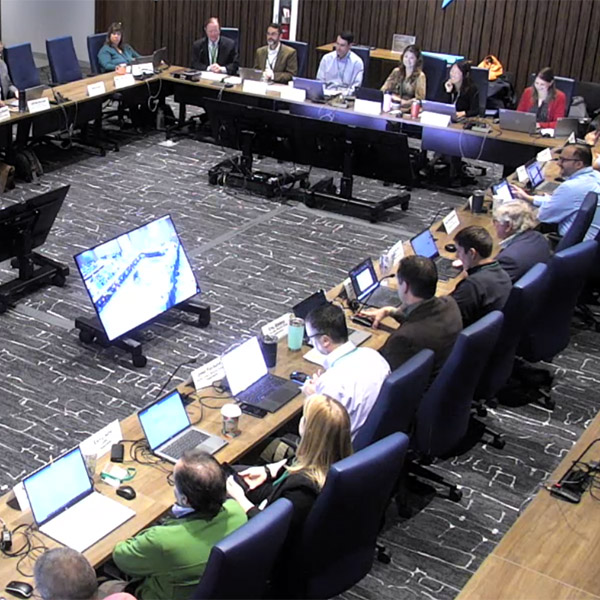
ERCOT stakeholders have approved a pair of protocol changes related to transmission planning as the Texas grid operator continues to grapple with connecting incoming load to its system.
© RTO Insider LLC
SPP’s Board of Directors approved the grid operator’s “historic” $7.65 billion package of transmission projects, but delayed a decision on a need date for two of the projects after stakeholders pushed back on staff’s staging recommendations.
Want more? Advanced Search
